


Cable Microphone Buying guide
Cable Microphone: A Complete Buyer's Guide
Shopping for a cable microphone? Understand specifications, microphone types, impedance, and what to check before buying one that suits your application.
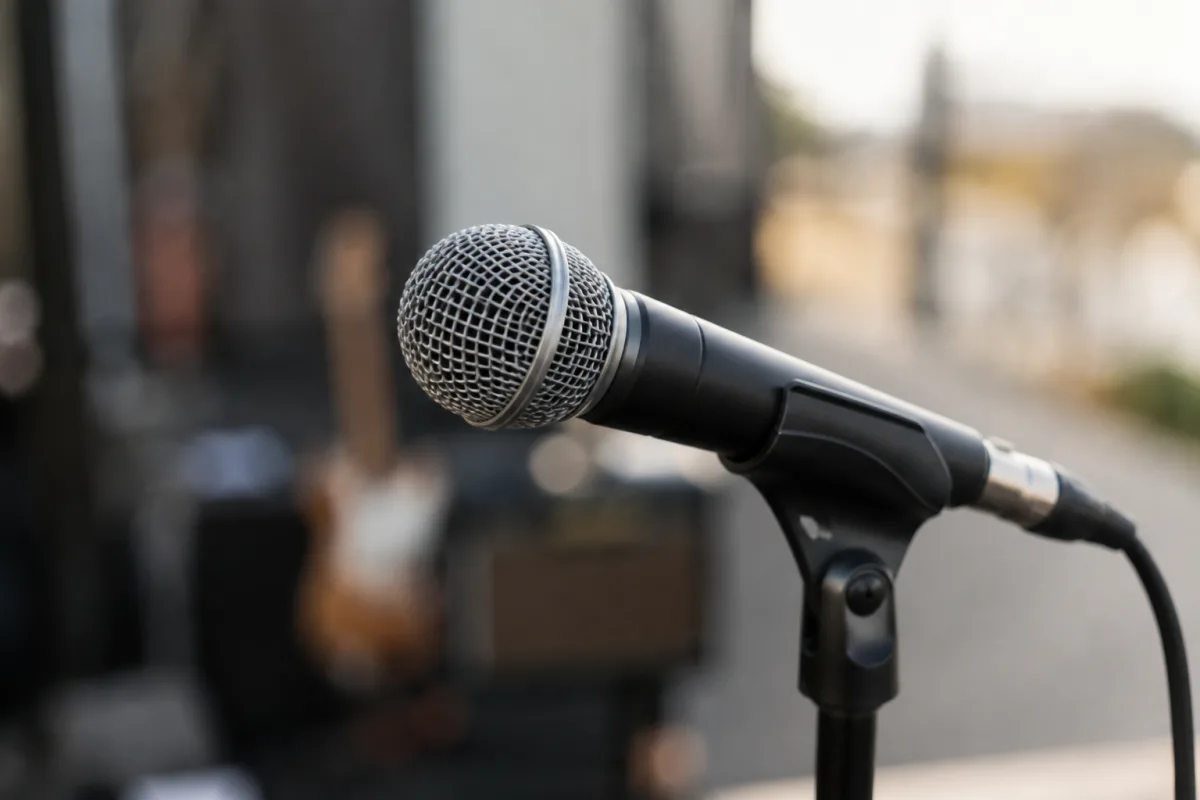
A cable microphone—often called a wired or corded microphone—remains one of the most reliable choices for live performance, karaoke, presentation, and studio work. Unlike wireless systems with their complexity and battery concerns, cable microphones deliver consistent performance with minimal fuss. If you're considering purchasing one, understanding the key specifications and practical factors will help you select a microphone that delivers genuine value and suits your specific use. This guide focuses on what actually matters when you're shopping.
Microphone Type: Your First Decision Point
Cable microphones come in two primary configurations, and your choice depends entirely on how you'll use it:
- Dynamic Microphones: Built tough for live performance. They're less sensitive to ambient noise, handle high sound pressure levels brilliantly, and are nearly impossible to damage through normal use. Shure SM58 and SM57 are industry standards. These typically cost £40–£150 and are ideal for vocals, instruments, and any scenario where durability matters more than sensitivity.
- Condenser Microphones: More sensitive and detailed, capturing nuance exceptionally well. They require phantom power (usually supplied by an amplifier or mixing console). Condensers excel in studios and quieter environments but are more delicate and less forgiving of rough handling. Expect to spend £60–£300+ for quality. Great for acoustic instruments, podcasting, and studio vocals.
For most buyers considering a cable microphone for the first time, a dynamic model offers better all-purpose performance and greater resilience.
Essential Specifications to Understand
When browsing cable microphones, these specifications genuinely affect your experience:
Frequency Response Range
This describes which frequencies the microphone captures most effectively. A range of 50Hz–15kHz is standard for vocals. Wider ranges (20Hz–20kHz) capture more detail but aren't always necessary. Narrower ranges (100Hz–10kHz) are perfectly adequate for speech and dialogue. Check whether the frequency response suits your intended use—a vocal microphone needn't capture the full spectrum a studio condenser might.
Impedance
Cable microphones are typically either low-impedance (Lo-Z, usually 50–70 ohms) or high-impedance (Hi-Z, around 10kΩ). Low-impedance microphones send signals reliably over longer cable runs—essential for live performance. High-impedance models require shorter cables but are sometimes found in budget or vintage units. Always check that your microphone's impedance matches your amplifier or mixing console's microphone input. Most live-performance setups use low-impedance microphones.
Sensitivity and Output Level
Sensitivity tells you how much electrical signal the microphone produces for a given sound pressure. A more sensitive microphone might pick up subtle details, but it can also capture unwanted background noise more readily. For live vocals, moderate sensitivity (around -35 to -40 dBV/Pa) is typically ideal. Check your amplifier's input specs to ensure they're compatible.
Polar Pattern
This describes which directions the microphone listens most effectively. Cardioid (heart-shaped pattern) is standard for vocals and stage work—it accepts sound primarily from the front and rejects side and rear sounds. Omnidirectional patterns accept sound equally from all directions. For live performance, cardioid is nearly always the correct choice. It minimises feedback and stage noise.
Cable Length and Connector Type: Practical Considerations
Cable microphones arrive with integrated XLR connectors (the three-pin industry standard). Cable length typically ranges from 4.5 metres to 10 metres. Consider:
- Shorter Cables (4.5m–6m): Easier to manage and less prone to damage. Adequate for home studios, small venues, and intimate performances.
- Longer Cables (7m–10m): Necessary for larger stages, conference setups, or when your amplifier is positioned far from where you'll stand. Longer cables can introduce slightly more noise if they're low-quality, so invest in properly shielded cables for longer runs.
Always verify that your cable terminates in an XLR connector compatible with your intended equipment. Older or specialised equipment occasionally uses different connectors, so double-check before purchasing.
Build Quality: What Separates Good from Disappointing
A cable microphone's construction determines its longevity. Here's what to assess:
- Mesh Grille: Inspect the protective grille covering the capsule. It should be firmly attached without rattles. Loose grilles rattle when the microphone is tapped, indicating poor assembly.
- Connector Assembly: Wiggle the XLR connector gently. There should be no movement. Loose connectors cause intermittent signal loss—annoying and unreliable. The connector should feel precisely fitted.
- Cable Shielding: Run your fingers along the cable. Good cables feel uniformly constructed without thin spots. Flex the cable gently near the microphone body—cheap cables sometimes crack internally in this stress point, compromising shielding and introducing noise.
- Weight and Balance: A quality microphone feels substantial without being awkward. It should balance naturally in your hand, making extended use comfortable.
Comparing Price Tiers: Value Across the Range
Budget Tier (£20–£50): Entry-level cable microphones often have adequate dynamic capsules and basic construction. They work, but build quality is inconsistent, and cable shielding can be questionable. These are acceptable for casual karaoke or occasional speech, but may disappoint in regular use.
Mid-Range Tier (£50–£150): This is where genuine value lives. Shure SM58 and similar models in this range offer professional build quality, proven capsules, and reliable performance. They'll outlast your equipment and handle heavy use. Most serious performers and studios choose from this tier.
Premium Tier (£150–£400+): High-end condenser microphones and specialty dynamic models offer exceptional detail and tailored frequency responses. These are investments for professionals recording albums, running studios, or performing in critical applications. They're not necessary for most buyers but offer tangible sonic improvements if you need them.
Determining Your Actual Needs
For Vocal Performance: A cardioid dynamic microphone (Shure SM58 or equivalent) is the standard choice. Budget £80–£120 for a reliable unit. You won't need anything more sophisticated, and this choice will serve years of performances.
For Instrument Amplification: Instrument-specific microphones (like the Shure SM57) are tailored for guitar amps, drums, and other sources. They're designed to handle high sound pressure levels and coloured frequency responses that suit instruments. Expect similar pricing to vocal models.
For Studio Recording: A small-diaphragm condenser or large-diaphragm condenser gives you the sensitivity and detail essential for close-miking vocals and instruments. Budget £100–£250 for genuine studio quality. You'll also need phantom power from your mixing console or audio interface.
For Presentations or Podcast Recording: A standard cardioid dynamic microphone is adequate, though some buyers prefer the presence peak in a cardioid condenser. Either works; dynamic microphones are cheaper and more rugged if you'll be handling them frequently.
Common Pitfalls When Buying a Cable Microphone
- Mistaking Sensitivity for Quality: A more sensitive microphone isn't automatically better—it depends on your application. Moderate sensitivity with excellent noise rejection often outperforms ultra-sensitive models in live settings.
- Ignoring Impedance Mismatch: A brilliant microphone connected to mismatched equipment sounds poor. Always verify impedance compatibility.
- Choosing Purely on Brand Reputation: Whilst established brands like Shure are reliable, excellent microphones exist at lower price points. However, unknown brands sometimes cut corners on shielding. Buy from reputable retailers with return policies.
- Underestimating Cable Quality: The cable affects your sound as much as the capsule. Cheap cables with poor shielding introduce hum and noise. The microphone is only as good as its cable.
- Assuming All Dynamic Microphones Sound Identical: They don't. A cardioid dynamic designed for vocals has a very different frequency response than one designed for instruments. Read the specifications and listen to samples before deciding.
Making Your Purchase Decision
When you're ready to buy, prioritise these factors in this order:
- Does it match your intended application (vocals, instruments, presentation)?
- Is the impedance compatible with your equipment?
- Is the connector type correct?
- Does the build quality feel solid?
- Is the cable long enough for your venue or setup?
If a cable microphone ticks all five boxes, you've found a winner. If you're uncertain about any aspect, ask the retailer or check user reviews from people using it in your intended application.
For a comprehensive exploration of cable microphones—including microphone techniques, acoustic considerations, and how they fit into larger recording and performance setups—the complete guide to cable microphones covers advanced territory and applications.
Your Path Forward
Choosing a cable microphone needn't be overwhelming. Match the microphone type and specifications to your application, verify compatibility with your equipment, and assess build quality. You'll end up with a reliable tool that serves you well whether you're performing, recording, or presenting. Invest thoughtfully at the mid-range level, and you'll have equipment that justifies that investment for years.


Comments