


Behringer Microphone Buying guide
Behringer Microphone: A Complete Buyer's Guide
Not all Behringer microphones are created equal. This buying guide covers specs that matter, price tiers, common mistakes, and how to choose the right Behringer microphone for your needs.
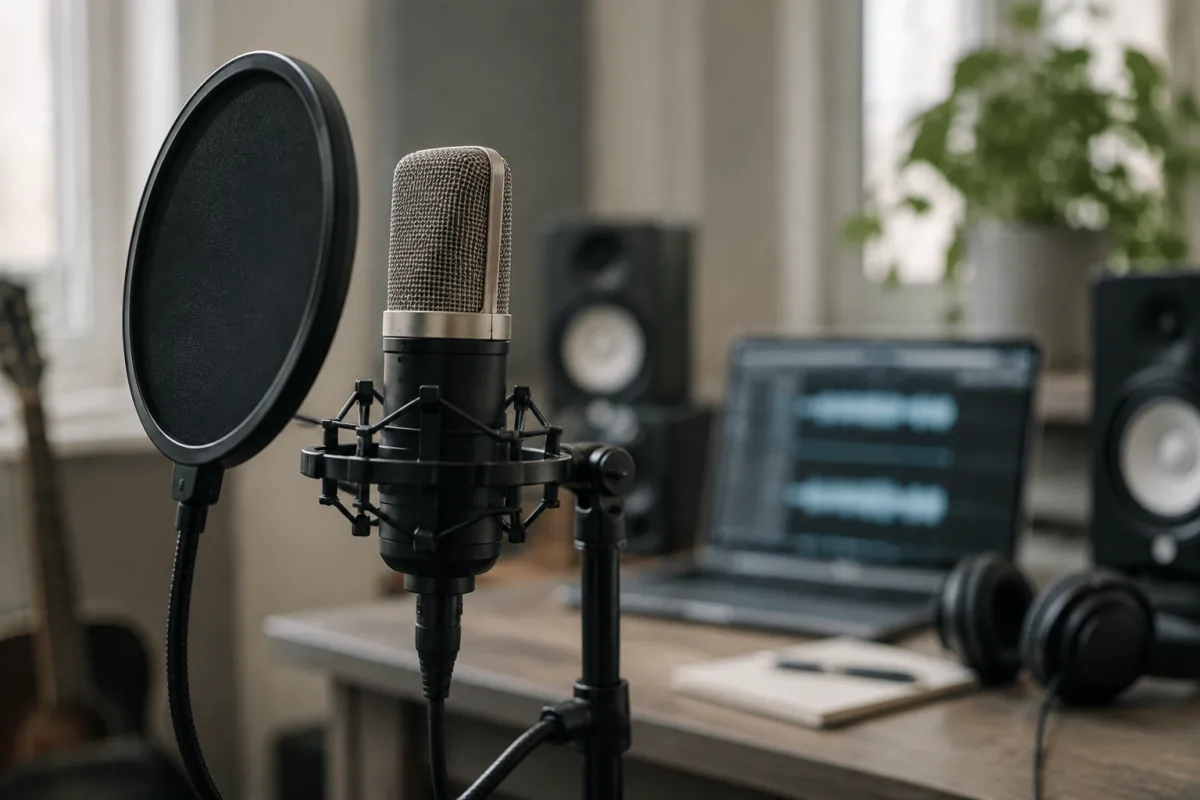
If you're shopping for a studio microphone on a budget, you've likely encountered Behringer microphones. Behringer has become synonymous with affordable audio gear, and their microphone range spans entry-level USB mics to studio-quality condensers at accessible prices. However, choosing the right Behringer microphone requires understanding what matters: which specifications actually impact your recordings, what pitfalls to watch for, and which price tier offers the best value for your specific application. This guide cuts through the marketing to help you make an informed purchase decision.
Understanding Behringer's Microphone Range
Behringer produces several categories of microphones, each suited to different budgets and applications. Understanding this range is your first step toward choosing the right Behringer microphone for your needs:
- Ultra-budget USB mics (£15–£40): Plug-and-play microphones for streaming, podcasting, or casual recording. Behringer microphones in this range are convenient but compromised in sound quality. Acceptable for learning, not for professional recording.
- Budget condensers (£50–£100): Desktop or stand-mounted condensers without USB, requiring an audio interface. This is where Behringer microphones start offering genuine value. Sound quality improves markedly in this tier.
- Mid-range studio mics (£100–£250): Serious studio microphones that rival brands costing double. Many Behringer microphones here are solid workhorses suitable for professional recording and podcasting.
- Premium Behringer options (£250+): High-end microphones with specialty applications. Fewer Behringer microphones exist here, but those that do are surprisingly competitive against premium brands.
Key Specifications That Matter When Buying Behringer Microphones
Not all specifications deserve equal weight. Here's what actually matters when evaluating a Behringer microphone:
- Polar pattern: Cardioid captures sound primarily from the front, rejecting side and rear. Omnidirectional captures equally from all directions. For studio recording, a cardioid Behringer microphone is almost always the right choice. Check whether the pattern is fixed or switchable.
- Frequency response: The range of frequencies the microphone captures. A frequency response of 20Hz–20kHz covers human hearing entirely. Be sceptical of Behringer microphones claiming extended lows or highs—it often means exaggerated presence, not quality.
- Sensitivity and self-noise: Sensitivity measures how much electrical output the microphone produces from a given sound level. Self-noise—the background hiss—matters more than raw sensitivity. Look for Behringer microphones with self-noise below 15 dB-A for studio use.
- Connectors and impedance: Professional Behringer microphones use XLR connectors (three-pin). Impedance of 200–300 ohms is standard. USB-only Behringer microphones limit your flexibility to interfaces and preamps you choose later.
- Diaphragm material: Most Behringer studio microphones use condenser or dynamic designs. Condenser microphones are more sensitive and detailed; dynamic microphones are tougher and more forgiving. Both can sound excellent depending on the specific Behringer microphone model.
How to Choose a Behringer Microphone: Price-Tier Guide
Your budget largely dictates which Behringer microphone category suits you. Here's how to navigate each tier:
Under £50: Only Buy If You're Budget-Conscious About Streaming
Behringer microphones under £50—typically USB condensers—are convenient but sonically compromised. Self-noise is often high, and the sound lacks the clarity needed for professional recording. However, if your budget is absolutely fixed at this level and you only need podcasting or streaming clarity, a budget Behringer microphone beats no microphone. Set expectations accordingly.
£50–£150: The Sweet Spot for Value
This is where Behringer microphones shine. In this range, you'll find solid condenser and dynamic options that rival microphones costing 50% more. A Behringer microphone in this tier paired with a decent audio interface will produce recordings competitive with far more expensive setups. This is the tier for most beginner-to-intermediate recording studios.
£150–£250: When You Need Specialty Features
Certain Behringer microphones here offer switchable polar patterns, presence peaks, or niche applications (like instrument recording). Justify this tier if you need specific features a cheaper Behringer microphone doesn't offer—not just for marginal audio quality improvements.
Above £250: Rarely Necessary for Behringer
Few Behringer microphones exceed £250. At this price, you're often better served exploring other brands with stronger heritage in that segment, unless the Behringer microphone offers specialist features you specifically need.
Common Pitfalls When Buying Behringer Microphones
These mistakes sabotage many Behringer microphone purchases:
- Forgetting the audio interface: A Behringer microphone doesn't produce audio your computer recognises without an interface. Budget-conscious buyers often forget to factor in a £50–£150 audio interface when calculating total cost.
- Choosing USB convenience over audio quality: A USB Behringer microphone is tempting for simplicity, but an XLR Behringer microphone plus an affordable audio interface sounds notably better and offers far more flexibility.
- Overweighting frequency response specs: A Behringer microphone claiming a "120Hz–20kHz presence peak" often means hyped lows and harsh highs. Check frequency response graphs and actual reviews—not just manufacturer specs.
- Ignoring self-noise in quiet recording: If you're recording voiceovers, acoustic instruments, or any quiet source, a Behringer microphone's self-noise can be the deciding factor. Don't overlook this specification.
- Buying without considering your room: A sensitive, detailed Behringer microphone in an acoustically poor room (lots of echo and reflection) will capture every flaw. A more forgiving, less sensitive dynamic Behringer microphone might serve you better.
- Neglecting cables and shock mounts: A quality Behringer microphone still needs a decent XLR cable and shock mount to perform. Budget for these essentials—they're not optional extras.
Behringer Microphones: Build Quality and Reliability
Behringer's reputation for affordable gear sometimes creates unfounded concerns about durability. In reality, Behringer microphones are built to professional standards. The cost savings come from simplification (fewer switches, fewer specialty features) and scale, not from cutting corners on construction. A Behringer microphone you buy today, used properly, will serve you for many years. That said, don't expect the same robustness if you're regularly transporting it to venues or treating it roughly—professional touring microphones from premium brands are built for that abuse.
What You Actually Need to Buy Alongside a Behringer Microphone
The Behringer microphone itself is only part of the equation. Plan to budget for these essentials:
- Audio interface (£50–£200, depending on features)
- XLR cable (£10–£30)
- Microphone shock mount (£15–£40)
- Pop filter (£10–£25)
- Microphone stand or boom arm (£20–£100)
A complete, functional recording setup with a Behringer microphone typically costs £200–£400 in total—still significantly less than competing setups from premium brands.
Making Your Behringer Microphone Purchase Decision
The right Behringer microphone depends on your application and budget. For podcasting or streaming on a tight budget, a USB Behringer microphone works. For serious recording, spend the extra and get an XLR Behringer microphone in the £80–£150 range paired with an affordable audio interface. For specialty needs—instrument recording, broadcast clarity, or stage durability—research specific Behringer microphone models and read detailed reviews rather than relying on price tier alone.
For a more comprehensive look at microphones beyond just Behringer options, including brand comparisons and advanced recording setups, see our complete guide to Behringer microphones.
The Behringer Value Proposition
Behringer microphones deserve their reputation as budget-friendly options without the stigma of "cheap." When you understand what matters in a microphone and choose the right tier for your needs, a Behringer microphone delivers excellent value. The key is making an informed decision—understanding specifications, avoiding pitfalls, and budgeting realistically for the complete setup. With these tools in hand, your Behringer microphone purchase will be one you feel confident about for years to come.


Comments