


Kick Drum Microphone Buying guide
Kick Drum Microphone: A Complete Buyer's Guide
Kick drum microphones demand specialised equipment and knowledge. Our guide covers what makes them different, key specs, pricing tiers, and professional recording techniques.
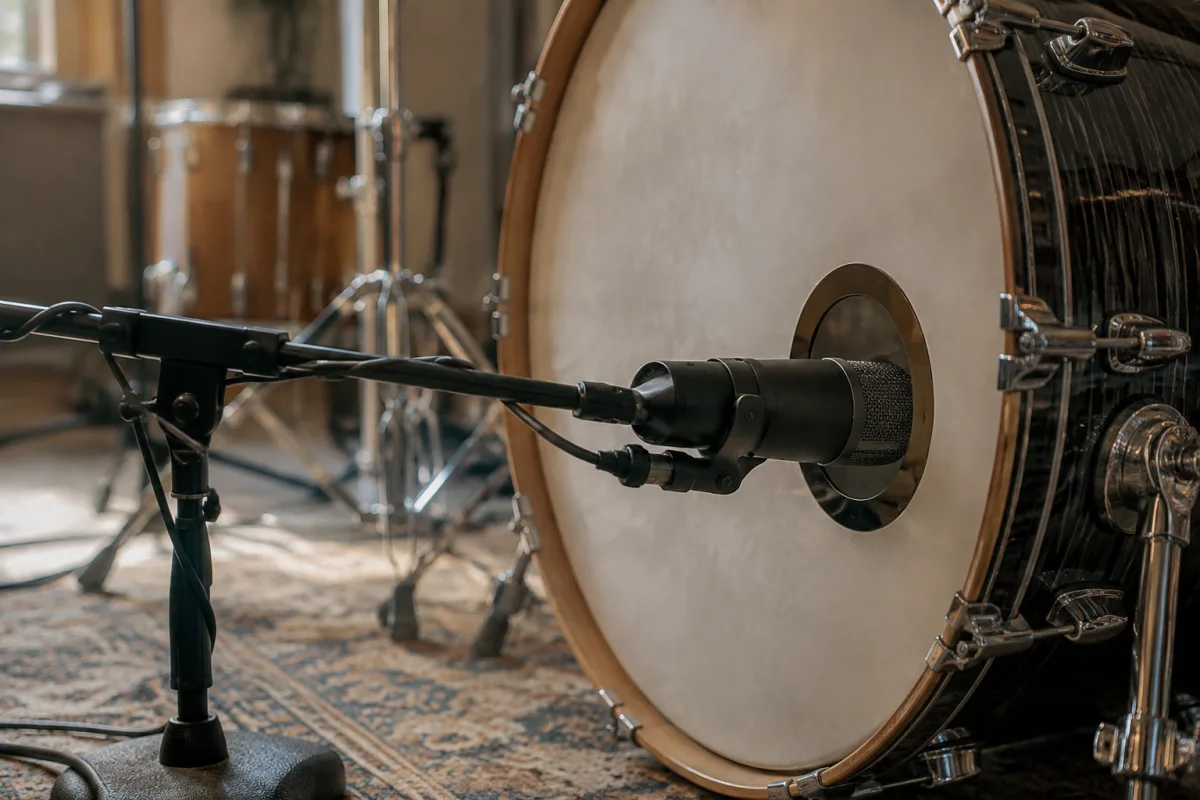
Capturing professional-quality kick drum recordings requires understanding microphone selection far more than most musicians realise. The kick drum's extreme dynamic range and low-frequency emphasis demand specialised microphone techniques and hardware that differ fundamentally from capturing other instruments. Whether you're recording drums in a professional studio, building a home recording setup, or capturing live performances, selecting the right kick drum microphone determines whether your recordings sound punchy and powerful or muddy and unclear. This buying guide reveals what genuinely matters when investing in kick drum microphone equipment.
Understanding Kick Drum Microphone Requirements
Kick drum microphones face unique challenges compared with general-purpose recording microphones. The kick drum produces enormous acoustic pressure—particularly at low frequencies below 100Hz—demanding microphones capable of handling high sound pressure levels without distortion. A microphone suitable for vocal recording often lacks the durability and frequency response for kick drum application.
The kick drum's frequency content spans roughly 30Hz to 5kHz, with most energy concentrated below 150Hz. Effective kick drum microphones accommodate this low-frequency emphasis whilst providing the detail needed for modern production. Budget microphones often lack the low-frequency extension producing muddy, undefined kick drum recordings.
Kick drum microphones must handle placement inside the kick drum cavity—a harsh acoustic environment with extreme resonances and SPL characteristics. Microphones designed for external use often fail miserably inside kick drums. Specialised kick drum microphones account for this environment, delivering usable recordings in conditions that would destroy inappropriate microphones.
Types of Kick Drum Microphones
Dynamic microphones represent the standard for kick drum recording—their design handles high SPL naturally and their frequency response suits kick drum characteristics. Shure SM7B, Shure Beta 52A, and Audio-Technica AT4040 top professional preference lists for kick drum microphone applications.
Condenser microphones suit kick drum recording only when specifically designed for high SPL handling. Most budget condensers collapse under kick drum pressure; professional condensers with rugged construction and high-SPL ratings work excellently but demand premium pricing. Neumann U47 and Telefunken ELA M 251 represent legendary kick drum microphone choices despite extreme costs.
Boundary microphones (pressure zone microphones) offer unique advantages inside kick drums, capturing both beater attack and low-frequency body. These kick drum microphones work excellently when positioned inside the kick drum mounted against the resonant head.
Key Specifications for Kick Drum Microphones
Maximum SPL rating fundamentally matters for kick drum microphones. The kick drum produces 120-130dB SPL inside the shell; your kick drum microphone must handle this without distortion. Any microphone rated below 130dB SPL risks clipping on loud kicks.
Frequency response determines tonal characteristics. Professional kick drum microphones provide extended low-frequency response (down to 20Hz or lower) capturing the fundamental punch. A rising presence peak (4-8kHz) adds click and beater definition. Budget kick drum microphones often lack this presence peak, resulting in dull, undefined recordings.
Proximity effect—increased bass response when the source is close—affects kick drum microphones significantly. Placing a microphone inside a kick drum amplifies this naturally. Some kick drum microphones employ cardioid patterns minimising proximity effect; omnidirectional microphones maximise it. Understanding your intended kick drum microphone placement determines which proximity effect characteristic suits your needs.
Polar pattern influences kick drum microphone placement and isolation. Cardioid kick drum microphones provide good drum isolation for live recording. Omnidirectional patterns excel inside kick drums but offer poor isolation. Match polar pattern to your recording environment.
Professional Versus Budget Kick Drum Microphones
Budget kick drum microphones under £100 function adequately for casual recording, though lack the sonic character and durability of professional instruments. These kick drum microphones sound serviceable but rarely inspire—they accomplish the task without excellence.
Mid-range kick drum microphones (£150-400) deliver genuine quality, balancing cost against performance. Professional studios typically work in this tier, using kick drum microphones like Shure SM7B that offer exceptional value and proven track records. Most contemporary recordings use mid-range kick drum microphones rather than premium instruments.
Premium kick drum microphones exceeding £400 offer legendary status and tonal character that justifies extreme pricing for serious professionals. These instruments provide sonic excellence that decades of use validate. For professional recording studios and artists prioritising sonic character above cost, premium kick drum microphones merit consideration.
Practical Placement Considerations
Kick drum microphone placement dramatically affects recorded tone. Placing the microphone inside the kick drum captures maximum low-frequency body and beater click. Boundary microphones work excellently here, mounting against the resonant head inside the shell.
External placement captures different characteristics. Microphones positioned outside the kick drum toward the resonant head emphasise bottom end; positioning near the batter head adds beater detail. Experienced engineers often use multiple kick drum microphones at different positions, blending them during mixing for comprehensive tone.
Microphone distance from the kick drum head matters significantly. Close placement (3-6 inches) captures explosive attack and direct sound. Distance placement (12+ inches) adds room reflections and natural decay. Understanding your mixing intentions guides optimal kick drum microphone positioning.
Common Purchasing Mistakes With Kick Drum Microphones
Selecting general-purpose microphones for kick drum recording tops the mistake list. Vocal microphones designed for proximity lack the SPL handling and frequency response kick drum microphones require. Investing in specialised kick drum microphones prevents frustrating recording sessions and inadequate sonic results.
Underestimating microphone mounting challenges frustrates many buyers. Kick drum microphones require sturdy stands resistant to vibration transmission. Budget microphone stands transmit kick drum vibration directly to your mixer; professional-grade isolation mounts isolate microphones from mechanical vibration.
Neglecting to account for room acoustics affects results. The recording environment fundamentally shapes kick drum microphone performance. Poor rooms require acoustic treatment; excellent rooms let kick drum microphones shine. Honest assessment of your space guides realistic microphone selection.
Pursuing premium microphones when mid-range instruments suffice wastes resources better invested elsewhere. Professional-quality recordings emerge from appropriate microphone selection for your specific needs and budget—not necessarily premium pricing.
Setup and Integration Considerations
Kick drum microphones require proper preamp gain structure and cable routing preventing noise and signal degradation. Quality XLR cables under £20 prevent signal loss more effectively than cheap alternatives.
Phantom power isn't necessary for dynamic kick drum microphones, but condenser models require it absolutely. Ensure your audio interface or mixer provides phantom power for condenser kick drum microphone applications.
Professional recording chains often compress and equalise kick drum microphone signals aggressively. A good kick drum microphone enables creative EQ and compression work; poor microphones limit your options fundamentally.
Long-term Durability Considerations
Kick drum microphones face harsh conditions and deserve protection. A sturdy carrying case extends instrument life and protects against damage during transport. Professional microphone cases cost £30-100 but prevent far more expensive damage.
Regular cleaning removes drum dust and sweat accumulation degrading performance. Quality kick drum microphones respond positively to basic maintenance, remaining functional for decades with reasonable care.
Making Your Kick Drum Microphone Decision
Selecting a kick drum microphone requires balancing budget, sonic priorities, and recording environment realities. Mid-range dynamic microphones offer exceptional value for most applications. Professional studios justify premium instruments through extensive use; beginners needn't start there.
For comprehensive information about specific kick drum microphone models, placement techniques, signal processing, and recording strategies, visit our complete guide to kick drum microphones.


Comments