


Audio Technica with Mic article
Audio Technica With Mic for Beginners: A Complete Guide
Audio-Technica microphones are the gold standard for home recording beginners. This guide explains why, helps you choose the right model, and shows you how to record professionally from day one.
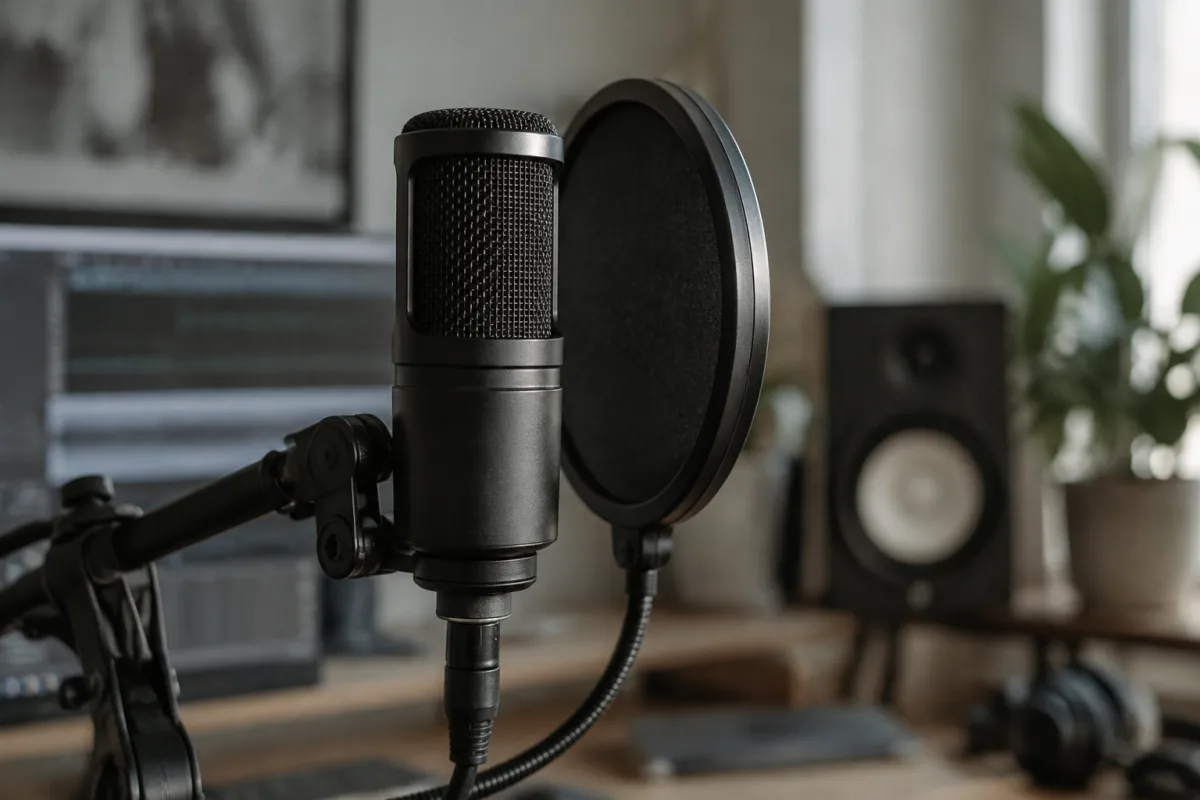
Audio-Technica microphones have become the gold standard for home recording beginners. The company's reputation for building professional-quality equipment at accessible prices has made their microphones ubiquitous in bedrooms, podcasting studios, and small professional facilities worldwide. If you're considering buying your first Audio-Technica microphone, you're making a choice backed by years of proven reliability and sound quality. This beginner's guide removes the intimidation, explains what you're actually getting, and helps you take your first steps into microphone recording confidently.
Why Beginners Choose Audio-Technica Microphones
Audio-Technica has earned its reputation through consistency. Their microphones sound genuinely professional, handle various recording situations reasonably well, and last for years without fussiness. Most importantly, they don't require extensive technical knowledge to get good results. Plug in an Audio-Technica microphone, position it properly, and you'll hear your own voice captured with remarkable clarity. That confidence matters when you're learning.
The company makes microphones specifically designed for home studios and content creators. They understand beginner anxieties and build products that eliminate technical complications whilst delivering professional results. An Audio-Technica microphone won't make excuses for poor technique, but it won't punish minor setup mistakes either.
Audio-Technica Microphone Models for Beginners
| Model | Best For | Price | Key Characteristics |
|---|---|---|---|
| AT2020 | Vocals, acoustic instruments, home recording | £100–£150 | Cardioid condenser; bright clarity; forgiving; industry standard |
| AT2035 | Budget-conscious entry; similar to AT2020 | £80–£120 | Slightly warmer than AT2020; excellent value |
| AT4040 | Serious hobbyists; professional recording | £200–£300 | Large-diaphragm condenser; warm, detailed tone; studio-quality |
| AT4050 | Multi-purpose studio recording; podcasting | £300–£400 | Omnidirectional capability; versatile; professional-grade |
| AT2020USB | Computer recording without audio interface | £120–£160 | USB connection; simplified setup; no interface needed |
The Legendary AT2020: Understanding Why Beginners Choose It
The AT2020 is arguably the best beginner's microphone ever made. This isn't because it's the most expensive or technically advanced—it's because it delivers professional sound quality, looks genuinely professional, handles nearly any recording situation reasonably well, and won't frustrate you through limitations that feel undeserved. Thousands of professional recordings have been made with AT2020 microphones. You're not compromising by choosing this as your first microphone; you're starting with equipment that professionals use daily.
The AT2020 has a slight presence peak in the upper midrange—around 4 kHz—that makes voices and acoustic instruments pop from the mix. This brightness suits vocals particularly well, though it works for acoustic guitars, strings, and percussion too. The microphone is forgiving in untreated rooms; it won't highlight every acoustic flaw. This makes it ideal for home studios where perfect acoustics are impossible.
Essential Setup: Getting Professional Results From Your Audio-Technica Microphone
Your Audio-Technica microphone needs three things to perform: proper positioning, a sturdy stand, and adequate shielding from background noise. Position your microphone at mouth level if recording vocals, angled slightly downward. This prevents plosives—harsh "P" and "B" sounds that can wreck recordings. Keep the microphone 15–30cm from your mouth. Closer isn't always better; move farther away if you hear breath noise or plosives.
Invest in a proper microphone stand and boom arm. Don't rest your Audio-Technica microphone on your desk or hold it in your hand. A stand decouples the microphone from vibrations and lets you position it precisely. A pop filter is optional but helpful—it reduces plosive intensity without noticeably changing tone.
Treat your recording environment minimally. Heavy curtains, soft furniture, and soft materials absorb reflections that make recordings sound thin and echo-y. You don't need a professional vocal booth; reasonable acoustic treatment in a normal bedroom transforms results dramatically. An Audio-Technica microphone won't fix terrible acoustics, but it will work well in treated spaces.
Getting Started: First Steps With Your Audio-Technica Microphone
Before recording important material, spend time learning. Record yourself talking, singing, playing instruments. Listen carefully to how your voice and your instruments sound through the microphone. Notice how proximity affects proximity effect (bass boost as you get closer). Learn how microphone angle affects tone. Spend weeks exploring before you start taking recordings seriously.
Set reasonable input levels. Your audio interface should show healthy signal without peaking into red. Audio-Technica microphones are forgiving, but distortion is permanent—you can't fix it in editing. Err on the side of lower levels that you can turn up in software rather than pushing the microphone hard into the interface.
Learn basic microphone technique. Talk slightly across the microphone rather than directly into it to minimize plosives. Maintain consistent distance to keep levels stable. Avoid rustling clothes or knocking the stand. These techniques sound simple, but they separate professional-sounding recordings from amateur results.
Common Beginner Mistakes to Avoid
Don't position your Audio-Technica microphone too close to walls or windows. Reflections off hard surfaces create phase problems and hollow tone. Position it in the middle of the room if possible, away from hard surfaces. A few centimetres difference creates noticeable tonal change.
Avoid using your microphone in acoustically dead rooms. Padding every surface sounds professional in theory but creates unnatural tone that's hard to work with. A bit of reflectivity in your recording space is actually desirable. Your Audio-Technica microphone was designed to work in normal rooms, not dead booths.
Don't overthink microphone placement initially. Position it reasonably, test it, and record. Audio-Technica microphones reward experimentation. You'll develop instincts about placement through experience far faster than through reading about it.
Resist the urge to add EQ and effects immediately. Record clean, clear audio first. Learn what your Audio-Technica microphone sounds like naturally. Add processing later if you need it. Many beginner recordings are ruined by excessive processing hiding what is actually pretty good recorded sound.
Your Audio-Technica Microphone Is Just The Beginning
The microphone is one component of recording. You'll also need an audio interface to connect your microphone to your computer, decent headphones to hear what you've recorded, and recording software. All of these matter, but your Audio-Technica microphone is where the actual sound originates. Invest here, get the other components adequate-but-modest, and you'll get genuinely professional results.
For comprehensive exploration of Audio-Technica microphone specifications, professional applications, and advanced recording techniques, visit our ultimate guide to Audio-Technica microphones. That resource covers the full product range and advanced applications beyond the beginner introduction.
Starting Your Recording Journey With Confidence
An Audio-Technica microphone is a genuinely smart first purchase. You're investing in equipment that will serve you faithfully for years, that sounds professional regardless of your experience level, and that won't limit you as your skills develop. Start simple, learn thoroughly, and let your Audio-Technica microphone become the foundation of satisfying recording experiences.



Comments