


Audio Technica with Mic Buying guide
Audio Technica With Mic: A Complete Buyer's Guide
Audio Technica offers quality microphones across price points. This guide explains microphone types, critical specifications, and how to select the right model for your recording or performance needs.
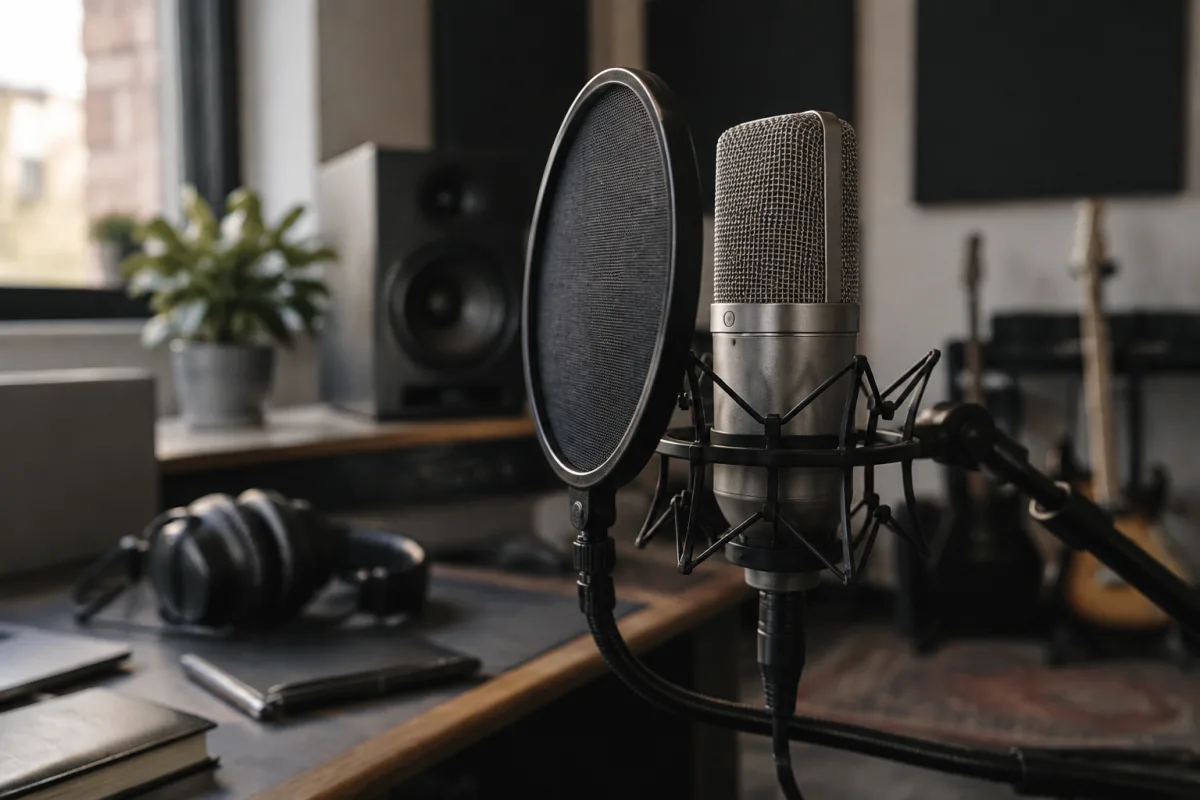
Audio Technica microphones have earned global respect for consistent quality across price points and applications. Whether you're recording podcasts, streaming, producing music, or capturing live performances, Audio Technica offers solutions that don't require premium budgets. Selecting the right Audio Technica microphone demands understanding microphone types, polar patterns, frequency response, and how your specific application shapes equipment priorities. This buying guide helps you choose wisely without overpaying for unnecessary specifications.
Audio Technica Microphone Categories
Audio Technica manufactures microphones across distinct categories, each optimised for specific applications:
- Condenser Microphones (Studio/Recording): Superior sensitivity and frequency response make these ideal for recording vocals, instruments, and detailed sound capture. The AT2020 represents Audio Technica's flagship condenser—beloved by home and professional studios alike. Price range: £150–600.
- Dynamic Microphones (Live/Broadcast): Rugged construction, excellent feedback rejection, ideal for live performance and broadcast voice work. Less sensitive than condensers but more forgiving of harsh handling. Price range: £100–400.
- Lavalier/Miniature Mics (Video/Theatre): Tiny form factors for speaking roles, video production, and hands-free applications. Excellent for clarity in dialogue-heavy content. Price range: £50–200.
- Wireless Systems (Performance/Broadcasting): Complete systems with transmitter/receiver, enabling mobile performers to move freely. Professional-grade quality at competitive prices. Price range: £300–2,000+.
Critical Microphone Specifications Explained
Understanding what microphone specs mean prevents confusion and poor purchasing decisions:
- Microphone Type (Condenser vs. Dynamic): Condensers capture detail beautifully but require phantom power and are sensitive to moisture. Dynamics handle rough treatment better and work without external power in some contexts. Choose based on your environment and handling needs, not perceived quality.
- Polar Pattern (Cardioid, Omnidirectional, Figure-8): The polar pattern determines which directions the microphone captures sound. Cardioid (heart-shaped) captures primarily front-facing sound, rejecting rear feedback—ideal for live performance. Omnidirectional captures equally in all directions—useful for room ambience or group recording. Figure-8 captures front and rear equally, rejecting sides—professional choice for interview situations. Audio Technica microphones clearly specify polar patterns; match the pattern to your recording environment.
- Frequency Response (Hz Range): Most Audio Technica microphones reproduce 20Hz–20kHz adequately for music and voice. Flatter frequency response (±3dB) reveals more audio detail; coloured response (±5dB) adds character. For neutral, honest recording, flatter response matters. For character-driven recording (podcast, radio), slight coloration is acceptable or even desirable.
- Phantom Power Requirements: Condenser microphones require phantom power (typically +48V from your audio interface or mixer). Dynamic microphones don't require phantom power. Verify your audio equipment supplies phantom power before purchasing condenser mics.
- Self-Noise (Noise Floor): Measured in decibels, lower self-noise means cleaner recordings. Anything below 20dB is professional-grade; below 15dB is exceptional. Most Audio Technica condensers achieve 12–18dB self-noise—industry-leading performance at moderate prices.
- Maximum SPL (Sound Pressure Level): How loud a microphone can handle before distorting. Most studio condensers max around 130dB SPL (extremely loud). Live dynamic microphones often handle 140dB+ because they're frequently used in high-volume environments. Verify maximum SPL matches your recording needs.
Audio Technica Microphone Price Tiers & Applications
Budget determines which specifications and build quality you access. Review the ultimate guide to Audio Technica microphones for detailed model comparisons, but understand these tiers:
- Budget Entry Microphones (£50–150): Suitable for casual podcasting, beginner voiceover work, and basic home recording. Build quality is acceptable; performance is respectable for the price. Not suitable for critical audio production or touring. Great for testing whether microphone upgrade justifies investment.
- Mid-Range Professional Microphones (£150–400): The sweet spot for serious home studios, podcasters, and musicians. Audio Technica's AT2020 (£150–200) is legendary in this tier—professional studios and home recordists both use it. Build quality noticeably improves; sound quality rivals microphones costing three times as much. Longevity extends to 10+ years with proper care.
- Premium Studio/Live Microphones (£400–1,000): Professional-grade equipment with exceptional clarity, rugged construction, and comprehensive features. Suitable for touring performers, high-end studios, and critical applications where audio quality directly impacts production value.
- Elite Systems (£1,000+): Rare, expensive solutions for specialised applications. Most recording and performance needs are satisfied by mid-range microphones. Premium pricing is justifiable only for studios generating significant revenue or touring professionals recording live performances for broadcast.
Audio Technica Microphone Selection by Application
Your specific needs guide which model fits best:
- Home Studio Recording (Vocals/Instruments): Mid-range condenser (£150–300) like the AT2020. Phantom power from your audio interface powers it. Exceptional sound quality for the investment. Longevity justifies cost through years of use.
- Podcast/Voiceover Work: Dynamic microphone (£100–200) offers excellent voice clarity, minimal background noise rejection (isolated booth not always necessary), and rugged durability for frequent transport between locations. USB models (£80–150) connect directly to computers, eliminating need for audio interfaces.
- Live Performance/Touring: Professional dynamic system (£300–800) with wireless capability. Audio Technica's wireless systems punch above their price point. Touring musicians appreciate the durability and reliable performance across dozens of venues.
- Video Production/Streaming: Lavalier or desk-mounted condenser (£100–400) depending on mobility needs. USB-connected models simplify streaming setup. Consistent pickup patterns ensure reliable audio regardless of speaker position.
Common Buying Mistakes & How to Avoid Them
Steer clear of these errors:
- Overbuying Specifications You Don't Need: A podcaster gains minimal benefit from a microphone with ±1.5dB frequency response versus ±3dB. A home musician rarely needs maximum SPL of 140dB. Define your actual needs before upgrading. Mid-range Audio Technica microphones handle 95% of recording situations.
- Ignoring Phantom Power Requirements: Purchasing a condenser microphone without verifying your audio interface supplies phantom power creates frustration. Check equipment compatibility before committing to condenser purchases. Dynamic microphones eliminate this concern.
- Assuming Expensive Automatically Means Better: Audio Technica's AT2020 (£150–200) arguably performs better than many microphones costing £500+. Price doesn't guarantee superiority. Read reviews, check frequency response graphs, and trust established reputation.
- Neglecting Acoustic Treatment: Even an expensive microphone sounds mediocre in an untreated room. Background noise, reverb, and reflections dominate. A mid-range microphone in a treated space outperforms a premium microphone in a reflective, noisy environment. Invest in acoustic foam and sound dampening alongside microphone purchase.
- Not Testing Before Purchase:** Microphone sound is subjective. Some voices sound better on condensers; others prefer dynamics. Rent or trial microphones before committing. Your ears will guide you toward optimal choices.
Audio Technica Microphone Reliability & Maintenance
Quality microphones demand basic care:
- Use Pop Filters: Fabric pop filters (£20–50) prevent plosive sounds from damaging delicate diaphragms and reduce wind noise. Essential for vocal recording.
- Proper Storage: Store microphones in protective cases or foam. Protect from moisture and extreme temperature changes. Proper storage extends lifespan by years.
- Cable & Connector Inspection: Check XLR cables regularly for damage. Replace worn connectors; they prevent intermittent audio and noise issues.
- Warranty Support: Audio Technica's warranty and customer service are reliable. Register your microphone and preserve warranty documentation for 3+ years of protection.
Used Audio Technica Microphones: Value Assessment
Secondhand Audio Technica microphones cost 30–50% less than new. Test thoroughly; the diaphragm should respond smoothly to all frequencies. Listen for crackling or distortion indicating age-related wear. Used condensers are generally safe; the solid-state components degrade slowly. Audio Technica microphones maintain value and reliability across years. For budget-conscious buyers, carefully inspected used models offer genuine value. For professional use requiring warranty protection, new equipment justifies cost premium.
Making Your Purchase Decision
Start by defining your specific application and environment. Podcasters generally benefit from dynamic microphones or USB options. Home musicians justify mid-range condensers like the AT2020. Touring performers need wireless systems with proven durability. Rather than maximising specifications, choose the Audio Technica microphone aligned with your actual needs and budget. Upgrade later as your requirements evolve. A properly matched mid-range Audio Technica microphone serves you for a decade, outpacing expensive purchases misaligned with your application. Choose thoughtfully based on realistic needs, not aspirational use.


Comments