


Antenna Distribution article
Everything You Need to Know About Distributed Antenna System Jobs
Antenna distribution systems eliminate dead zones and ensure consistent wireless microphone performance in professional recording studios.
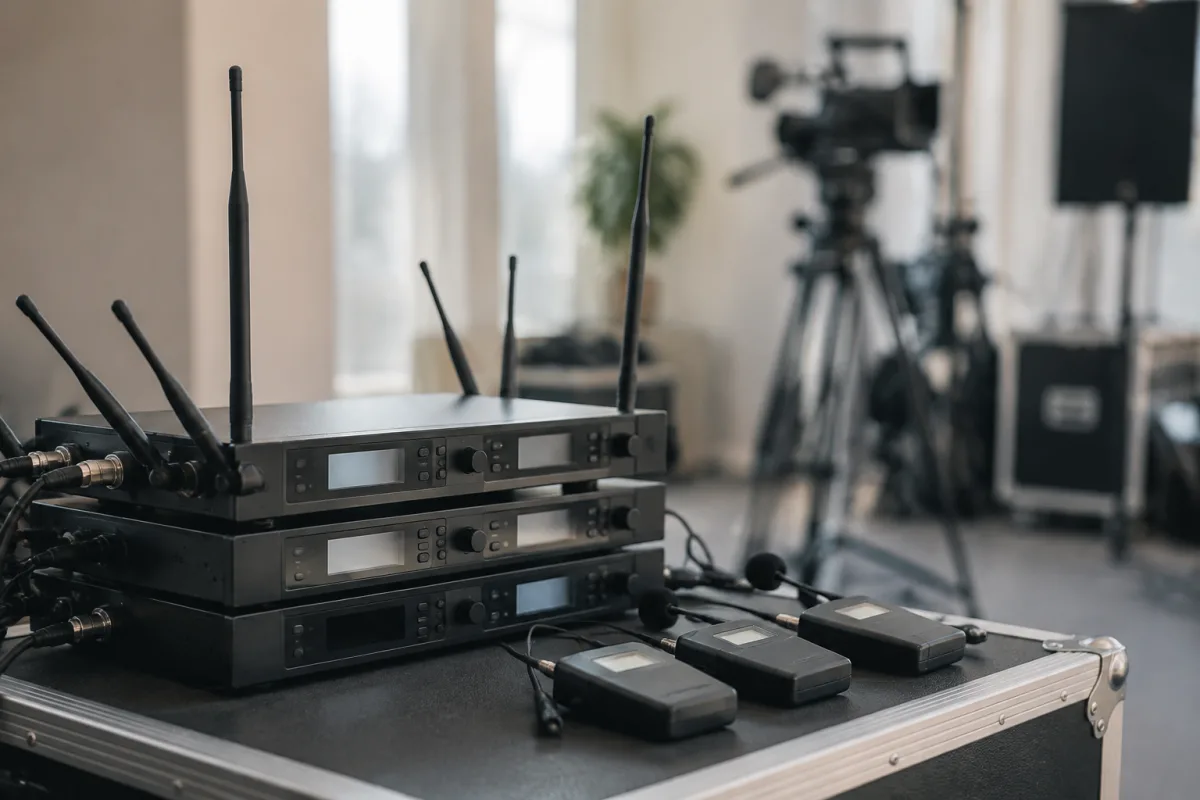
Professional wireless microphone systems in studios demand reliable signal reception across large spaces. A distributed antenna system provides precisely that—multiple antennas placed strategically throughout a studio to ensure consistent, dropout-free wireless coverage. Understanding how antenna distribution works helps engineers design robust systems that perform reliably in demanding recording environments.
What Is a Distributed Antenna System?
A distributed antenna system (DAS) uses multiple antenna locations connected to a central receiver unit. Rather than relying on a single antenna positioned at one point, the system spreads receiver antennas throughout the recording space. This approach dramatically improves signal reception, particularly in larger studios, control rooms, and performance spaces where dead zones are common.
In practical terms, antenna distribution works by placing passive or active antennas in strategic locations and feeding their signals to a combiner or receiver. This redundancy ensures that wireless microphones, in-ear monitors, and other RF devices maintain strong signals regardless of where performers or equipment are positioned within the studio.
Why Antenna Distribution Matters in Studios
Professional studios often contain metallic structures, acoustic treatments, and equipment that create signal shadows. A single antenna positioned in the control room might receive excellent signal from one area of the studio floor whilst experiencing significant dropouts near the vocal booth or live recording space. Multiple antennas overcome these challenges.
Antenna distribution systems ensure reliable microphone performance during critical recording sessions. Dropouts during vocal takes or instrumental performances waste studio time and compromise production quality. Performers need confidence that their wireless systems will function flawlessly, allowing them to focus on their performance rather than worrying about technical failures.
Types of Antenna Distribution
Passive Antenna Distribution
Passive systems use simple cable runs from multiple antennas to a centralised combiner box. The combiner intelligently selects the strongest signal from available antennas. This approach is cost-effective and straightforward to install. Passive antenna distribution works well in smaller-to-medium studios where signal degradation across cable runs remains acceptable.
Active Antenna Distribution
Active distribution systems incorporate amplifiers at the antenna locations or central combiner. Signal loss over longer cable runs is amplified, maintaining stronger signals throughout the system. Active systems suit larger spaces or installations where cable runs are extensive. The amplification ensures that even antennas located far from the receiver maintain adequate signal strength.
Networked Antenna Distribution
Modern networked systems use digital technology to coordinate multiple antennas and receivers. These systems provide sophisticated features such as automatic antenna selection, signal monitoring, and network integration. They're common in large broadcast facilities and advanced recording environments where system flexibility and monitoring are priorities.
Key Considerations for Installation
Successful antenna distribution requires thoughtful placement. Antennas should be positioned at different heights and locations throughout the studio space. Placing all antennas at the same height can create blind spots; varied positioning ensures comprehensive coverage.
Cable runs from antennas to the central combiner need careful attention. High-quality shielded cables prevent signal loss and interference. Cable length directly affects signal strength; longer runs demand either active amplification or high-quality cable to maintain adequate signal levels.
Antenna type matters significantly. Omnidirectional antennas receive signals from all directions, suiting general studio use. Directional antennas focus on specific areas, useful when you need strong reception from a particular zone whilst rejecting signals from problem areas. Many systems combine different antenna types for optimal coverage.
Antenna Distribution and Interference Management
Multiple antennas receive not only desired signals but also potential interference. A well-designed antenna distribution system includes mechanisms to reject out-of-band interference and reduce sensitivity to unwanted RF sources. The receiver's ability to discriminate between desired and interfering signals becomes more sophisticated in larger systems.
Proper grounding of antenna distribution equipment prevents noise and hum from compromising signal quality. This is particularly important in studios where audio equipment generates its own RF hash. Clean grounding ensures that the antenna system captures wanted signals cleanly.
Frequency Coordination
Studios using wireless microphone systems must coordinate their RF frequencies carefully. Antenna distribution systems allow you to monitor multiple frequencies simultaneously using multi-channel receivers. This capability is essential when running multiple wireless systems in the same space, as antenna distribution ensures each system receives consistent, reliable coverage across all frequencies in use.
System Monitoring and Maintenance
Professional antenna distribution systems often include monitoring capabilities that alert engineers to signal issues before they cause problems. Regular maintenance ensures peak performance—this includes checking antenna connections, verifying cable integrity, and confirming combiner settings remain optimised.
In recording environments, downtime is costly. Reliable antenna distribution prevents expensive session interruptions by ensuring wireless microphone systems perform flawlessly from start to finish. Engineers can focus entirely on the creative work rather than troubleshooting RF issues mid-session.
Designing Your Studio's System
The right antenna distribution setup depends on several factors: your studio's physical layout, the number of wireless systems you'll operate simultaneously, your budget, and your technical requirements. Smaller studios might succeed with simple passive distribution; larger facilities or broadcast environments justify investment in active or networked systems.
Conclusion
Antenna distribution systems form the backbone of reliable wireless microphone performance in professional studios. By strategically positioning multiple antennas throughout your recording space, you eliminate dead zones and ensure consistent RF coverage. Whether you're building a new studio or upgrading an existing system, proper antenna distribution is essential for the professional results and reliable performance your work demands.




Comments