


Rhythm Training Buying guide
Rhythm Training: A Complete Buyer's Guide
Solid rhythm comes from consistent practice with the right rhythm training tools. This guide helps you choose what you actually need without overspending on features you won't use.
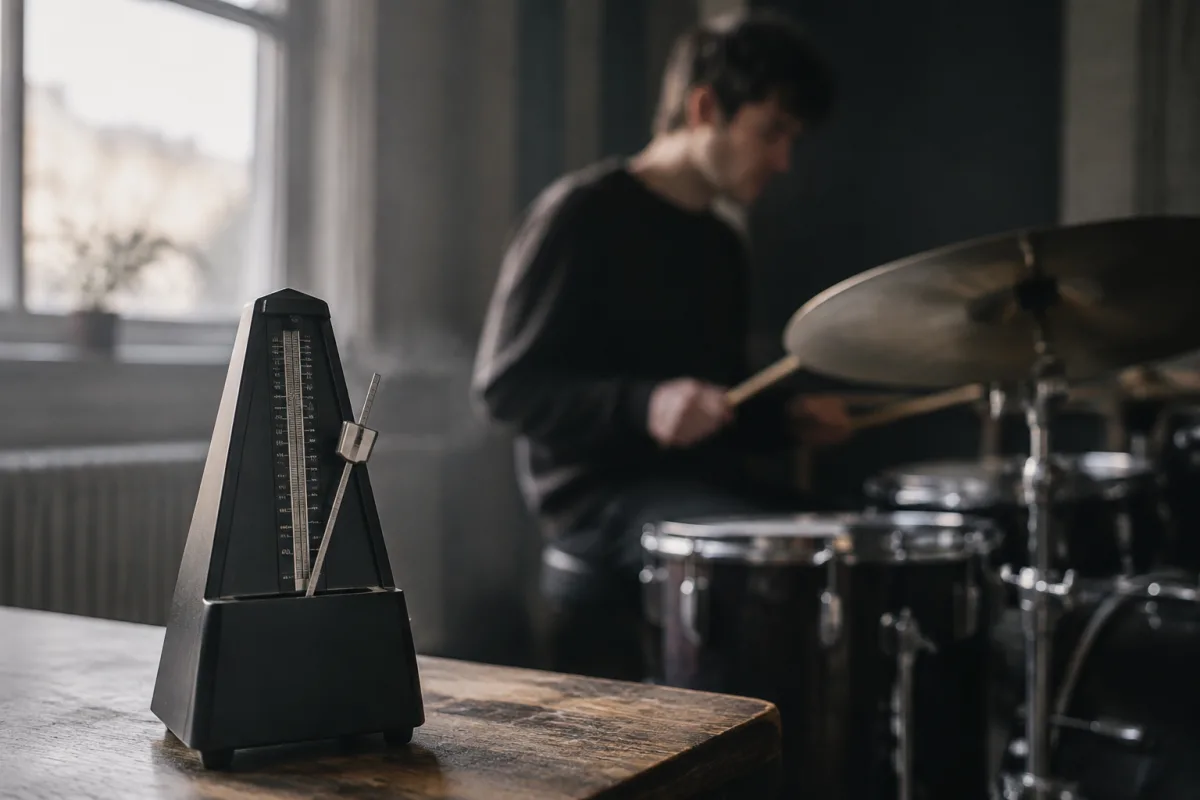
Solid rhythm is the foundation of every instrument. Rhythm training builds that foundation, but where do you start? Should you buy a metronome? A drum machine? A rhythm training app? The options range from a free smartphone metronome app to professional-grade devices costing hundreds. This buying guide helps you find the rhythm training tools that match your needs without wasting money on features you won't use.
Understanding Your Rhythm Training Needs First
Before spending money on rhythm training equipment, clarify what you actually need. Are you training basic steady timekeeping? Building polyrhythmic skills? Learning complex time signatures? Practising to backing tracks? Each goal suggests different rhythm training tools. Someone learning to keep time needs something fundamentally different than a jazz drummer working on independence.
Your budget and learning style matter too. Free rhythm training apps exist and work well for basic practice. Serious musicians often justify spending £50–300 on professional-grade rhythm training tools because they practice daily. Casual learners rarely need that investment.
Free Rhythm Training Options: Where They Work
Smartphone metronome apps (hundreds exist, mostly free) genuinely work for basic rhythm training. Apps like BPM Metronome, Metronome Plus, or Tempo handle steady beat training effectively. The downside: no feedback on whether you're actually staying in time, and basic functionality might feel limiting once you progress.
YouTube rhythm training videos and tracks are freely available. Backing tracks in specific time signatures or tempos exist for every instrument. These work well paired with a rhythm training app or physical metronome. Use YouTube for motivating backing tracks and an app or metronome for keeping time.
Free rhythm training is a solid entry point. If you're just starting rhythm training, don't buy anything expensive yet. Confirm you're actually going to practice regularly before investing.
Metronomes: The Standard Rhythm Training Tool
Mechanical metronomes (£20–100) are classic rhythm training devices. They work offline, never need batteries (some models need winding), and produce a clear click. High-quality mechanical rhythm training metronomes are genuinely musical instruments—the sound quality matters and affects how pleasant the rhythm training experience feels.
Digital metronomes (£15–50) offer more features than mechanical models. Multiple time signatures, customizable accent patterns, tap-tempo functionality—all standard in digital rhythm training metronomes. Most musicians find digital rhythm training metronomes more practical and versatile than mechanical models, though they lack the charm.
For basic rhythm training, either works. Digital is more versatile; mechanical is more aesthetically pleasing and feels premium. Neither will break the bank, and both improve your rhythm training significantly compared to relying solely on apps.
Drum Machines and Loop Devices for Advanced Rhythm Training
Entry-level drum machines (£40–80) for rhythm training produce grooves and patterns beyond simple clicks. They're brilliant for training your internal groove sense, especially for drummers, bass players, and anyone working with rhythmic styles (funk, hip-hop, Latin). More advanced rhythm training drum machines (£100–300+) offer sophisticated pattern editing, multiple sounds, and recording capabilities.
Loop pedals and station devices (£80–400) allow you to record layered rhythmic patterns. These are brilliant for comprehensive rhythm training—you can build a drum pattern, then play melody or bass over it. They're overkill for basic rhythm training but tremendously valuable for anyone serious about rhythm training and arrangement.
Rhythm Training Software and Apps: Beyond Basic
More sophisticated rhythm training apps (£5–20) include features like adaptive difficulty, rhythmic games, or feedback on timing accuracy. Apps like Tune It Easy, Drum School, or more advanced options offer structured rhythm training exercises that improve steadily.
Subscription-based rhythm training platforms (£10–30/month) provide structured lessons, exercises, and progression tracking. Platforms like Soundfly or specialized rhythm training communities work well for learners who want accountability and structured progression. The cost is real, but for dedicated rhythm training, the structure often justifies it.
Music notation software with playback features can function as rhythm training tools. MuseScore (free) or professional software like Sibelius includes metronome functionality and tempo tracking. These aren't specialized rhythm training tools, but they serve the purpose if you're already using them for reading music.
Choosing a Setup for Different Instruments
Drummers benefit most from comprehensive rhythm training tools: multiple time signatures, complex patterns, perhaps a loop station for recording combinations. A digital metronome plus drum machine or loop device is ideal for serious drummer rhythm training.
Bass players prioritize groove and lock with drums. Rhythm training tools that let you hear drum patterns (drum machine or backing tracks) matter more than elaborate metronome features. A drum machine or a rhythm training app with groove patterns serves bass player needs well.
Guitarists often prioritize chop development alongside rhythm training. A basic metronome handles most rhythm training needs; loop devices become valuable when recording chord progressions to solo over.
Piano players and other pitched instruments can get by with basic rhythm training devices since they're usually not locking with drums. A metronome app handles most piano rhythm training needs efficiently.
Pitfalls When Buying Rhythm Training Equipment
The biggest trap: buying expensive rhythm training gear and not actually using it regularly. Rhythm training only works through consistent practice. Don't spend £200 on a drum machine if you won't commit to using it daily. Start cheap, build the habit, then upgrade.
Another pitfall: buying rhythm training equipment without understanding your actual needs. A jazz drummer and a rock guitarist have different rhythm training priorities. Don't buy based on what a friend recommended—identify what you actually want to improve.
Overcomplicating rhythm training is surprisingly common. You genuinely don't need a £300 piece of equipment for basic rhythm training. A £15 app or metronome handles steady-beat training perfectly. Buy features only if you know you'll use them.
The Smart Rhythm Training Budget
Start with a free metronome app and see if rhythm training sticks as a practice habit. After a month of regular use, invest in either a physical metronome (£20–40 for decent quality) or a drum machine (£50–100) depending on your needs. The upgrade feels worth it when you're already committed to rhythm training.
If rhythm training becomes central to your practice (three or more sessions weekly), a professional-grade metronome or device (£100–300+) makes sense. At that commitment level, premium rhythm training tools are genuinely cost-effective because you use them hundreds of hours annually.
Avoid impulse purchases of trendy rhythm training apps. Most musicians find one or two rhythm training tools they genuinely use and ignore the rest. Focus on one solid rhythm training device and practice with it consistently rather than juggling multiple half-hearted options.
For deeper context about rhythm training techniques, progression, and how rhythm connects to broader musicianship, read the complete rhythm training guide. Your buying decision should be based on commitment level and specific goals—start simple and upgrade only if practice reveals what you actually need.



Comments