


Practical Music Exams Buying guide
Practical Music Exams: A Complete Buyer's Guide
Practical music exams involve multiple costs beyond the exam fee. This guide helps you budget for materials, accompanist, and supporting resources.
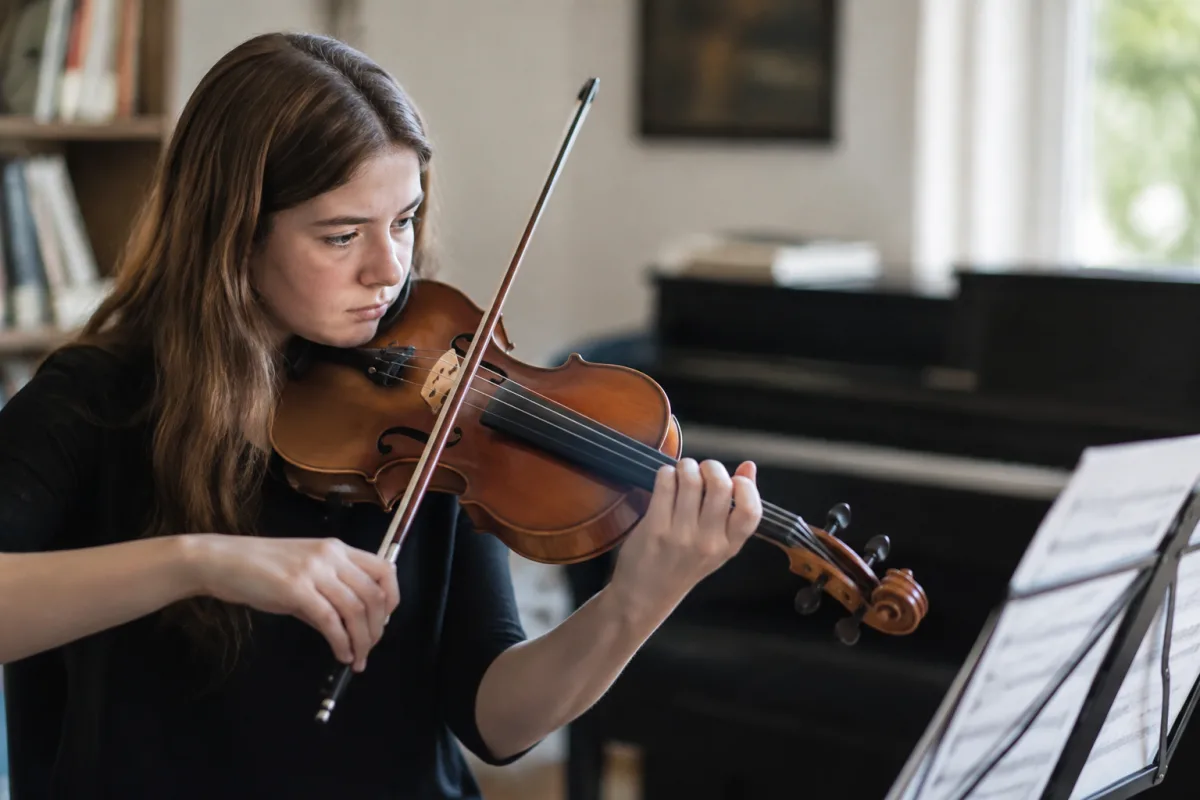
Taking a practical music exam involves more than just showing up to play. You'll need to budget for exam fees, prepare your resources, arrange accompaniment if required and invest in supporting tools to build your skills confidently. Understanding what a practical music exam costs and what you need to buy helps you plan realistically and avoid last-minute surprises. This guide walks you through the practical expenses and materials needed.
Understanding Practical Music Exam Costs
A practical music exam involves several categories of expense. Some are fixed (exam fees); others are optional but valuable (accompanist, extra lessons, resources). Let's break them down:
Exam Entry Fees
This is the core cost—registering with an exam board and taking the examination itself. UK fees vary by board and level:
- ABRSM (Associated Board of the Royal School of Music): Grade 1–5 cost roughly £60–85; Grades 6–8 cost £80–110. Check the official website for current rates; fees increase slightly each year.
- Trinity College London: Grade 1–5 cost approximately £65–90; Grades 6–8 cost £85–115.
- Rockschool: Fees are broadly similar (£60–110 depending on level and instrument).
- Other boards (LCME, CIEA): Typically £50–100 range; check their websites for exact rates.
These fees cover the examiner's time, administration and certification. They're non-refundable if you withdraw, so commit only when you're genuinely ready.
Registration and Administrative Fees
Some exam boards charge a separate registration or entry fee on top of the exam fee itself (typically £5–15). Check whether your board bundles these or charges separately. Private exam centres (schools, music colleges) may add a centre fee (£10–30) on top of the board's fee.
Materials You'll Need to Buy
Exam Pieces (Sheet Music)
Cost: £6–18 for a complete set of three pieces (see our exam pieces buying guide for detailed breakdown). You'll need clean, readable copies for the examination. Some candidates buy a fresh, pristine copy just for exam day to avoid performance jitters.
Scales and Arpeggios Books (if Required)
Most practical exams test scales, arpeggios and technical work. Your teacher often guides you on what to prepare, but you may need to purchase reference books or materials showing the required scales at your level. Cost: £10–25 for a comprehensive scale book specific to your instrument and exam board.
Sight-Reading Practice Materials
Sight-reading is assessed in most exams. Many candidates benefit from additional practice materials beyond what their teacher provides. Books like ABRSM Specimen Sight-Reading Tests or Trinity Sight-Reading and Interpretation Tests cost £8–15 each. Optional but genuinely useful for building confidence.
Aural Training Resources
Aural (listening) skills are tested, particularly at higher grades. Reference books or practice apps cost £0–20 depending on whether you buy a book or download an app. Free resources are available, but some candidates invest in specialised preparation materials.
Accompanist and Support Services
Hiring a Pianist/Accompanist
If your exam pieces require accompaniment (most classical and some other exams), you'll need a pianist or other accompanist. Cost: typically £20–50 per rehearsal. Most candidates work with an accompanist for 4–8 rehearsals before the exam, so budget £80–400. Some accompanists offer packages (e.g., 6 rehearsals for £100) at a discount.
You may already have an accompanist through your music lessons or school. If not, ask your music teacher for a recommendation; they usually know reliable local accompanists.
Extra Lessons from Your Teacher
Technically not a buying cost if you're already taking lessons, but intensive exam prep often involves booking extra lesson time. Budget £15–40 per lesson depending on your teacher; you might add 4–8 extra lessons in the month before your exam. Optional but many candidates find intensive teacher support invaluable for last-minute confidence and polish.
Practice Tools and Resources (Optional)
Metronome
Essential for developing steady time. If you don't already own one, budget £15–40 for a reliable metronome. Smartphone apps are free but less reliable for serious practice.
Recording Equipment
Recording yourself is invaluable for identifying mistakes and building confidence. You may already have a smartphone; if not, a basic recording device costs £20–50. Audio editing software (Audacity is free) helps review recordings.
Practice Journal or Notebook
Tracking your preparation and progress costs almost nothing (£1–5 for a notebook), but many candidates find it genuinely motivating and useful for identifying weak spots in their preparation.
Specialist Method Books
Additional repertoire or technical books specific to your exam level or instrument might support your preparation. Cost: £5–15 per book. Ask your teacher which books would benefit you before buying.
Budget Planning by Exam Level
Grade 1–3 (Beginner)
Typical total outlay:
- Exam fee: £60–85
- Exam pieces: £6–12
- Scales/arpeggios book: £10–15 (if needed)
- Extra lessons (optional): £0–100
- Accompanist (if required): £0–150
- Resources/materials (optional): £0–30
- Total range: £76–392, typically £120–200 for most candidates
Grade 4–6 (Intermediate)
Typical total outlay:
- Exam fee: £75–100
- Exam pieces: £8–18
- Scales/arpeggios book: £10–20
- Sight-reading/aural materials: £10–30
- Extra lessons (optional): £0–200
- Accompanist (if required): £100–300
- Resources/materials (optional): £0–50
- Total range: £103–718, typically £250–450 for most candidates
Grade 7–8 (Advanced)
Typical total outlay:
- Exam fee: £85–115
- Exam pieces: £10–20
- Scales/arpeggios book: £15–25
- Sight-reading/aural materials: £15–40
- Extra lessons (recommended): £100–300
- Accompanist (usually required): £200–400
- Resources/materials (optional): £0–100
- Total range: £425–1000, typically £600–800 for most candidates
Saving Money Without Cutting Corners
- Use your existing teacher's lessons efficiently. Focus on weak areas rather than drilling everything.
- Download free sight-reading and aural resources from exam board websites before buying books.
- Share accompanist costs with another exam candidate if you both need the same person.
- Buy exam pieces from online retailers rather than local shops (usually cheaper).
- Borrow scale books and reference materials from your school or local music library if available.
- Use free practice recording tools (your phone) rather than buying specialist equipment.
- Plan your exam 3–4 months ahead so you can spread costs across multiple months.
Hidden or Overlooked Costs
Be aware of expenses you might forget to budget for:
- Travel to the exam centre: Petrol, public transport or taxi cost. Budget £10–50 depending on distance.
- Exam clothing: Most exam boards require smart, formal attire. If you don't have suitable clothes, budget £30–100.
- Rescheduling or resitting fees: If you need to postpone or retake your exam, additional fees apply (usually £20–50).
- Photocopying materials: If you need extra copies of pieces or resources, budget £5–20.
For detailed guidance on preparing for practical music exams, see our complete practical music exams guide.
Final Thoughts
Practical music exams do involve financial investment, but careful planning keeps costs reasonable and within your control. The largest expenses are the exam fee itself and hiring an accompanist (if needed); everything else is supplementary. Budget realistically based on your level, plan 3–4 months ahead, and prioritise spending on accompanist support and teacher guidance, which directly improve your exam performance. The investment in preparation pays off in confidence, skill development and a stronger examination result.


Comments