


Music Grade 1 article
Music Grade 1 for Beginners: A Complete Guide
Taking your first music grade exam is achievable and rewarding. This guide shows you what to expect, how to prepare without stress, and why it's worth doing.
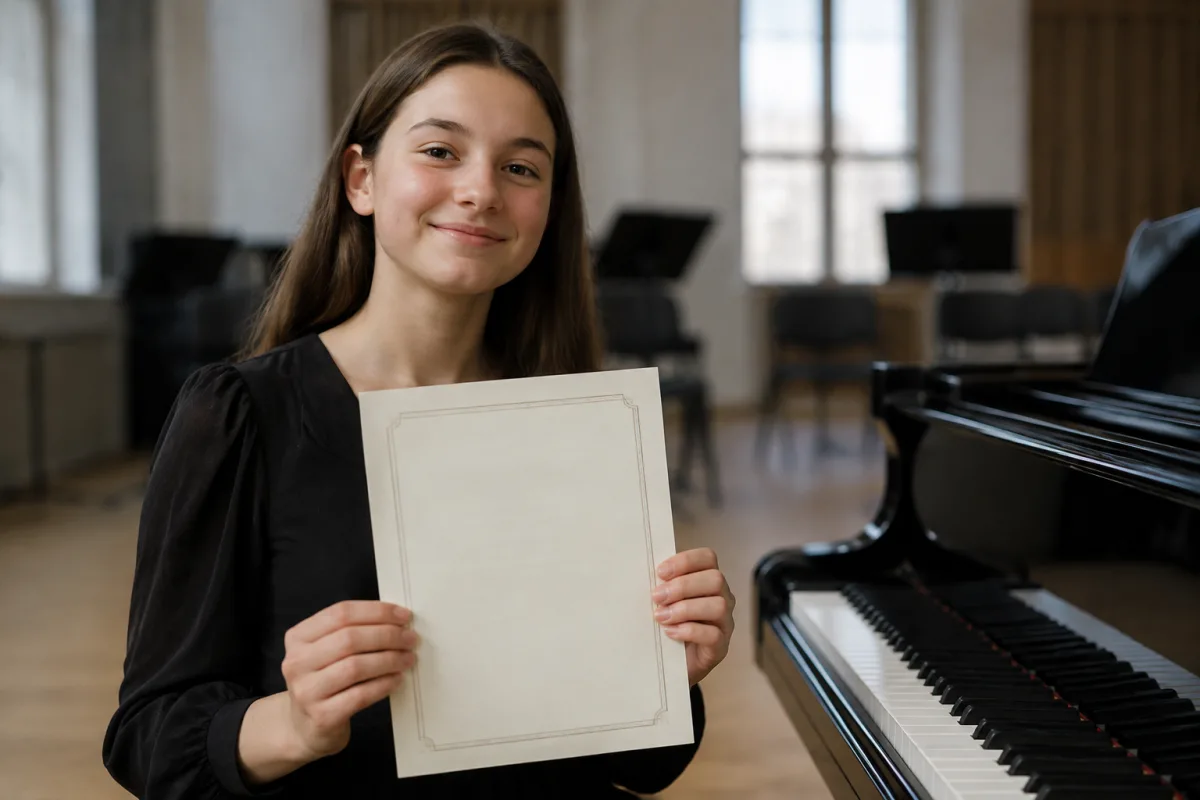
Sitting your first formal exam might feel like a big step. If you're approaching grade 1 in music, you might wonder whether you're ready, what to expect, and how to prepare. Here's the truth: this level exists specifically for beginners. It's not a punishment or a massive hurdle—it's a celebration of the basics you've learned. I'm going to walk you through what it involves, how to prepare without stress, and why tackling it early builds genuine confidence in your playing.
What Grade 1 Actually Is
Grade 1 in music is the first level in the ABRSM (Associated Board of the Royal Schools of Music) grading system. It assesses whether you can play simple pieces confidently, read basic notation, and demonstrate fundamental technique. It's not designed to be difficult; it's designed to be achievable after a year or so of regular practice.
The exam has three components: performing prepared pieces, sight-reading (playing something you haven't seen before), and ear training (listening to music and answering questions about it). None of these are complicated at music grade 1. The prepared pieces are straightforward, the sight-reading is simple, and the ear training focuses on very basic concepts.
Who Should Take Grade 1 and When
If you've been playing for six months to a year and can play simple tunes confidently, you're probably ready. There's no perfect age—children, teenagers, and adults all sit the exam. What matters is that you've had enough practice to feel settled with your instrument and can play easy pieces without constant mistakes.
Some people skip the exam entirely. That's fine—the grading system is optional. But this level is actually a brilliant milestone. It gives you a goal to work towards, formal feedback on your playing, and a certificate to mark your progress. Many teachers recommend it even if you don't plan to grade higher.
The Three Components Explained Simply
You'll prepare three or four short pieces and play them from memory or sheet music. These are genuinely easy—folk tunes, simple classical pieces, popular melodies. You've probably played similar difficulty already. The examiner just wants to hear you play musically and cleanly.
Sight-reading means you'll be given a piece you haven't seen and asked to play it. It's easier than it sounds. The music is deliberately simple—you're not expected to play it perfectly. The examiner wants to see that you can read notation and have a go at something new.
Listening exercises test ear training. You'll hear short melodies or chords and answer simple questions: "Was that higher or lower?" "Did it sound happy or sad?" "How many beats?" It's straightforward if you've been listening actively to music.
Preparing: Timeline
Ideal preparation takes about three months. Six weeks is minimum; longer gives you more confidence. Start by choosing your three or four pieces and learning them thoroughly. Spend the first month until you can play them cleanly and confidently. That's your main job.
The second month, polish your pieces and start practising sight-reading. Most sight-reading books have beginner-level pieces. Practise one or two new pieces every few days to get comfortable with reading under slight pressure.
The third month, maintain your pieces and continue sight-reading practice. Do some listening exercises—there are free apps and YouTube videos for ABRSM ear training. By exam day, you'll feel ready.
Choosing Your Three Pieces
Look at the ABRSM music grade 1 syllabus. There are usually several pieces to choose from across different styles. Pick pieces you genuinely enjoy playing—you'll spend weeks with them, and liking the music makes practice less tedious. Choose a mix: one baroque piece, one classical piece, one piece from a different era or style.
Don't choose based on difficulty. The pieces are all designed for music grade 1, so they're all appropriate. Choose based on what appeals to you. If a piece bores you, you'll resent practice. If you like the melody, you'll practise happily.
Practice Tips for Music Grade 1 Success
Play your pieces every day, even if just for ten minutes. Consistency beats occasional long sessions. By exam day, your pieces should feel effortless—you should be able to play them without thinking about the notes, letting you focus on musicality and expression.
Record yourself regularly. Hearing your playing back helps you spot mistakes you miss when you're playing. It also shows your progress—comparing a recording from week one to week twelve is hugely motivating.
If you're nervous about the exam format, ask your teacher if you can do a mock exam. Playing through all three components in sequence, timed as the real exam, removes nerves on the actual day.
Common Fears About Music Grade 1
"What if I forget the piece during the exam?" Examiners expect nerves. You're allowed to start again if you lose your place. The exam is not a performance—it's an assessment of your playing ability. Minor mistakes don't fail you.
"I'm too old to bother with grading." Age doesn't matter. Adults often find grading genuinely rewarding—it gives structure to practice and marks progress clearly. Many adult musicians sit music grade 1 for the first time in their forties or fifties.
"Will the examiner be mean?" ABRSM examiners are encouraging. They want you to succeed. They've seen hundreds of nervous beginners. They're there to listen and assess, not to make you fail.
What Happens After You Pass
You get a certificate and feedback from the examiner about your strengths and areas for improvement. Many people find this feedback genuinely useful—the examiner will tell you specific things to work on if you decide to grade higher.
You've proved you can play with some competence, read music, and perform under pressure. That's genuine progress. Whether you grade higher or move on to learn different repertoire, you've got a solid foundation.
For deeper guidance on grade preparation and music theory, see our complete music grade 1 guide.
Conclusion
Music grade 1 is a genuinely achievable goal for any beginner with three to six months of consistent practice. It's not a scary hurdle; it's a structured way to celebrate real progress. Prepare methodically, practice daily, and tackle it with confidence. Whether you're six or sixty, sitting music grade 1 marks a genuine milestone in your musical journey.


Comments