


Music Grade 1 Buying guide
Music Grade 1: A Complete Buyer's Guide
Music grade 1 is achievable with structured preparation. This guide explains requirements, preparation timelines, and proven strategies for confident passing.
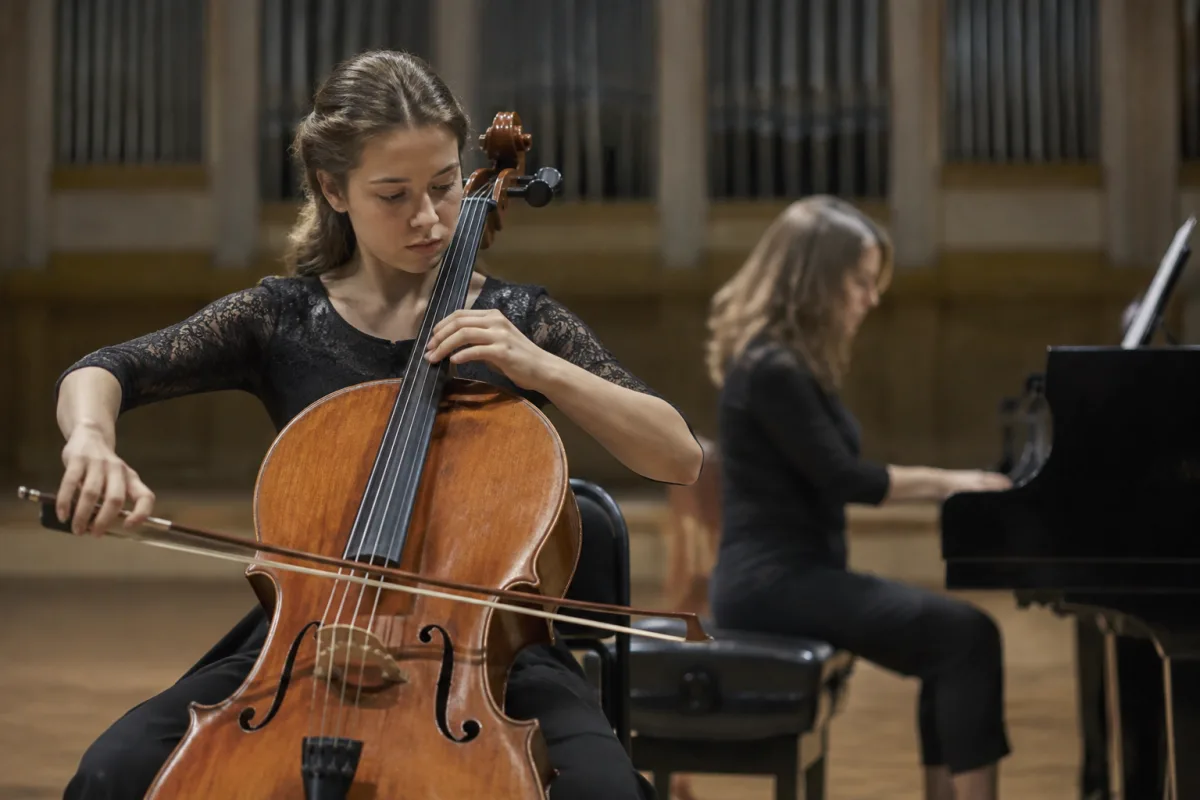
Music grade 1 is your entry point into formal music qualifications. Knowing what the exam requires, how long to prepare, and which strategies work best transforms grade 1 from intimidating to achievable. This guide walks you through everything grade 1 entails, the specific requirements you'll face, realistic preparation timelines, and proven strategies for passing confidently.
What Music Grade 1 Actually Requires
Whether you're pursuing Trinity or ABRSM grade 1, the core requirements are virtually identical: three pieces (you perform all three), scales and arpeggios (demonstrating foundational technique), sight-reading (reading unfamiliar music on the spot), and ear training (listening exercises).
Three Performance Pieces. You choose from an approved list of beginner pieces, typically lasting 1–3 minutes each. Your exam panel assigns the pieces in advance, so preparation is specific, not surprise-based. Pieces should demonstrate different techniques and styles—a lively piece, a peaceful piece, and often a technical piece requiring finger work or coordination.
Scales and Arpeggios. You perform basic scales and arpeggios in assigned keys. Grade 1 typically requires major scales in one or two octaves. This sounds technical but simply means playing C major, G major, D major etc. up and down. It's foundational but essential—examiners assess technique, intonation, and control through scales. Don't underestimate scale practice.
Sight-Reading. You receive a piece you've never seen and perform it cold. Grade 1 sight-reading is very simple—usually 4–8 bars of basic melody with obvious rhythm. The expectation isn't perfection; it's showing you can recognise notes, read rhythm, and attempt playing unfamiliar music.
Ear Training. You listen to short melodic or rhythmic phrases and respond—identifying if a second melody was higher or lower, whether rhythm matches a given pattern, or recognising simple intervals. Grade 1 ear training is extremely basic. Most candidates score well here with modest preparation.
Total exam duration: 20–25 minutes.
Grade 1 Requirements Comparison Table
| Element | What You Prepare | Time Required | Difficulty Level |
|---|---|---|---|
| Performance Pieces | Three pieces from approved list | 3–4 months | Beginner (simple melodies, basic technique) |
| Scales and Arpeggios | Major scales in 2–3 keys, one octave | 2–3 months | Foundational (even and controlled) |
| Sight-Reading | General note recognition and rhythm | 1–2 months practice | Very Easy (4–8 bar simple melody) |
| Ear Training | Listen and respond to prompts | 2–3 months practice | Easy (interval recognition, rhythm matching) |
Realistic Preparation Timeline
Month 1: Foundation Building. Begin learning your three pieces simultaneously. Don't aim for perfection; focus on accuracy and comfort. Introduce basic scale practice—5 minutes daily on your primary key. Ear training: 10 minutes weekly listening to simple melody examples.
Month 2: Developing Fluency. Two pieces should feel reasonably comfortable; the third is progressing. Scale practice extends to all required keys. Dedicate 5 minutes per scale, daily rotation. Sight-reading: practise reading new, simple melodies twice weekly for 10 minutes. Ear training intensifies to 15 minutes weekly.
Month 3: Refinement and Confidence. All three pieces are mostly memorised; focus shifts from learning to polishing. Play full pieces without stopping, even if imperfect. Scales are fluid and controlled. Sight-reading practice expands to three times weekly. Ear training: move toward exam-level intensity (20 minutes weekly).
Month 4: Polish and Mock Exams. Final polish on all pieces. Scales should feel automatic. Mock exam conditions: set a timer, perform pieces in order, attempt sight-reading cold, simulate ear training. Identify weak points and drill specifically.
Month 5: Booking and Final Confirmation. Book your exam. Final weeks are about confidence maintenance, not learning new material. Focus on performance flow and anxiety management.
Absolute minimum preparation time: 3–4 months with consistent practice (30–45 minutes daily). Ideal: 5–6 months.
What Music Grade 1 Examiners Actually Assess
Understanding what examiners listen for prevents misdirected practice. They're assessing:
Technical Accuracy. Can you play notes in the right pitch and rhythm? Grade 1 examiners accept minor stumbles; they're assessing fundamentals, not perfection. Playing all notes correctly matters more than beautiful tone.
Rhythmic Control. Do you maintain steady tempo throughout each piece? Speeding up or slowing dramatically scores poorly. Examiners literally listen for whether your rhythm stays even.
Instrument Technique. Is your posture correct? Are you holding your instrument properly? Is your breath control (for wind players) or finger technique (for string/keyboard players) appropriate? Poor technique reveals insufficient preparation.
Musical Intention. Do you demonstrate understanding of the piece—following tempo marks, showing differences between pieces, playing with basic musicality rather than mechanical roboticism? This matters less at grade 1 but still factors in.
Scales Execution. Scales should be even, controlled, and in tune. Not lightning-fast or showy; just clean and steady. Rough or uneven scales lose marks even if technically correct.
Sight-Reading Attempt. Examiners don't expect perfection; they assess whether you recognised notes, attempted the rhythm, and made a genuine effort. A reasonable attempt at an unfamiliar piece scores adequately.
Ear Training Responses. Straightforward listening; correct answers score points. You don't need musical genius; you need basic listening awareness.
Common Preparation Mistakes
Mistake 1: Learning Pieces at Performance Tempo. Many learners practice pieces fast from day one, building sloppiness and errors. Start pieces at 60–70% performance tempo, focusing on accuracy. Increase tempo gradually only after notes and rhythm are solid. Slow practice prevents bad habits.
Mistake 2: Neglecting Scales Until Two Weeks Before Exam. Scales are technical foundation. Practise them from month one, even if briefly. Two weeks isn't enough to develop control and consistency. Scale nervousness before exams usually reflects insufficient preparation time.
Mistake 3: Memorising Everything. Grade 1 allows reading from sheet music. Memorising adds unnecessary stress and doesn't impress examiners. Memorise if it helps; perform from music if it's safer. Examiners don't care which you choose.
Mistake 4: Ignoring Sight-Reading Until Six Weeks Before Exam. Sight-reading is a skill requiring practice. Introduce it in month 2, not six weeks before. Even brief weekly practice (10 minutes) prevents panic and develops basic competence.
Mistake 5: Practising Alone Without Feedback. Most candidates benefit from teacher guidance—someone identifying technical problems and suggesting improvements. Practising alone often reinforces errors. Teacher feedback, even occasional (twice monthly), dramatically improves outcomes.
Practical Preparation Checklist
Use this checklist to assess your readiness for grade 1:
- Have you selected your three pieces and begun learning all three?
- Are all three pieces reasonably comfortable (playable without stopping)?
- Can you play major scales in your required keys cleanly and evenly?
- Have you practised sight-reading at least weekly for two months?
- Have you completed 8+ ear training practice sessions?
- Have you performed a mock exam (all elements in sequence, timed)?
- Does your teacher believe you're exam-ready?
- Can you perform all three pieces without stopping, maintaining tempo?
If you've answered yes to six or more, you're ready to book an exam.
Managing Exam Nerves
Nervousness is universal—even experienced musicians feel exam jitters. Grade 1 examiners understand beginner nerves; they're assessing your best attempt, not your peak performance. Here's what helps:
Practise performance conditions: perform your pieces for family, record yourself, perform for your teacher. Repetition normalises the performance experience.
Remember your pieces are approved-beginner difficulty. You've chosen them specifically because they're within your capability. Examiners expect grade 1 performances to sound like grade 1 performances—competent but not brilliant.
Nerves usually affect you more than examiners notice. A performance that feels shaky to you sounds reasonably competent to them.
Arrive early, use the tuning room, and take deep breaths. Simple nervous-system management prevents panic.
Maximising Your Grade 1 Pass
Grade 1 has two components: pass or fail isn't how it works. You receive a grade: distinction (high pass), merit (solid pass), or pass (bare pass). All are valid completions. Here's how to score well:
For Pass: prepare adequately, play all pieces cleanly without stopping, demonstrate basic technique. Achievable with three months' solid practice.
For Merit: prepare thoroughly, demonstrate musical understanding, play confidently. Requires 4–5 months' preparation and consistent practice.
For Distinction: prepare excellently, perform with confidence and artistry, demonstrate exceptional technique. Requires dedicated 5–6 months' preparation with high-quality instruction.
Don't stress about grades initially. Your first goal is passing; distinction is a bonus. Once you pass, subsequent grades reward increased preparation and improved technique more obviously.
After Grade 1: Next Steps
Most musicians move directly from grade 1 to grade 2, adding incremental difficulty. Grade 2 requires similar preparation time but slightly harder pieces and scales. The progression feels natural—you're building systematically rather than jumping difficulty.
For comprehensive guidance on grade progression, specific piece recommendations, and how grade 1 fits your longer musical journey, see our complete guide to music grade 1. That resource covers piece selections, detailed requirement explanations, and long-term grade planning.
Grade 1 is achievable for any committed learner with three to six months' solid practice. The specificity of requirements removes mystery; the difficulty level is genuinely beginner-friendly. Prepare systematically, manage your nerves, and you'll pass confidently.


Comments