


Cello Lessons article
The Ultimate Guide to Cello Lessons
Cello lessons establish posture, bow control and intonation from the start, preventing technique problems that become difficult to correct. This guide explains what to expect, different lesson formats, and how to find quality instruction.
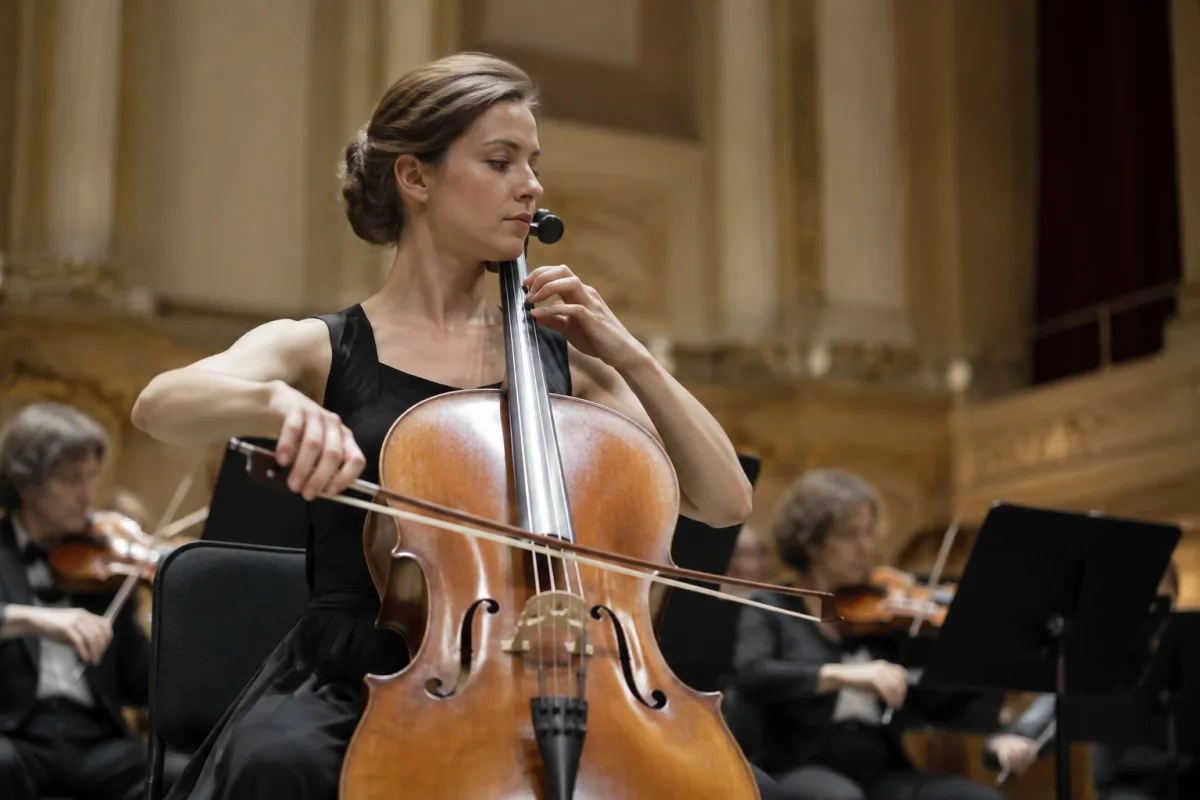
Learning the cello is a deeply rewarding pursuit, but it requires the right guidance from the start. Cello lessons are most effective when they combine regular, consistent instruction with professional technique supervision and daily practice. A good teacher establishes posture, bow hold, intonation and instrumental care before a student develops habits that are difficult to correct later. This guide covers what to expect from cello lessons, different teaching approaches, and how to find the right instruction for your needs.
Why Cello Lessons Matter
The cello is a physically demanding instrument with no frets or built-in guides. Unlike a guitar or piano, achieving good tone and intonation on the cello requires accurate hand positioning, balanced posture and refined bow control. Cello lessons taught by experienced instructors establish these fundamentals before bad habits develop. A teacher's supervision in the first weeks and months prevents technique problems that become progressively harder to correct. Without professional guidance, beginners often develop tension, poor bow control and inaccurate intonation that requires years of remedial work to fix.
What Professional Cello Lessons Should Cover
A well-structured cello lesson combines several essential components. First comes instrument setup and posture: how to sit, position the endpin, balance the cello on your body, and hold yourself with relaxed confidence. Second is bow technique: the bow hold, contact-point control, speed management and the ability to change strings smoothly. Third is left-hand work: finger placement, pressure control, position shifts and ultimately vibrato. Fourth is intonation training through listening, ear exercises and feedback from your teacher. Fifth comes rhythm, music reading and eventually scales and arpeggios. Finally comes repertoire—actual pieces and songs that make learning enjoyable and musical rather than purely technical.
The order matters. Beginning students who dive straight into songs without establishing a stable bow hold or correct posture often reinforce tension and inefficient technique. A qualified cello lesson teacher builds skills in the right sequence, checking each element before moving forward.
Posture and Technique Fundamentals
Cello lessons always begin with posture. The player sits toward the front of the chair with the back upright but relaxed. Both feet rest on the floor. The cello sits on the inside of your knees, centered on your body, with the upper bout resting against your chest. The endpin adjusts so the instrument is stable and the scroll is properly elevated—commonly positioned with the C peg behind your left ear and the top of the cello near the centre of your chest, though exact positioning varies with body proportions and teacher preference.
Modern cello pedagogy emphasises balance and working with gravity rather than gripping or tensing. Your hands, shoulders and neck should work efficiently without unnecessary force. Good cello lessons introduce this principle from day one because tension acquired early becomes habitual and difficult to eliminate.
The bow is responsible for most of the cello's tone. Cello lesson teachers train students to hold the bow flexibly, keep it parallel to the bridge, control its contact point and speed, change strings smoothly, and use the full length of the bow efficiently. Traditional bow hold places the thumb beneath the stick near the frog with a relaxed, curved hand shape, though pedagogical schools vary in their specific approach.
Learning Formats: Private, Group, Suzuki and Online
Cello lessons are available in several formats, each with distinct advantages and appropriate contexts.
Private lessons with an experienced cellist are the gold standard for serious learners. A weekly private lesson—typically 30, 45 or 60 minutes—allows your teacher to observe and correct your technique, answer questions about practice, and adjust the lesson to your learning pace and goals. One-to-one instruction is adaptable to any age or learning style.
Suzuki method cello lessons emphasise listening, imitation, repetition and parental involvement for young students. Many Suzuki programs encourage learning by ear before or alongside reading music. The Suzuki approach is particularly effective for young children and families committed to home practice, but it suits some learners better than others. Prospective families should ask how reading, theory, scales and independent practice are integrated into the program.
Group cello classes offer lower cost and ensemble experience but provide less individual correction. They work best when supplemented by private lessons that address each student's specific technique needs.
Online cello lessons have become increasingly viable for older children and adult learners. Remote instruction works well for continuing students who already have basic technique, learners in areas with limited local teaching options, and supplementary lessons focused on repertoire coaching or practice checks. However, online lessons cannot fully replace in-person instruction for absolute beginners, particularly in establishing posture and correcting hand position. Where possible, beginners benefit from initial in-person assessment to ensure the cello is properly set up and playable.
Cost and Accessibility
| Lesson Format | Typical Cost | Duration | Best For |
|---|---|---|---|
| Private lessons (independent teacher) | £60–£150 per lesson | 30–60 minutes | Any age or experience level |
| Private lessons (conservatory/institution) | £800–£1,500 per term | Package of lessons | Serious students, structured curriculum |
| Suzuki program | £800–£1,500 per term | Weekly private + group class | Young children, family-focused learning |
| Group class | £30–£60 per lesson | 45–60 minutes | Motivation, ensemble experience, budget-conscious |
| Online lessons | £40–£100 per lesson | 30–60 minutes | Continuing students, supplementary instruction |
Regional variation is significant. A cello lesson in London will typically cost more than the same lesson in a smaller city or rural area. Experienced teachers and teachers with advanced qualifications generally charge higher fees than less experienced instructors. Most serious learners commit to a weekly 30 or 60-minute lesson, though practice schedules and lesson frequency should match the student's goals and available time.
Finding the Right Cello Lesson Teacher
Quality matters enormously. Look for a teacher who has substantial playing experience and formal cello training. Ask whether they've studied pedagogy or teaching methodology. An excellent teacher should be patient, able to explain clearly why you're learning something, and willing to modify their approach if a particular method isn't working for you. Many teachers offer a trial lesson at reduced cost or no cost—use this to assess whether the teaching style suits you.
Ask prospective teachers about their approach to technique: how they establish posture, teach intonation, introduce vibrato and balance technical exercises with repertoire. A teacher who rushes students into advanced material without solid fundamentals may produce music quickly but with shaky technique. The best instruction prioritises technique first because it makes all future progress possible.
Practice Between Cello Lessons
The lesson is only part of the learning process. Consistent daily practice—even 20 or 30 minutes—far outweighs occasional long practice sessions. A typical practice routine might include warming up on open strings and basic exercises, working on whatever technique your teacher emphasized in the most recent lesson, reviewing and refining previously learned pieces, and learning new repertoire. Good cello lesson teachers give specific, written practice assignments so you know exactly what to work on and how to spend your practice time effectively.
When to Start and How to Progress
The cello can be started at nearly any age, though young children (under six) may find the physical demands and required concentration challenging. Most beginners start between ages 7 and 10, though many adults begin learning in their 40s, 50s or later with excellent results. Progress is usually measured in months and years, not weeks. A typical beginner might expect to play simple recognizable melodies within six months to a year of consistent weekly lessons and daily practice.
Conclusion
Cello lessons are an investment in learning a complex, rewarding instrument correctly. A qualified teacher establishes posture, technique and musical understanding from the beginning, preventing problems that would otherwise require years to correct. Whether you choose private instruction, a Suzuki program, group classes or supplementary online lessons, finding a knowledgeable, patient teacher is essential. Combine regular cello lessons with consistent daily practice and you have the foundation for genuine progress and lasting musical enjoyment.




Comments