


Rack Mount Synthesizer article
Rack Mount Synthesizer for Beginners: A Complete Guide
A rack mount synthesizer is an affordable, space-efficient way to start your synthesis journey. This guide walks you through the basics, gear you need, and why beginners often prefer this format.
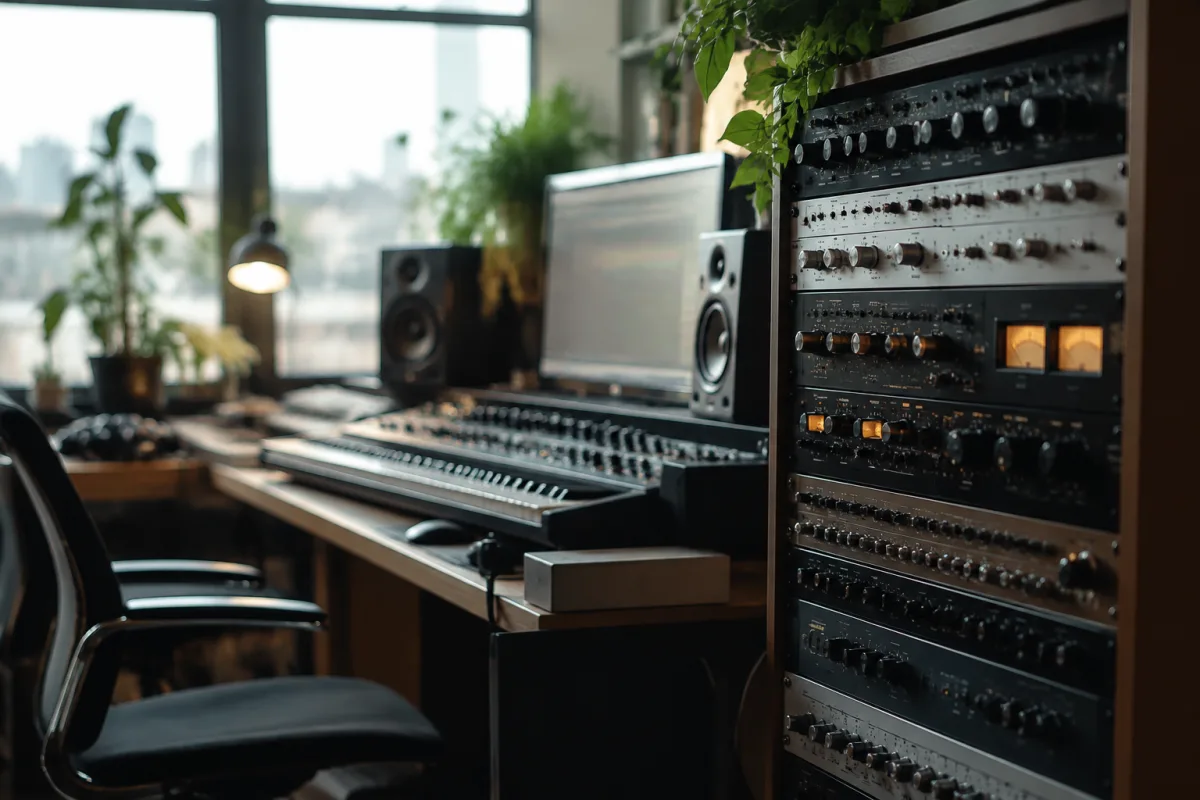
If you're considering a rack mount synthesizer for the first time, the format might seem intimidating. Unlike keyboard synthesizers with built-in keys, these are compact, modular units that you control externally. This guide demystifies the format and shows you why beginners often find it more flexible and affordable than traditional options. For a deeper dive into synthesis and sound design, check our complete guide to rack mount synthesizers, but here we're focused on getting you started with confidence.
What Is This Format?
A rack mount synthesizer is a compact, self-contained sound module that lives in a studio rack or on a shelf. It has no built-in keyboard; instead, you control it with an external keyboard, sequencer, or DAW (Digital Audio Workstation). The unit itself is small — typically the size of a 19-inch rack module or smaller — making it perfect for space-conscious setups.
The advantage for beginners is significant: this format costs substantially less than keyboard synthesizers with the same sound quality and features. You simply buy the sound module separately from the controller you prefer, giving you complete flexibility over your setup.
Why Beginners Often Choose This Format
This approach appeals to beginners for several practical reasons:
- Affordability: High-quality sound for a fraction of the cost of an equivalent keyboard synth. Beginners can own professional-sounding instruments without spending a fortune.
- Space efficiency: Compact, stackable, and rack-mountable. Perfect for bedroom studios or limited space setups. This format takes up far less room than a keyboard.
- Flexibility: You choose your own controller. Use a 49-key keyboard, a sampler, a step sequencer, or just your DAW. This adaptability suits different music styles and workflows.
- Sound quality: Don't let the small size fool you. Professional synthesis engines deliver rich, detailed sounds rivalling much more expensive instruments.
- Upgrade path: This format integrates easily into a growing studio. Add more controllers, effects, or modules without replacing your core sound engine.
Understanding the Basics: What You'll Control
The module has controls on its front panel for parameters like filter cutoff, envelope, LFO, and effects. But since there's no keyboard built in, you'll use external controls to play notes. Beginners typically start with one of these approaches:
- Connect a keyboard controller: Most beginners pair their module with a USB keyboard controller (usually 25–61 keys). The keyboard sends MIDI notes to the synth, which produces the sound.
- Use DAW sequencing: Record and arrange patterns in your computer using your DAW (Logic, Ableton, Cubase, etc.). The DAW sends MIDI to the unit, and you tweak parameters on the front panel.
- Use a step sequencer: A dedicated sequencer sends timed note data to your rack mount synthesizer. This approach is popular in electronic music production and allows for precise, repetitive patterns.
Getting Your First Unit
When choosing your first instrument of this type, prioritise playability and inspiration over raw feature count. A unit that excites you will get used; an overly complex one often gathers dust.
Entry-level options (£200–500) offer excellent sound quality and intuitive controls. Mid-range units (£500–1,500) add advanced synthesis, more presets, and deeper editing. Premium models (£1,500+) offer unique sound design capabilities and build quality. For beginners, entry-to-mid-range is ideal — you get solid performance without overwhelming complexity.
Look for a module with these qualities: clear interface with knobs and faders you can physically touch (not just menus), diverse sound palette (subtractive, wavetable, FM — whatever appeals to you), and good preset library for inspiration. Try before you buy if possible; the interface needs to feel good to you personally.
Common Beginner Misconceptions
Here are worries beginners often voice — and the reality:
- "Do I need to understand synthesis to use this equipment?" No. Start with presets and tweak simple parameters like cutoff and resonance. Understanding synthesis comes naturally as you explore. Many professionals work primarily with presets.
- "Will I need to buy expensive extra gear?" Not necessarily. At minimum, a keyboard controller (£50–150) and a cable (£10). That's it. Expand later if you want more controllers or effects.
- "Is MIDI hard to set up?" Modern USB MIDI works plug-and-play. Your DAW or sequencer recognises the controller automatically in most cases. Setup takes minutes, not hours.
- "Is this format outdated?" Absolutely not. Major manufacturers still release new models regularly. The format is popular in studios, live rigs, and home setups precisely because it's efficient and affordable.
- "Can I make real music with this type of equipment?" Thousands of professional tracks and albums use these modules exclusively. If the sound inspires you, you can make anything you want.
Setting Up Your First Unit
The physical setup is straightforward. Place your module on a shelf or in a rack beside your controller. Connect the MIDI input to your keyboard controller using a MIDI cable (or USB if available). Connect the audio outputs to an amplifier, audio interface, or mixer. That's it — you're ready to play.
If you're using your DAW to control your rack mount synthesizer, the setup is even simpler: open your DAW, select the synth as the MIDI output destination, and play with your mouse, keyboard, or controller. Most DAWs handle this automatically.
Learning to Make Sounds
Start by browsing the preset library. Play notes and listen to different sounds. When you find one you like, load it and start tweaking. Turn the filter cutoff knob down to get a darker sound, turn it up for brightness. Adjust attack and decay to change how quickly the sound responds. These three parameters — cutoff, attack, and decay — give you endless tweaking possibilities.
Don't worry about the advanced synthesis parameters yet. Focus on making sounds you enjoy playing. As you spend time exploring, synthesis concepts click naturally. Watch tutorial videos when you're curious about a specific feature, but let hands-on exploration be your main teacher.
Moving Forward
This format is a gateway into deeper music production. Whether you eventually want to expand to more modules, add effects, or dive into advanced sound design, you have a flexible, affordable starting point. The barrier to entry is low, but the ceiling for creative expression is limitless.
Start with whatever unit fits your budget and appeals to your ear. Spend time with it, explore its sounds, and watch your skills grow naturally. That's the beginner's path to synthesis mastery.


Comments