


Stream Mixer article
The Complete Guide to Stream Mixer
A quality stream mixer blends your microphone, music, and game audio into a professional-sounding broadcast. Find out how to choose and use the right one.
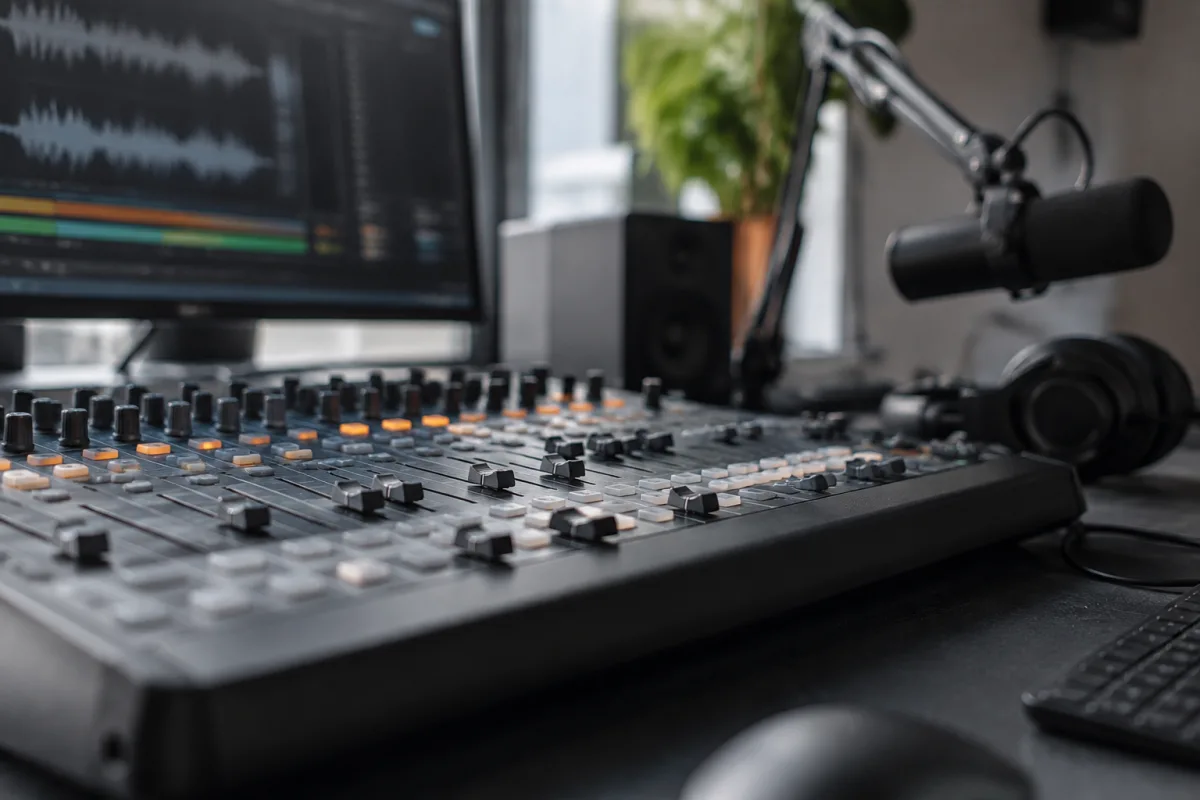
Whether you're streaming music, gaming, or podcasting, a quality stream mixer is essential for professional-sounding audio output. A stream mixer lets you blend multiple audio sources — microphone, music, sound effects, and system audio — into a single, polished mix that your audience hears. This guide covers everything you need to know to choose and use the right stream mixer for your needs.
What Is a Stream Mixer?
A stream mixer is a device or software application that combines multiple audio inputs into one cohesive mix. Unlike a traditional audio mixer used in studios or live performances, a stream mixer is optimized for broadcasting to platforms like Twitch, YouTube, or Discord. It allows you to control levels, add effects, and route audio precisely where it needs to go — all in real time.
Stream mixers come in two main forms: hardware units (compact physical devices) and software solutions that run on your computer. Each has distinct advantages depending on your setup, budget, and workflow preferences.
Hardware vs. Software Stream Mixers
Choosing between a hardware stream mixer and software solution depends on your needs and preferences:
- Hardware stream mixers offer dedicated physical controls, lower latency, and a professional feel. They're ideal if you want tactile faders and knobs and prefer not to share your computer's processing power with the mixer.
- Software stream mixers are more affordable, easier to update, and integrate seamlessly with your streaming software. They require only your computer and are perfect for streamers on a budget.
Key Features to Look for in a Stream Mixer
When evaluating a stream mixer, these features make the biggest difference:
- Input channels: Count how many audio sources you'll simultaneously mix. A typical setup needs 3–6 channels for mic, music, alerts, and game audio.
- Built-in effects: Reverb, EQ, compression, and noise gates clean up your audio and make it sound professional.
- Fade and crossfade control: Smooth transitions between audio sources prevent jarring jumps in level.
- Mute and solo buttons: Quickly isolate or silence specific channels for testing or during a broadcast.
- Output routing: A good stream mixer lets you send different mixes to different destinations (e.g. one mix to the stream, another to your monitor speakers).
- USB connectivity: Most modern stream mixers connect via USB for plug-and-play integration with streaming software like OBS or Streamlabs.
- Metering and monitoring: Visual level indicators and headphone outputs help you catch audio problems before they reach your audience.
Setting Up Your Stream Mixer
Proper setup ensures your stream mixer works at its best. Start by connecting all your audio sources — microphone, music player, computer, and any external devices — to the mixer's input channels. Route the main output to your streaming software or audio interface. If using a hardware stream mixer, connect it to your computer via USB and install any required drivers.
Next, set input levels carefully. Speak or play audio through each source and adjust the faders so the level meter sits around -12 to -6 dB on peaks. This leaves headroom and prevents distortion. Once levels are set, use the EQ and compression tools to refine the sound: tighten the bass if your voice sounds boomy, reduce sibilance in your treble if your 's' sounds harsh, and use compression to even out dynamic variations.
Test your stream mixer with a dry run before going live. Record a few minutes, play it back, and listen for any issues. Adjust as needed, then you're ready to stream with confidence.
Popular Stream Mixer Options
The market offers many excellent stream mixers across different price points. Entry-level options provide essential mixing, whilst mid-range and professional-grade devices add advanced features like wireless connectivity, touchscreen displays, and expanded I/O options. Consider your budget and feature needs, try out software options first if you're unsure, and upgrade to hardware once you've settled on your workflow.
Troubleshooting Common Stream Mixer Problems
If your stream mixer isn't working as expected, check these common issues:
- No audio: Verify all cables are connected, input channels are turned up, and the output is routed correctly in your operating system's audio settings.
- Distorted or crackling sound: Lower the input levels and reduce the output volume. Distortion typically means the signal is too hot.
- Latency or delay: If you hear yourself speaking with a delay, reduce buffer size in your audio driver settings or switch to a low-latency mode if available.
- One channel not working: Try a different input cable and check that the channel isn't accidentally muted. If the problem persists, test the channel with a known-good audio source.
Tips for Professional Streaming Audio
Master these techniques to elevate your streaming audio quality. Use a pop filter with your microphone to reduce plosive sounds. Leave a few decibels of headroom on your mix — aim for peaks around -6 dB rather than maxing out at 0 dB. Record a backup of your stream locally in case anything goes wrong with the broadcast. Enable noise suppression or gating to filter out background hum and keyboard clicks. Finally, monitor your audio throughout the stream using headphones connected to your stream mixer, so you catch problems immediately.
Conclusion
A stream mixer transforms raw audio inputs into polished, professional sound that keeps your audience engaged. Whether you choose hardware or software, the key is selecting a stream mixer that fits your budget and workflow, then spending time to learn its features properly. With the right setup and a bit of practice, you'll have broadcast-quality audio that sounds great across Twitch, YouTube, Discord, and beyond.


Comments