


Power Mixer Audio article
The Complete Guide to Power Mixer Audio
Power mixer audio combines mixing console and amplification in one unit. Discover features, advantages and how to select the perfect integrated system for your application.
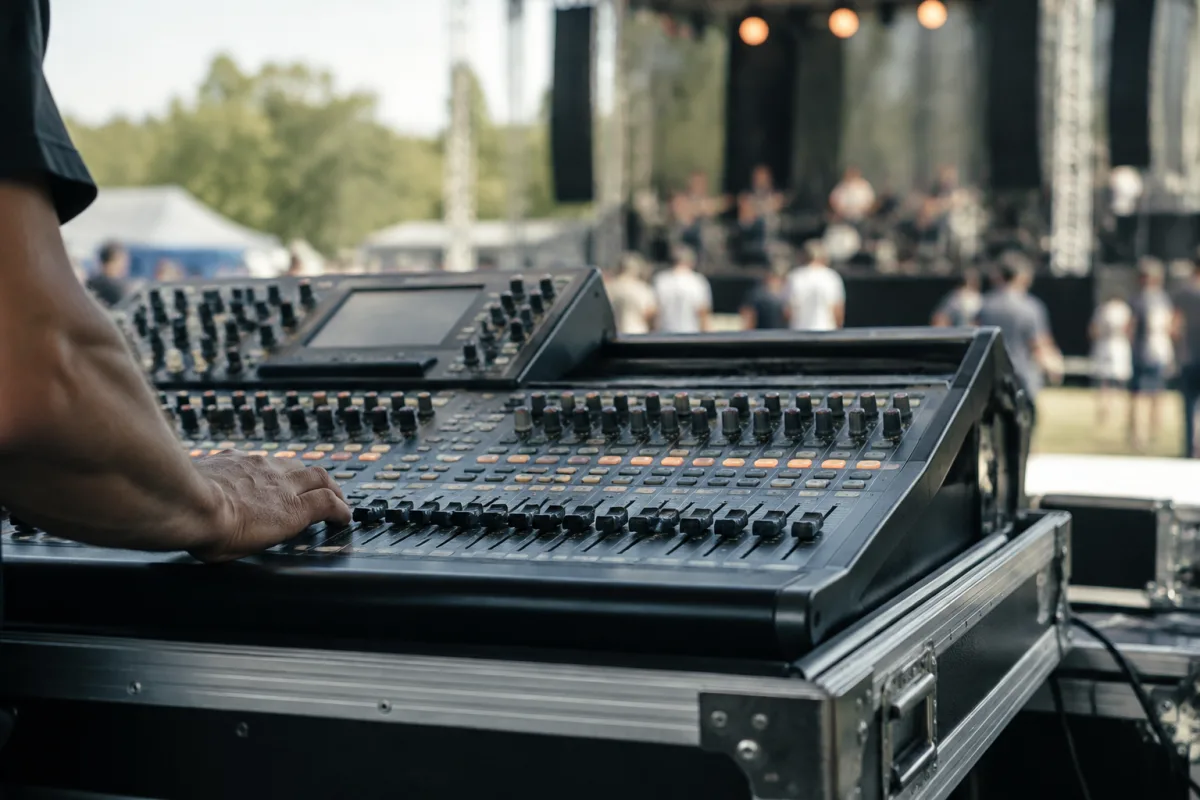
A power mixer audio setup combines mixing console functionality with integrated amplification, offering an elegant solution for performers, small venues and musicians seeking all-in-one audio management. Rather than requiring separate mixing desks and power amplifiers, a quality power mixer audio delivers both functions in a single, compact chassis. Understanding power mixers and their distinctive characteristics helps you determine whether this approach suits your performance or recording needs.
What Is a Power Mixer Audio?
A power mixer audio is a hybrid device combining an audio mixing console with built-in power amplification. Multiple inputs accept signals from microphones, instruments and other audio sources, which you blend using faders and controls, then route through integrated amplifiers to powered or passive loudspeakers. This integrated approach eliminates the need for separate mixing desks and external power amplifiers, reducing cable clutter, setup complexity and overall rig footprint.
Power mixers range from compact four-channel models suitable for acoustic performances to large-format consoles with 32+ channels powering significant venues and festival stages. Each configuration serves different applications, from intimate coffee-shop performances to professional touring rigs and permanent installations.
Core Components and Features
Understanding power mixer audio components helps you assess capabilities for your specific needs:
- Input channels: Each channel accepts audio from a microphone, instrument or line-level source, with dedicated faders controlling individual signal level.
- Equalization and processing: Most power mixers include basic three-band EQ per channel, allowing tonal shaping of individual sources without external effects equipment.
- Master fader: Controls overall output level from the integrated amplifier to your speakers, functioning as your primary volume control.
- Auxiliary sends: Route individual channel signals to effects units, monitor mixes or separate output destinations independently of the main mix.
- Integrated amplifier: Built-in power amp delivers 100–5000+ watts depending on the mixer model, eliminating separate amplifier requirements.
- Speaker outputs: Dedicated connections for powered or passive speakers, with options for stereo or mono configurations.
- Effects processing: Many models include onboard reverb, delay and other effects for performance enhancement without external gear.
Power Ratings and Amplifier Specifications
Power mixer audio amplifiers deliver varying power levels depending on the model and channel configuration. Compact models typically provide 100–500 watts total output, suitable for intimate venues and rehearsal spaces. Mid-range power mixers deliver 500–2000 watts, handling small-to-medium venues effectively. Professional touring models produce 2000–8000+ watts, powering large venues and festival stages.
Understanding power requirements for your speakers prevents inadequate amplification or system mismatch. Speaker efficiency ratings (sensitivity in dB) determine how loudly they play at given amplifier power — high-efficiency speakers need less power; inefficient designs demand powerful amplification for adequate volume. Matching your power mixer's output to speaker capabilities ensures balanced system performance.
Advantages of Power Mixer Audio Systems
Power mixers offer compelling benefits for specific applications:
- Space efficiency: A single chassis replaces separate mixing desk and power amplifier, critically important for portable rigs and compact performance spaces.
- Simplified setup: Single-unit configuration reduces setup time and cable complexity compared to multi-component systems.
- Cost-effective: Bundling mixing and amplification into one unit often costs less than purchasing separate professional components.
- Integrated solutions: Many power mixers include effects, EQ and processing that would otherwise require external devices.
- Portable performance: Lightweight, compact models enable solo performers and small ensembles to achieve professional audio without extensive equipment.
- Reliable performance: Single integrated amplification eliminates compatibility concerns between separate mixer and amp brands.
Limitations and Considerations
Understanding power mixer audio limitations prevents disappointment in demanding applications:
- Limited mixing complexity: Small power mixers offer fewer channels and processing options than professional mixing desks, limiting complex multi-source applications.
- Amplifier constraints: Built-in amplification often cannot be upgraded independently; replacing an underpowered mixer requires entire unit replacement.
- Signal path coupling: In some designs, mixer functionality and amplification share internal circuitry, occasionally resulting in compromised mixing features or amplifier performance.
- Professional scalability: Large-scale professional venues and complex installations often demand separate professional mixing and amplification components offering unlimited flexibility.
- Processing limitations: Built-in effects often lack the quality and flexibility of outboard effects units used in professional studios.
Applications and Use Cases
Power mixer audio excels in specific applications where integrated simplicity matters more than unlimited mixing flexibility. Solo acoustic performers use compact power mixers to manage a microphone and instrument into powered speakers without carrying separate components. Small venues employ power mixers for simple venue mixing, handling house sound reinforcement efficiently. Rehearsal studios use power mixers as cost-effective monitor systems for band rehearsals. Portable DJ setups benefit from power mixer integration, reducing gear footprint and setup time.
Professional touring rigs typically avoid power mixers in favour of separate professional mixing desks and amplification, where unlimited customisation and component upgrading matter. Yet power mixers increasingly appear in mid-level touring applications where practical simplicity and cost-effectiveness outweigh professional flexibility requirements.
Choosing a Power Mixer Audio
Your ideal power mixer depends on application, venue size and specific requirements. For solo performers and intimate settings, compact 100–300-watt models provide adequate power and simple operation. Small venues and rehearsal spaces benefit from 500–1500-watt systems handling multiple sources efficiently. Larger venues demand 2000-watt-plus models ensuring adequate volume and dynamic headroom. Consider channel count, built-in effects, auxiliary sends and speaker connectivity options matching your specific needs.
Conclusion
Power mixer audio represents a practical, space-efficient solution for performers and venues valuing simplicity and integration over unlimited professional flexibility. By understanding capabilities, power ratings and specific applications, you can determine whether a power mixer suits your needs or whether separate professional mixing and amplification components serve your ambitions better. For the right application, a quality power mixer audio delivers remarkable convenience and performance.


Comments