


Power Mixer Audio article
Power Mixer Audio for Beginners: A Complete Guide
A power mixer audio system combines mixing with built-in amplification in one unit. This guide helps beginners understand what they do and whether they're right for your setup.
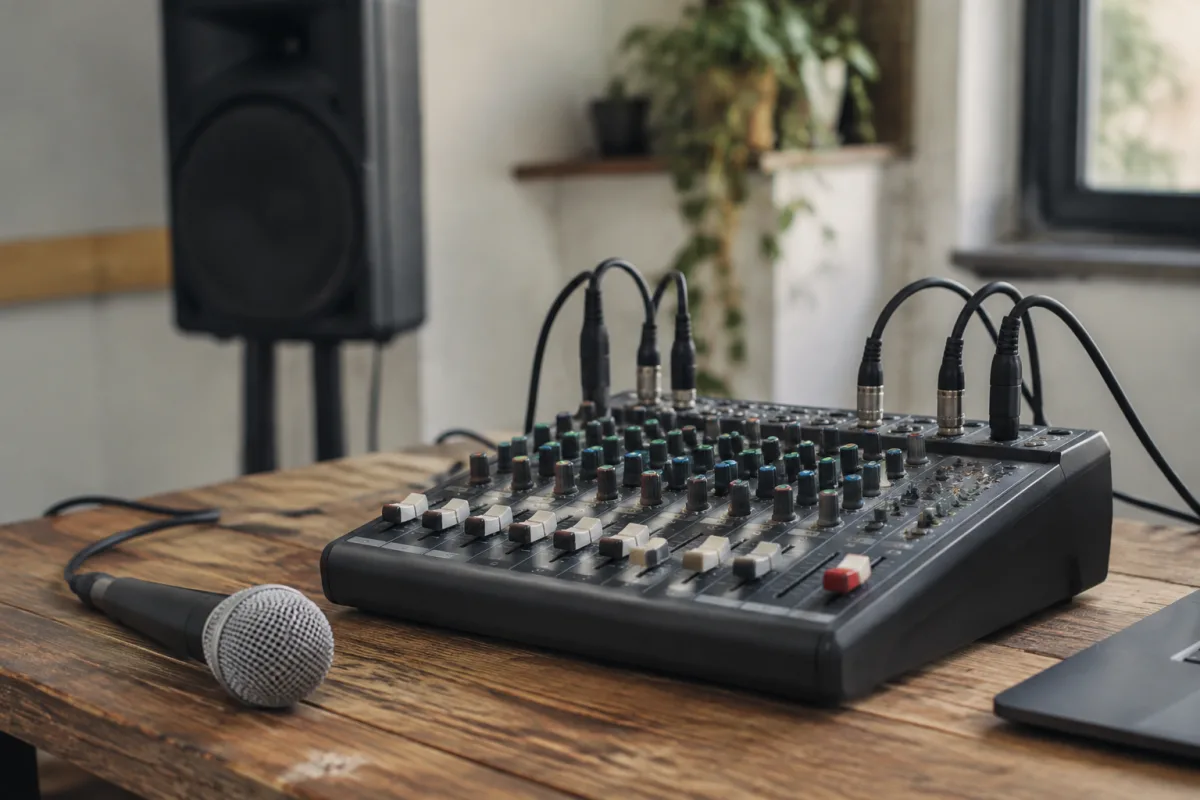
You're setting up your first small venue performance, hosting a podcasting studio, or establishing a basic home recording setup, and you're encountering terms like "power mixer audio" without clear understanding of what these devices actually do. A power mixer audio system combines mixing capabilities with built-in amplification—two essential functions in one unit. For beginners, understanding how power mixer audio works and whether you need one can seem overwhelming. This guide demystifies power mixer audio and helps you determine whether it's right for your setup.
What Is Power Mixer Audio?
Power mixer audio devices integrate two functions into a single unit: mixing (combining and adjusting multiple audio sources) and amplification (powering speakers). Traditional setups separate these—you'd use a passive mixer feeding into a separate amplifier. A power mixer audio unit eliminates this separation, making setup simpler and more compact. This integration appeals especially to beginners who appreciate the reduced cable complexity and space requirements.
Think of power mixer audio as a middleman between your audio sources (microphones, instruments, playback devices) and your speakers. It accepts multiple inputs, lets you control volume and tone for each one, combines them into a coherent mix, amplifies that mix to speaker level, and sends it out to your speakers. All these functions happen in one compact device.
Why Beginners Choose Power Mixer Audio
Several characteristics make power mixer audio attractive for newcomers. First, simplicity—fewer separate components mean fewer cables and connection points that can fail. Second, cost-effectiveness—buying power mixer audio integrated units often costs less than purchasing a separate mixer and amplifier. Third, portability—power mixer audio units are typically lightweight and compact, ideal for small venues, rehearsal spaces, or temporary installations.
Beginners also appreciate that power mixer audio solutions don't require external amplification expertise. You don't need to understand impedance matching or amplifier wattage specifications nearly as much. A power mixer audio unit handles these technical details internally, letting you focus on mixing and audio quality rather than equipment compatibility.
Key Features of Power Mixer Audio Systems
Every power mixer audio device includes several standard components. Input channels (typically 4-12 on beginner models) accept microphones and instruments. Faders for each channel control individual volume levels. A master fader controls overall output volume. Most power mixer audio units include built-in effects like reverb or echo. Equalisation controls let you adjust treble and bass on individual channels. The built-in amplifier provides watts of power to drive your speakers—beginner models typically range from 200-600 watts.
Understanding these features helps you evaluate power mixer audio options. Beginner musicians rarely need all channels, so a 4-channel or 6-channel power mixer audio unit often suffices. Similarly, basic EQ controls matter more than extensive effects libraries—you'll primarily adjust volume, gain, and treble/bass, not spend time editing complex effect chains.
Power Mixer Audio Versus Traditional Setups
The traditional approach uses a passive mixer (no amplification) connected to a separate amplifier and speakers. This offers maximum flexibility—you can swap components independently. However, it's more complex for beginners and requires understanding how components work together. Power mixer audio, by contrast, is simpler but less flexible. You can't easily swap the built-in amplifier if it fails, and upgrading components individually isn't practical.
For small venues, home studios, and rehearsal spaces, power mixer audio is often superior. For professional touring rigs requiring component upgrades and replacements, traditional setups offer better flexibility. As a beginner, power mixer audio typically provides the right balance of simplicity and capability.
Choosing Your First Power Mixer Audio Unit
Key considerations when selecting power mixer audio include channel count (how many devices you need to connect), wattage (how loud you need to be), and input types (do you need microphone and line-level inputs?). Most venues under 100 capacity work fine with 200-300 watt power mixer audio units. Larger spaces or outdoor venues need 500+ watts.
For input types, look for microphone preamps on at least 2-4 channels—these provide the gain and noise rejection microphones require. Line-level inputs (for keyboards, playback devices) can be simpler. Most beginner power mixer audio models include both, giving you flexibility.
Popular beginner power mixer audio brands include Behringer, Peavey, and Soundcraft. Entry-level models from these manufacturers cost 200-400 pounds and provide solid performance for learning. Don't overspend initially—as your needs become clear, you can upgrade intelligently later.
Setting Up Your Power Mixer Audio System
Basic power mixer audio setup involves connecting your audio sources to inputs, routing the main output to powered speakers, and adjusting levels. Here's the typical workflow:
- Connect microphones to microphone inputs using XLR cables
- Connect instruments and playback devices to line-level inputs
- Connect the master output to powered speakers using balanced cables when possible
- Turn on the power mixer audio unit and let it warm up for a minute
- Set all faders to minimum except the master fader
- Raise individual channel faders gradually whilst speaking/playing into each source
- Adjust the master fader so overall level peaks around -3dB to -6dB on the meter
- Fine-tune individual channel levels and EQ as needed
This methodical approach prevents feedback and surprises when you bring in sound. Never raise all faders at once or the master fader unnecessarily—this risks sudden loud noise that damages hearing and equipment.
Common Beginner Mistakes with Power Mixer Audio
Many newcomers push faders too high, resulting in distortion or feedback. Remember that clean audio at lower levels sounds better than distorted audio that's "louder." Start with conservative gain settings and increase gradually. Similarly, beginners often ignore ground loops—the humming sound that happens when improperly grounded audio cables create electrical loops. Ensure all equipment shares a common ground and use balanced cables wherever possible.
Another frequent error involves using a power mixer audio unit that's too small for the application. If you need to crank it to maximum volume to cover your space, you've chosen insufficient wattage. Adequate headroom (the ability to control volume comfortably without maxing out) improves sound quality and equipment longevity significantly.
Maintenance and Longevity
Proper care extends your power mixer audio device's lifespan. Keep it in a clean, dry environment away from moisture and excessive dust. Allow adequate ventilation around the amplifier so it doesn't overheat. Don't spill liquid on it—electronics and liquids don't mix well. Periodically check that all connections remain secure and cables aren't damaged.
For detailed information about audio mixing technology and advanced techniques, explore our complete guide to power mixer audio, which covers professional applications, component selection, and troubleshooting in depth.
Your Sound System Begins Here
A power mixer audio system offers beginners the simplest path to quality sound reinforcement. The integration of mixing and amplification eliminates complexity whilst providing sufficient capability for most small applications. Start with a modest power mixer audio unit, learn its features thoroughly, and expand your system as your needs evolve. With proper setup and care, your power mixer audio device will serve reliably for years, providing the foundation for countless performances, events, and recordings.


Comments