


Portable Synthesizer Buying guide
Portable Synthesizer: A Complete Buyer's Guide
Selecting a portable synthesizer requires balancing sound quality, portability, and interface complexity. This guide covers oscillator types, filter architecture, keyboard actions, polyphony, and battery versus USB power options.
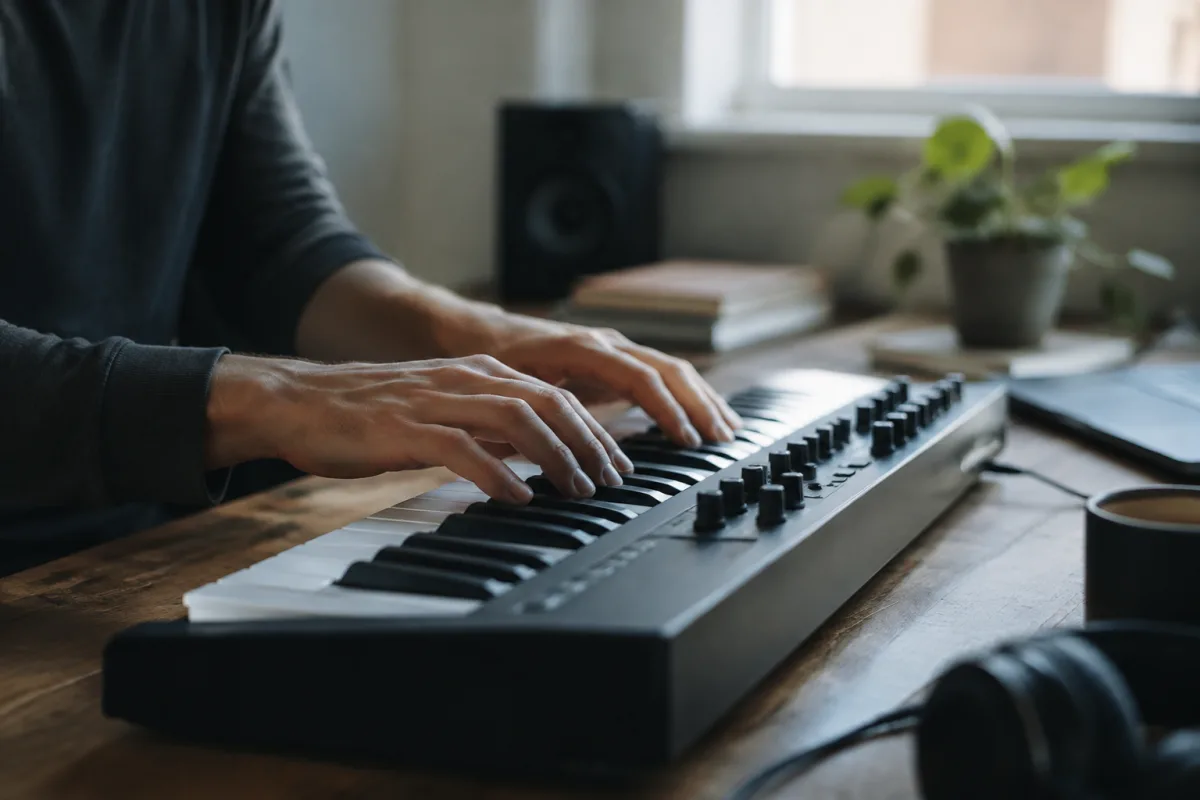
Selecting a portable synthesizer is a decision balancing sound quality, portability, interface complexity, and budget constraints. Unlike studio synthesizers requiring rack space and stable surfaces, portable models deliver professional synthesis in compact packages suitable for stage, studio overdubs, and creative sessions on-the-go. This guide focuses on what matters: oscillator types, filter architecture, keyboard actions, polyphony limits, and battery versus USB power options—helping you choose a synthesizer that matches your playing style and workflow demands.
Understanding Portable Synthesizer Categories
Portable synthesizers fall into distinct categories based on design and primary use case. Mono synthesizers produce single-voice outputs, ideal for basslines and lead melodies; they're typically smaller and more affordable. Polysynths generate multiple simultaneous notes, essential for chord work and complex arrangements. Semi-modular synthesizers offer extensive patching but retain compact form factors suitable for travel. Grooveboxes combine synthesis with drum machines and sequencers, appealing to producers and performers. Understanding which category aligns with your musical needs is the first step toward an informed purchase.
Key Specifications and What They Mean
When evaluating portable synthesizers, these specifications directly impact your satisfaction:
- Oscillator Types: Analog oscillators produce warm, vintage tones valued by performers and recording artists. Digital oscillators offer versatile wavetables and precise stability. Hybrid models combine both. For authenticity and character, analog-based instruments command higher prices; digital excels at breadth and modulation possibilities.
- Filter Architecture: The filter shapes your sound character. Moog-style ladder filters sound warm and smooth; state-variable filters offer more dramatic sweeps; multimode filters (lowpass, highpass, bandpass) provide versatility. Resonance and cutoff modulation capabilities matter as much as filter type.
- Polyphony: Number of simultaneous notes. Mono = single note; 4-voice paraphonic = four notes maximum. 8, 16, or 32-voice polyphony enables rich chords and layered textures. Determine your music style: bassists typically use mono; keyboardists need 6+ voices minimum.
- Keyboard Action and Keys: 25-key mini keyboards are lightweight and portable but fatigue fingers during extended play. 37-key semi-weighted keyboards offer compromise. 49-key unweighted keyboards provide professional key range with minimal fatigue. Weighted keys suit keyboardists but increase weight and cost.
- Power Options: Battery operation enables untethered performances; quality lithium batteries run 4-8 hours. USB power simplifies studio use but requires cables. Premium models offer both; budget options may feature only USB.
- Sequencer and Arpeggiator: Built-in sequencers enable rhythmic exploration and performance triggering. Arpeggiators generate patterns from held notes. Quality sequencers with multiple tracks and pattern banks are invaluable for producers; unnecessary for simple performers.
Price Tiers and Value Assessments
Portable synthesizers span diverse price points:
| Price Range | Typical Features | Best Suited For | Limitations |
|---|---|---|---|
| Budget (£200-500) | 25-key digital, limited filters, 4-8 voice, basic sequencer | Beginners, bedroom producers, experimentation | Shallow sound design options; basic keyboard feel; limited polyphony; minimal connectivity |
| Mid-Range (£500-1200) | 37-49 key, hybrid or analog-modelled, 16-32 voice, advanced sequencer | Gigging musicians, home studio production, semi-professional performers | May lack premium build quality; editing interfaces sometimes cryptic; less extensive modulation than flagship models |
| Premium (£1200-2500) | 49 keys, true analog or high-quality digital, full modulation, professional sequencer, MIDI I/O | Touring musicians, professional studios, sound design enthusiasts | Higher cost justifies for professionals; heavier than budget alternatives; may include features novices don't need |
| Ultra-Premium (£2500+) | Flagship models, premium analog, extensive CV/MIDI, dual filter sections, comprehensive sequencing | Elite performers, collectors, bespoke studio rigs | Diminishing returns for most users; niche market; weight and price premium disproportionate to sound quality gains |
Analog vs. Digital: Sound Character and Practicality
Analog synthesizers use voltage-controlled oscillators and filters, producing warm, slightly-unpredictable tones prized for their character and responsiveness to playing technique. They're typically heavier, generate heat, and require regular maintenance. Digital and digital-modelled synthesizers offer stability, recall accuracy, and extensive modulation options. Modern digital synthesis rivals analog warmth through careful sound design. Hybrid models combine analog sound generation with digital control and sequencing, offering balanced versatility. Your choice depends on whether you prioritise authentic analog character (leading to higher cost and weight) or practical functionality and portability (favouring digital).
Common Mistakes to Avoid When Purchasing
Underestimating Keyboard Size Impact: Playing a 25-key keyboard for an hour-long set causes finger fatigue and restricts melodic range. If gigging or extended studio sessions are planned, opt for 37+ keys despite added weight.
Ignoring Software Integration Needs: Some portable synths integrate poorly with DAWs. Verify MIDI implementation, CV outputs, and sequencer sync before purchasing if you plan integration with existing studio equipment.
Overlooking Connectivity: Limited CV/MIDI I/O restricts modular expansion and hardware integration. Check for sync inputs, MIDI I/O, and audio outputs suitable for your setup.
Confusing Specifications with Practical Performance: A 32-voice polysynth sounds impressive on paper; in practice, high polyphony often means shallower per-voice synthesis compared to 8-voice models. More voices don't guarantee better music.
Neglecting Build Quality and Warranty: Portable synthesizers endure transportation stress. Metal construction and robust components justify higher prices. Verify warranty coverage and manufacturer support reputation.
Interface Complexity: Menu Diving vs. Hands-On Control
Some portable synthesizers require extensive menu navigation through limited displays. Others provide knobs and buttons for most parameters, enabling real-time editing and performance expression. If hands-on interface matters (particularly for live performance), prioritise models with abundant hands-on controls, accepting trade-offs in number of available parameters. Conversely, studio-focused users often prefer deep editing capabilities accessible through displays, accepting less immediate tactile control for comprehensive sound design possibilities.
Power and Portability Considerations
Battery-powered synthesizers enable busking, impromptu sessions, and travelling performances. Quality lithium batteries (USB-rechargeable) are preferred over disposable batteries. Consider battery runtime—lightweight practice might require 4 hours; gigging demands 6-8 hours minimum. Desktop synthesizers requiring AC power suit studios better. Mid-weight portable models (2-4kg) balance portability and control surface; ultra-compact models sacrifice interface depth for minimal weight.
For comprehensive comparisons and detailed reviews of leading portable synthesizer models, explore our ultimate guide to portable synthesizers, featuring extensive analysis of top-tier instruments across categories.
Making Your Purchase Decision
Prioritise your primary use case: stage performance demands different features from bedroom experimentation. If possible, test models before purchasing—hands-on evaluation reveals how interface ergonomics, keyboard feel, and filter responsiveness match your expectations. Research user communities; portable synthesizer enthusiasts share experiences, creative tips, and workarounds for common limitations. Balance desired features against portability and budget constraints. An excellent instrument you'll actually carry and play outperforms a theoretically superior synthesizer gathering dust due to excessive weight or complexity.
Conclusion
Choosing a portable synthesizer requires balancing sound character (analog warmth vs. digital versatility), keyboard interface (compactness vs. playability), and practical considerations (power options, connectivity, build quality). Match specifications to your musical style and performance needs rather than chasing impressive-sounding feature lists. Whether you prioritise analog character, digital flexibility, or hands-on interface design, an informed decision grounded in specifications and tested experience will lead to a purchase you'll value and play for years.


Comments