


Portable Drum Kits Buying guide
Portable Drum Kits: A Complete Buyer's Guide
Portable drum kits offer flexibility traditional acoustic sets cannot match. This buying guide helps you navigate electronic, hybrid, and compact acoustic options to choose the kit matching your sound priorities and portability needs.
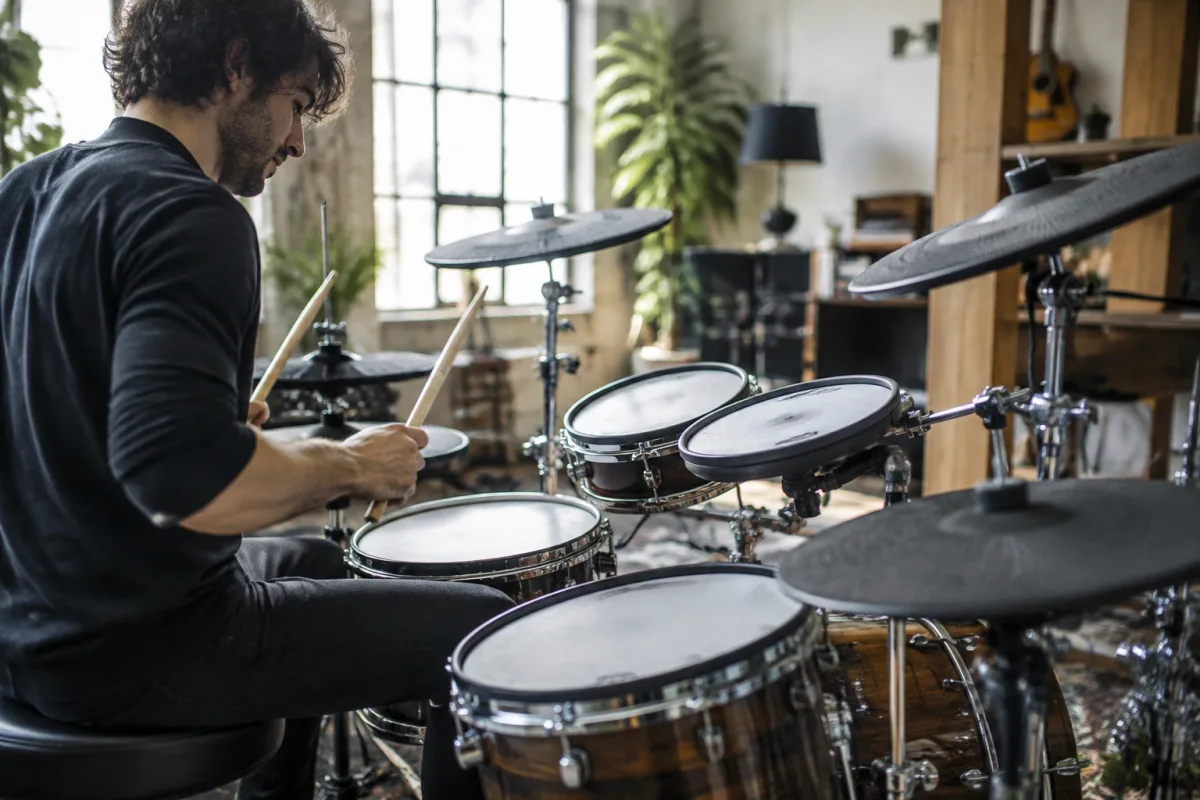
Portable drum kits open performance and practice possibilities that traditional acoustic drum sets cannot match. Whether you're a gigging drummer with space constraints, a beginner learning rhythms, or a producer seeking authentic drum sounds in compact form, choosing the right portable drum kit requires understanding the trade-offs between portability, sound quality, and price. This buying guide helps you navigate options and invest wisely in a kit matching your specific needs.
Understanding Portable Drum Kit Categories
The portable drum kit market divides into several distinct categories, each suited to different playing styles and budgets. Electronic drum pads—compact units with rubber or mesh heads connected to electronic sounds—offer maximum portability and versatility. Hybrid kits combine acoustic drum shells with electronic components, blending traditional feel with modern sounds. Ultra-compact acoustic kits sacrifice some depth for genuinely portable setup. Budget electronic modules provide basic functionality at attractive prices. Premium electronic kits offer sophisticated sound engines and realistic playing response. Understanding which category aligns with your priorities prevents expensive mistakes and ensures satisfaction long-term.
Sound Quality Versus Portability Trade-offs
Every portable drum kit requires compromising between authentic sound and genuine portability. Traditional full-size acoustic kits sound superior but weigh too much for transport. Portable acoustic kits preserve acoustic sound character whilst reducing weight—still a challenge for stairs. Electronic kits offer maximum portability but traditionally sacrifice the authentic feel and acoustic complexity prized by experienced drummers. Modern electronic kits narrow this gap significantly through advanced sound sampling and responsive pad technology. Before purchasing, honestly assess which factor—authentic sound or genuine portability—matters more for your situation. Prioritising both equally often means accepting neither satisfactorily.
Pad Quality and Playing Response
Electronic drum pad quality profoundly affects playing satisfaction, yet many buyers underestimate its importance. Rubber pads are affordable and durable but produce a bouncy, less responsive feel. Mesh pads feel more like acoustic drumheads and respond to subtle dynamic variation. Premium mesh pads incorporate response triggers that register both strike location and force, enabling sophisticated articulation. A common purchasing mistake is prioritising pad count (number of drums) over pad quality. Five responsive, quality pads deliver more musical satisfaction than eight poor-quality pads. Play demonstration models when possible; this brief experience reveals dramatically whether a kit's response matches your playing style.
Sound Module and Preset Variety
The electronic sound module (brain) controlling your kit's sounds determines versatility and creative potential. Budget modules include basic drum sounds—kick, snare, hi-hat, tom, percussion—sufficient for practice and simple gigging. Mid-range modules offer expanded drum kits mimicking different drum styles (jazz, rock, funk, world music), effects processing, and recording capabilities. Premium modules provide professional sound engines with thousands of kits, individual drum customisation, and sophisticated effects. Evaluate which sound palette serves your musical context. A jazz drummer needs different sounds than a rock player; buying a kit weighted toward genres you don't play is wasteful. Most buyers underestimate how quickly they'll want access to varied sounds.
Cymbal Quality and Options
Cymbals often receive less purchasing attention than drum pads, yet they're critical to your kit's feel and sound. Basic cymbals are thin, plasticky-sounding, and unresponsive. Quality cymbals incorporate realistic physics, responding naturally to strike dynamics and producing authentic sustain and resonance. Examine cymbal pads carefully; some include bow and edge response, meaning striking different locations produces different sounds like acoustic cymbals. Premium kits offer cymbal choice between sampled acoustic sounds and electronic triggers. If cymbal quality is poor whilst pad quality is excellent, your overall kit satisfaction suffers. Don't neglect cymbals in your purchasing evaluation.
Weight and Genuine Portability
Marketing often claims portability that real-world experience contradicts. A 30-kilogram "portable" kit genuinely portable? Not without assistance. Realistic portability requires weighing complete setup: the main unit, cymbal stands, kick pedal, throne, cables, and necessary cases or bags. Electronic drum kits typically range 15–30 kilograms, more realistic for solo transport. Hybrid kits run 20–40 kilograms. Compact acoustic kits can exceed 40 kilograms. Consider your actual transportation method. Does it fit your vehicle? Can you move it between rehearsal space and car without assistance? Will you actually transport it or will portability justify purchasing when a larger kit suits your situation better? Honest assessment prevents buyer's remorse.
Connectivity and Integration Features
Modern portable drum kits include MIDI connectivity, audio outputs, and sometimes Bluetooth, but understanding what you'll actually use prevents overpaying for unused features. MIDI connectivity matters if you'll trigger computer sounds or integrate with other equipment. Audio outputs are essential for performing through a sound system or monitoring during recording. Bluetooth is convenient for wireless audio from playback tracks but unnecessary if you're practising with headphones. Consider your intended use; gigging situations differ from home practice. Evaluate which connectivity features genuinely serve your musical workflow rather than purchasing every possible option.
Price Tiers and Value Assessment
Entry-level portable kits range from £200–400, offering basic functionality suitable for beginners learning drums or players prioritising maximum portability. Mid-range kits (£500–1000) represent the sweet spot for most serious practitioners, balancing sound quality, pad response, and affordability. Premium kits (£1200+) offer professional-grade sounds, superior pad response, and advanced features justifying their cost for gigging professionals. Budget-conscious buyers often overlook mid-range options, assuming higher prices guarantee proportionally better quality. Often, mid-range kits deliver superior value than both budget and premium extremes. Evaluate your actual needs rather than assuming highest price equals best purchase.
Headphone Quality and Monitoring
Most portable drum kits pair with headphones for practice and performance monitoring. Cheap headphones undermine kit quality; professional playing requires clear, accurate audio feedback. Confirm your kit either includes quality headphones or factor in £100–200 for decent monitoring headphones. Some players prioritise built-in speakers for rehearsal space without headphones. Verify speaker output quality; poorly implemented speakers muddy your sound. Planning your monitoring approach before purchasing ensures complete setup satisfaction.
Durability and Build Quality
Portable drums receive heavy use during transport and performance. Examine construction materials, pad durability, and hardware quality. Electronic modules with sealed designs resist moisture and dust better than open-circuit designs. Metal hardware outlasts plastic under rigorous touring. Documentation and warranty information suggest manufacturer confidence in longevity. Investing in build quality now prevents expensive repairs or replacement within a year or two of regular use. Premium construction costs more initially but amortises to superior value over years of reliable operation.
Return Policies and Support
Before finalising your portable drum kit purchase, verify return policies, warranty coverage, and support availability. Reputable manufacturers guarantee defects for 1–2 years and provide firmware updates for electronic components. Poor return policies suggest limited manufacturer confidence in quality. When purchasing online, insist on detailed specifications, multiple images, and clarity about return procedures. This diligence prevents expensive mistakes that become difficult to reverse.
For comprehensive information about portable drum kit specifications and advanced features, explore the complete guide to portable drum kits, which covers technical specifications and expert recommendations.


Comments