


Novation Synthesizer article
Novation Synthesizers: A Complete Guide
Novation synthesizers prioritise musicality and accessibility without overwhelming complexity. Explore why musicians choose Novation for intuitive synthesis and inspiring sound design.
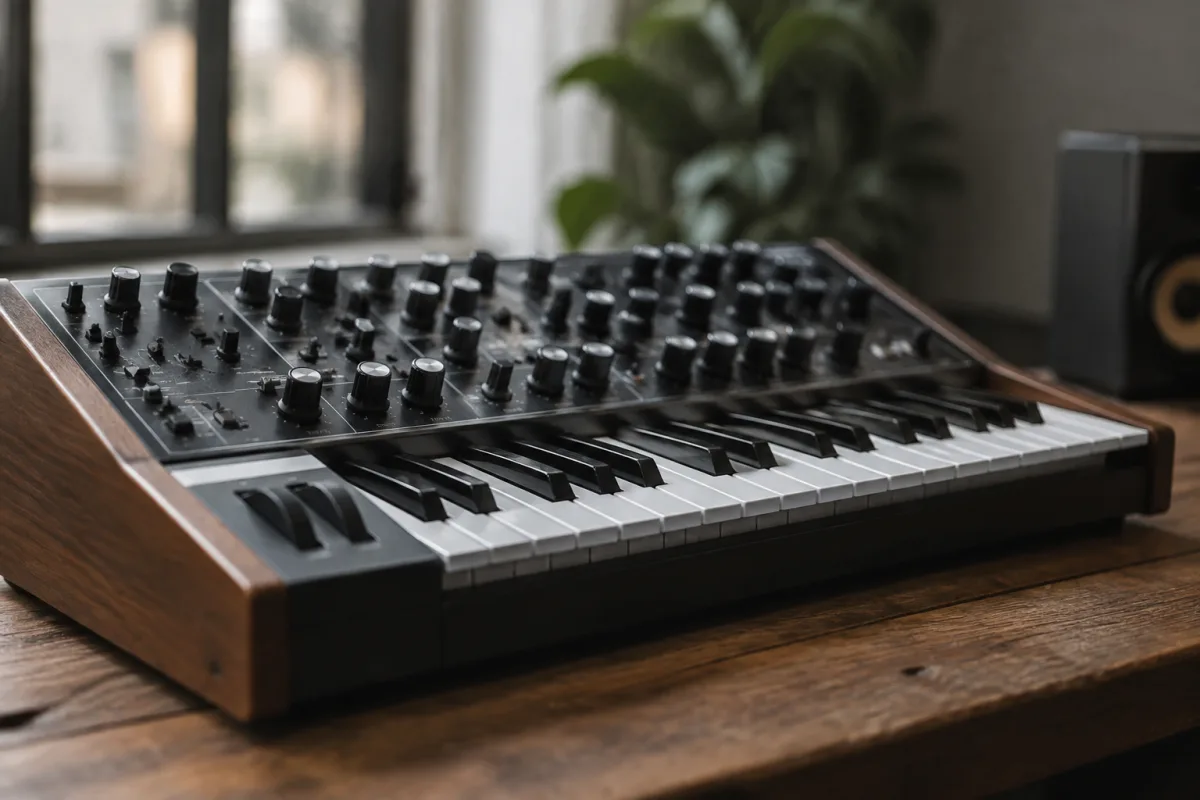
Novation synthesizers have earned a reputation as the thinking person's gateway into electronic music. Unlike some synthesizer brands chasing raw power or nostalgia, Novation prioritises musicality, accessibility, and modern workflow. Whether you're stepping into synthesis for the first time or returning to electronic music after years away, a Novation synthesizer offers intuitive workflow and inspiring sounds without overwhelming complexity.
The Novation Philosophy
Novation builds synthesizers for musicians, not synthesizer enthusiasts. That distinction matters. The company prioritises playability and immediate inspiration over feature-list bragging rights. Knobs and buttons do real things; there's no menu diving or confusing architecture. A Novation synthesizer rewards exploration—turn knobs, play sounds, discover character. This hands-on approach makes synthesis genuinely fun rather than frustrating.
The company has a 25+ year track record of building gear that sounds professional without demanding deep synthesis knowledge. Their designs consistently favour clarity and immediate usability without compromising sonic depth. This philosophy runs through every synthesizer Novation makes, from compact portable units to full-featured controllers.
The Bass Station Line
The Bass Station series is Novation's entry point—straightforward, affordable, and deceptively powerful. The Bass Station II is one of the finest affordable synthesizers ever built. Two oscillators, a filter worth exploring, simple LFO and envelope controls, and a sequencer that teaches synthesis fundamentals. What sounds basic is actually elegant—every control matters, nothing feels redundant.
The Bass Station II produces warm, characterful bass and lead tones. It's a monophonic synthesizer, meaning it plays one note at a time, which actually encourages focused playing and attention to parameter tweaking. The built-in sequencer is genuinely musical—users create actual productions on Bass Stations rather than just sketching ideas.
Price is remarkably reasonable for the capability. You're getting synthesizer knowledge plus inspiring sounds without overwhelming investment.
Peak: Polyphonic Possibilities
The Peak represents Novation's commitment to polyphonic synthesis—playing multiple notes simultaneously with rich, evolving textures. Six voices of polyphony means you can play chords, Layer oscillators, and create elaborate soundscapes. The design remains intuitive despite the complexity; every control is visible and immediately accessible.
Two oscillators per voice, multiple filters, flexible modulation routing, and a beautiful touch keyboard make Peak genuinely inspiring. It's the synthesizer for players who want serious depth without menu complexity. Everything you could want to tweak is there, visible, controllable.
Summit: The Flagship
Summit is Novation's flagship—imagine Peak with additional polyphonic voices, wavetable synthesis, and deeper modulation possibilities. Three oscillators per voice, eight voices of polyphony, and modulation routing that's genuinely flexible without becoming fiddly. Summit is the synthesizer for producers and performers who want all the tools.
The dual filter architecture (two filters per voice, used serially or in parallel) is particularly powerful. You're not just shaping sound; you're sculpting it with multiple tonal layers. Wavetable synthesis adds another dimension—morphing between complex waveforms creates movement and texture that fixed oscillators can't match.
Summit remains instantly playable despite its capability. Novation didn't hide complexity behind menus; they organised it logically and presented it comprehensibly.
Keyboard Controllers and MIDI Integration
Novation makes excellent MIDI keyboards and controllers. The Launchkey series provides hands-on control over production software—keys, pads, faders, all arranged for immediate musicality. The Launchpad and LaunchControl devices offer grid-based and fader-based interaction, perfect for electronic music production and live performance.
Integration with Ableton Live is particularly seamless—Novation keyboards were literally designed for Live, and the workflow is genuinely smooth. If you're using Live (which many electronic musicians do), a Novation controller feels natural.
Compact Versions: Portable Musicality
The Compact series shrinks Novation synthesizers into portable form factors. The UltraNova, Mini Nova, and MiniNova were groundbreaking for their time—serious sound in genuinely portable packages. Modern versions maintain this philosophy; you get Novation's sound character and workflow philosophy in instruments you can actually carry places.
Portability doesn't mean compromise. A Compact Novation has enough depth to keep you busy exploring. They're ideal for producers who move between studios, performers who want electronic sound without a full rig, or anyone starting synthesis without committing equipment budget.
Sound Character and Sonic Identity
Novation synthesizers have a distinctive sonic character—warm, slightly vintage-feeling, with excellent clarity. They don't sound ultra-modern or clinical; they sound musical and slightly lived-in. This character is part of the appeal. Patches on Novation synthesizers sound immediately inspiring rather than requiring extensive tweaking.
The filter designs are particularly good. Warm without being boomy, clear without harshness. The resonance sounds controlled and musical rather than characterless. Use a filter on a Novation synthesizer and you immediately understand why filter design matters—it's one of the best sonic features.
Build Quality and Durability
Novation synthesizers are built to work. The keyboards use quality keybeds (not cheap, plasticky action). Controls are robust and responsive. Build feels professional without excessive weight or overengineering. These instruments are designed for regular use in studios and on stage, and the construction reflects that.
Repair and support are straightforward. Novation maintains good documentation, spare parts are available, and the community is active with troubleshooting advice. You're not buying into a brand with uncertain support.
Learning Synthesis on Novation
Novation synthesizers teach synthesis well. The straightforward control layout means you see cause-and-effect directly—turn this knob, hear this change. There's no menu diving to hide the learning process. Students learn synthesis principles faster on Novation gear than on synthesizers with excessive complexity or unintuitive architecture.
Workshops and tutorials are abundant. The active community means you'll find YouTube guides, forum discussions, and shared knowledge about getting specific sounds and creative techniques.
Price Points and Value
Novation pricing is competitive. Entry-level synthesizers like Bass Station II cost £200–400 but deliver surprising capability. Mid-range options like Peak run £700–900, offering polyphony and depth. Premium gear like Summit costs £1500+, but the capability justifies the investment. Across price points, you're getting genuine value—good sounds, intuitive workflow, and durability.
The Secondary Market
Novation synthesizers hold value well. Older units like the UltraNova and Mininova remain desirable because they still sound great and work reliably. This is good news if you're buying used or eventually want to resell. The active market means fair pricing and eager buyers.
Limitations Worth Noting
Novation synthesizers aren't unlimited in architecture. If you want extreme modulation routing or access to every possible parameter via control voltage, specialist synthesizers offer more. If you need digital effects built-in, some Novation models require external processing. These are real limitations for specialist users but irrelevant for most players.
The Verdict on Novation
Novation synthesizers deliver serious musicality wrapped in accessible design. They're the right choice if you want to make music on synthesizers rather than spending hours menu diving. The sound is genuinely good, the workflow is intuitive, and the community is active and helpful. Whether you're starting synthesis or upgrading from older gear, a Novation synthesizer is reliably excellent.




Comments