


Novation Synthesizer article
Novation Synthesizer for Beginners: A Complete Guide
Novation synthesizers balance simplicity with genuine power—perfect for beginners exploring electronic music. This guide explains their philosophy, which models suit learners, and why Novation offers smart value for people starting synthesis.
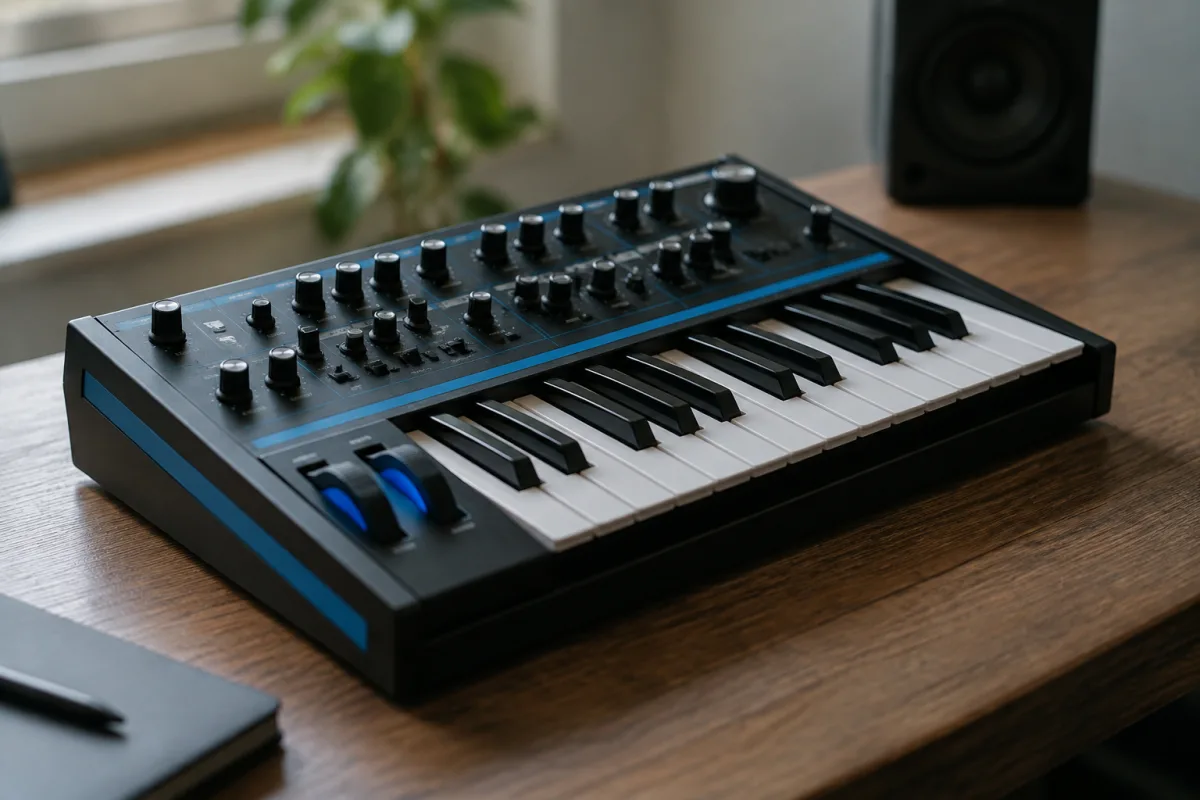
Novation synthesizers have been staples of electronic music production for decades, and they're unexpectedly beginner-friendly despite their power. If you're drawn to electronic music and wondering whether a Novation synth is a sensible starting point, this guide walks you through their philosophy, which models suit learners, and why Novation often represents smarter value than more famous synthesizer brands.
Who Is Novation and Why Should Beginners Care?
Novation was founded in 1987 and specialises in synthesizers, controllers and music software. The company has built a reputation for instruments that balance simplicity with power—you can learn synthesis basics on a Novation within days, but the instrument grows with your skills for years. Unlike synthesizer brands aimed at specialists (Moog, ARP), Novation deliberately designs for accessibility. Their tools are genuinely excellent for beginners exploring electronic music without requiring a PhD in sound engineering.
Novation Beginner-Friendly Models
Novation's entry-to-intermediate synthesizers sit in the £200–£600 range. The Bass Station series is excellent for learning bass synthesis and learning fundamental synth concepts. The Mininova is a compact synth offering surprising depth at an affordable price (around £200–£300 used, £400+ new). The Launchpad is technically a controller, but for beginners interested in beat-making and clip-based composition, it's genuinely accessible. Visit online demos and listen to what these instruments sound like before committing—your sonic preferences matter more than brand names.
Synthesis Learning Curve with Novation
Novation instruments expose synthesis fundamentals clearly. The controls directly show oscillators, filters, envelopes and LFOs—the core synthesis components. Learning on Novation teaches you actual synthesizer operation rather than menu-diving through obtuse interfaces. Once you understand Novation's approach, you can navigate any synthesizer confidently. This educational value is genuinely useful for beginners.
Software Versus Hardware: Novation Spans Both
Novation makes hardware synthesizers and software instruments. For beginners on tight budgets, their software (often bundled with hardware purchases) provides excellent synthesis education. For those preferring tactile playing and knob-tweaking, hardware is worth the premium cost. Don't assume software is inferior—Novation's software is genuinely excellent. The choice depends on your preference for physical interaction versus digital efficiency.
Integration with Production Workflows
Novation instruments connect to computers via MIDI, allowing control of DAWs and virtual synthesizers. This flexibility appeals to electronic music producers. However, beginners don't need production integration immediately—focus on learning synthesis first, then expand your setup later. Don't overspend on advanced features you won't use whilst learning.
Sound Character and Versatility
Novation synths are known for warm, deep basses and clear, precise sound character. They work brilliantly for electronic music across genres—techno, house, ambient, experimental. The sound isn't the warmest (that's Moog's domain) but it's genuinely professional-quality. You can create sounds on a Novation that compete with any professional studio.
Comparison to Other Beginner Synths
Korg synthesizers (Volca, Monotron) are cheaper but more limited. Teenage Engineering's OP-1 is quirky and fun but unconventional. Moog is the opposite of beginner-friendly and costs significantly more. Arturia offers software synthesizers for minimal cost. Novation sits in the sweet spot—affordable (£200–£600), genuinely powerful, and designed specifically for learning without sacrifice of professional capability.
Key Learning Advantages
First, Novation's straightforward interface teaches synthesis principles clearly. Second, extensive online tutorials exist—Novation has strong community support. Third, the instruments sound genuinely great immediately, which motivates continued learning. Fourth, moving from Novation to other synthesizers feels natural because you've learned core principles, not just button-pushing on one specific brand.
Potential Limitations
Novation beginner models have limited polyphony (can play fewer simultaneous notes) compared to larger synthesizers. They're single-synth engines rather than multi-timbral workstations. The sequencers are capable but less powerful than computer-based sequencing. These aren't dealbreakers for learning but are worth understanding. As your needs evolve, you might outgrow entry-level Novation and upgrade to larger systems.


Comments