


Native Instruments MIDI Keyboard article
The Ultimate Guide to Native Instruments Midi Keyboard
Native Instruments MIDI keyboards seamlessly integrate with Komplete software and your DAW. Discover weighted action options, built-in audio interfaces and how these controllers accelerate music production.
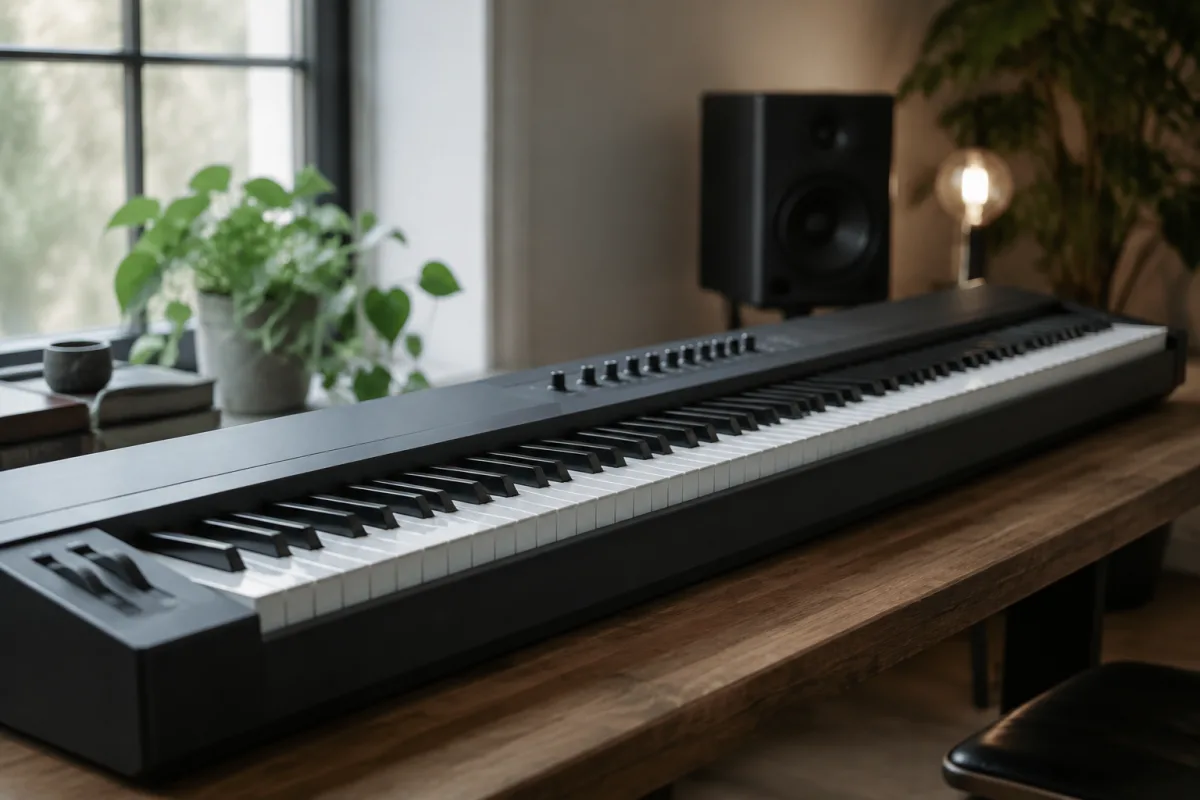
A Native Instruments MIDI keyboard is a professional controller designed to integrate seamlessly with Native Instruments' industry-leading software ecosystem. Rather than generating sound independently, a Native Instruments MIDI keyboard transmits note and performance data to software instruments running on your computer, offering producers and musicians direct control over sophisticated digital sound libraries and effects.
What Is a Native Instruments MIDI Keyboard?
A Native Instruments MIDI keyboard is a weighted or semi-weighted controller keyboard manufactured by Native Instruments, a leading developer of music production software and hardware. These instruments serve as master controllers for commanding DAWs, software synthesizers and Native Instruments' own Komplete software suite. A Native Instruments MIDI keyboard prioritises integration, workflow efficiency and responsive control of complex software instruments.
Native Instruments has built its reputation on software excellence—Komplete, Maschine, Traktor and numerous plugins define the brand. A Native Instruments MIDI keyboard extends that philosophy into hardware, designed specifically to command the software ecosystem that millions of producers rely upon daily.
Key Control Surfaces and Features
A typical Native Instruments MIDI keyboard includes:
- 88 weighted keys or 61 semi-weighted keys: Full or compact keyboard ranges with velocity sensitivity
- Dedicated fader banks: Quick access to software parameters without screen navigation
- Touch knobs: Ergonomic control of effects, filters and performance parameters
- Transport controls: Play, pause, record and metronome functions mapped directly to hardware buttons
- Pad banks: 16 velocity-sensitive pads for triggering samples, launching clips and triggering loops
- USB audio interface: Audio I/O built into the controller for recording and monitoring
- MIDI I/O: External MIDI connectivity for controlling additional hardware synthesizers
This comprehensive control surface makes a Native Instruments MIDI keyboard far more than a simple note entry device—it becomes a complete production command centre.
Integration with Komplete and Software Instruments
A Native Instruments MIDI keyboard excels when paired with Native Instruments' Komplete software suite, the industry standard for virtual instruments and effects. Features include:
- Direct software integration: MIDI controller mappings configured automatically for Komplete instruments
- Hardware/software synchronisation: Faders and knobs on the keyboard reflect parameter changes made in the software and vice versa
- Scene recall: Saving and restoring complete instrument and effects configurations from hardware buttons
- Performance control: Real-time manipulation of sound parameters during recording and live performance
This tight integration distinguishes a Native Instruments MIDI keyboard from generic controllers. When you own Native Instruments software, the keyboard becomes an extension of the software interface rather than a separate device.
Model Variations and Sizes
| Size | Key Count | Use Case | Portability |
|---|---|---|---|
| Compact | 25 keys | Mobile production, beat-making, sample triggering | Highly portable; fits in bags and cars |
| Standard | 49 or 61 keys | Home studio, live performance, versatile production | Portable; sits comfortably on desks |
| Professional | 88 weighted keys | Studio work, classical playing, orchestral mock-ups | Substantial; requires dedicated space |
Each size serves different workflows. An artist sketching beats might prefer a compact 25-key controller. A producer crafting orchestral arrangements might invest in the 88-key weighted model. A Native Instruments MIDI keyboard scales to your production reality.
Audio Interface Functionality
Many Native Instruments MIDI keyboards include built-in audio interfaces—USB connections that transmit audio to and from your computer. This eliminates the need for a separate audio interface in simple setups. Benefits include:
- Consolidated connectivity: One USB cable carries MIDI and audio data
- Reduced latency: Direct connection to the computer minimises delay between playing and hearing sound
- Monitoring: Headphone outputs for silent practice and real-time performance monitoring
- Recording: Direct audio capture to DAWs without external hardware
A Native Instruments MIDI keyboard with integrated audio interface represents an all-in-one solution for bedroom producers and touring musicians alike.
Workflow Efficiency
The fundamental advantage of a Native Instruments MIDI keyboard is workflow acceleration. Rather than clicking software interfaces and navigating menus, you reach for physical faders, knobs and buttons. This tactile control translates to faster composition, more spontaneous sound design and more expressive live performance.
A Native Instruments MIDI keyboard encourages experimentation. When parameter adjustment requires only a hand turn rather than mouse clicks and screen searching, creative exploration flows more naturally. This workflow efficiency justifies the investment for professional producers and serious amateurs.
Professional Applications
A Native Instruments MIDI keyboard serves numerous professional roles:
- Electronic music production: Techno, house, drum & bass and experimental genres rely on dynamic MIDI control
- Film and television scoring: Orchestral mock-ups and underscore composition
- Sampling and beat-making: Triggering drum samples and constructing rhythmic arrangements
- Live performance: Real-time control of software instruments and effects during touring
- Podcast and video production: Composing soundtracks and managing virtual instruments during recording
Across contexts, a Native Instruments MIDI keyboard accelerates production and enables performance creativity.
Comparing Native Instruments to Other Controllers
Other manufacturers produce excellent MIDI keyboards—Akai, Keylab, Studiologic and Roland all offer compelling options. A Native Instruments MIDI keyboard distinguishes itself through seamless Komplete integration and the company's reputation for meticulous software-hardware synchronisation. Producers already invested in Komplete will find Native Instruments controllers the natural choice; musicians using diverse software may prefer more generic controllers.
Choosing a Native Instruments MIDI Keyboard
Select a Native Instruments MIDI keyboard by considering:
- Size and portability: 25-key for mobile work; 61-key for balanced functionality; 88-key for studio and orchestral work
- Key action: Weighted for piano technique; semi-weighted for versatility; unweighted for lightweight control
- Software requirements: Confirm Komplete compatibility and whether included software meets your needs
- Audio interface need: Integrated audio I/O simplifies setups; dedicated audio interfaces offer more flexibility
- Control surface density: More faders and knobs offer workflow acceleration but increase learning curve and price
- Budget: Entry-level models suit beginners; professional versions command premium investment
Play multiple Native Instruments models before purchasing. Test the key action and fader responsiveness. Evaluate the control layout's workflow efficiency for your production style.
Conclusion
A Native Instruments MIDI keyboard transforms software instrument control from screen-based complexity into tactile, expressive hardware command. Integration with Komplete and Native Instruments' vast software ecosystem makes these controllers indispensable for electronic musicians, film composers and producers relying on the brand's industry-leading tools. Whether you produce beats in a bedroom, compose orchestral scores or perform live electronic music, a Native Instruments MIDI keyboard accelerates workflow and encourages creative exploration.





Comments