


Native Instruments MIDI Keyboard Buying guide
Native Instruments Midi Keyboard: A Complete Buyer's Guide
Buying a Native Instruments MIDI keyboard means choosing the control centre for your production setup. Here's what genuinely matters when deciding key count, action, and software bundling.
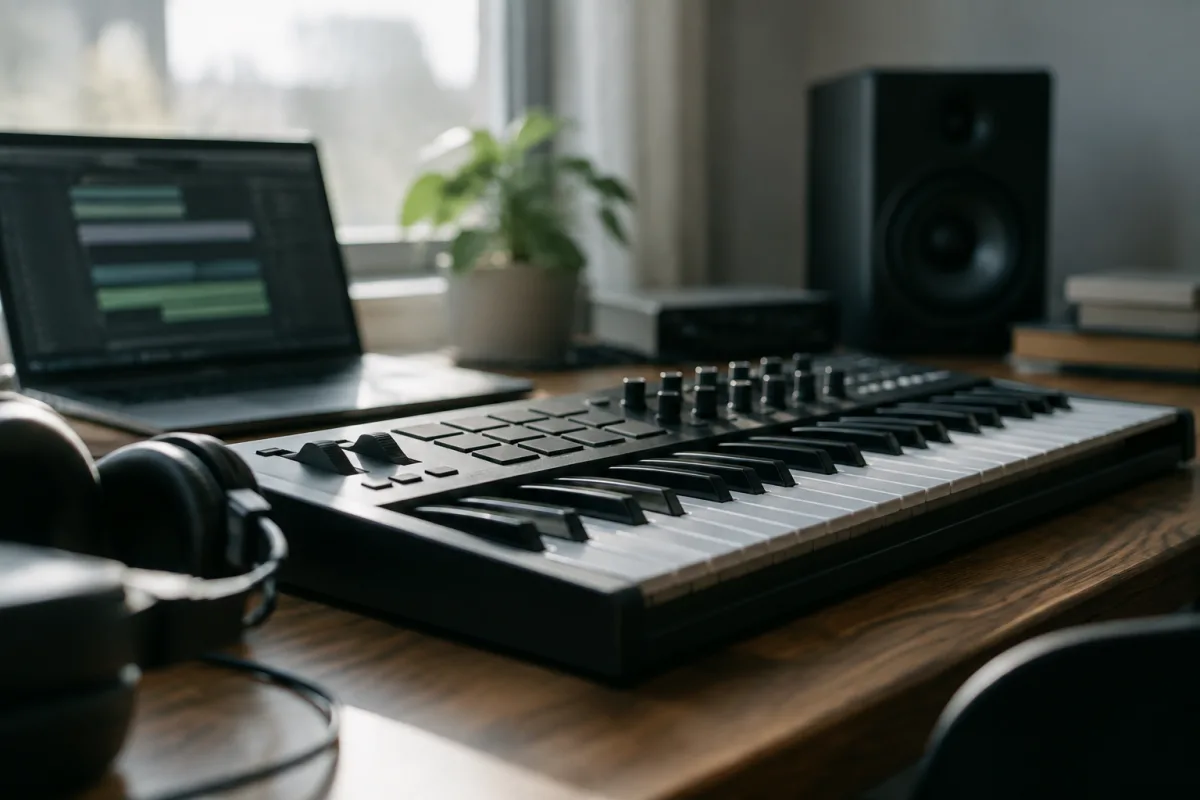
Buying a Native Instruments MIDI keyboard is a serious decision. You're not just choosing a piece of hardware—you're selecting the control centre for your entire production setup. Whether you're producing electronic music, scoring for media, or using MIDI to trigger instruments in your DAW, the right keyboard makes a genuine difference. But with so many options in terms of keys, layout, connectivity, and software bundling, where do you actually start?
What to Look for in a Native Instruments MIDI Keyboard
The first question isn't about the brand—it's about your workflow. Are you playing melodic lines that demand real keyboard weight and expression? Are you triggering drum pads and loops? Do you need portable gear that travels to gigs, or is your keyboard a permanent studio fixture? These questions drive every other decision when choosing a Native Instruments MIDI keyboard.
Native Instruments makes several product lines. The Komplete Kontrol line offers integrated hardware and software, with keys that match Komplete's software ecosystem. The Traktor Kontrol series focuses on DJ performance. The Maschine line emphasizes beat-making and production. Identify which category suits your music-making first.
Keyboard Size and Action: The Physical Reality
Native Instruments offers keyboards in three main sizes. 25-key models are compact and travel-friendly but demand finger dexterity if you're playing extended passages. 49-key keyboards hit the sweet spot for most producers—big enough for comfortable playing, small enough to fit most desks and travel setups. 88-key versions give you a full piano keyboard but sacrifice portability; reserve these for studios where the keyboard stays put.
Equally important is key action. A Native Instruments MIDI keyboard with weighted keys mimics a real piano, demanding finger technique and offering dynamic expression through velocity sensitivity. Semi-weighted keys balance playability with a lighter feel. Unweighted keys are lightest and best for triggering sounds rather than melodic playing. Most affordable Native Instruments MIDI keyboards have unweighted action; mid-range models add semi-weighted; premium versions include weighted keys.
Velocity Sensitivity and Expression Controls
Even budget Native Instruments keyboards offer decent velocity sensitivity—the responsiveness of keys to how hard you strike them. But better models have more refined response curves, feeling more natural when you're playing expressively. Beyond velocity, look for pitch and modulation wheels (standard on most), assignable knobs, sliders, and pads that let you control parameters beyond just notes.
If you're producing with a specific software instrument—Komplete's Wavetable, Battery, Massive X—a Native Instruments MIDI keyboard with tight integration makes enormous sense. You get hardware controls mapped directly to plugin parameters, visual feedback on the device itself, and a workflow designed around that particular instrument. If you use multiple plugins from various companies, integration matters less.
Connectivity: USB, MIDI, and Future-Proofing
Nearly every modern Native Instruments MIDI keyboard connects via USB, which provides both data and power (no batteries or wall adapter needed). Some premium models add MIDI In/Out for connecting external hardware synths or controllers. If you're building a complex setup with hardware synthesizers or want to control gear outside your computer, MIDI connectivity becomes essential.
Consider where you'll actually use the keyboard. Recording primarily in one studio? Stationary. Playing live gigs or taking it to collaborators' studios? Portability matters. A lighter 25-key or 49-key Native Instruments MIDI keyboard checks both boxes for flexibility, whilst 88-key models commit you to studio-based work.
Software Bundling and True Value
This is where Native Instruments keyboards shine compared to generic MIDI controllers. When you buy a Native Instruments MIDI keyboard, you often get substantial software bundled—the Komplete Kontrol line includes Komplete Start or full Komplete depending on model; entry-level keyboards might include Ableton Live Lite or smaller plugin bundles. This software alone often justifies half the hardware cost.
Before choosing a Native Instruments MIDI keyboard, check exactly what software comes with your specific model and whether you already own overlapping plugins. Paying for included software you won't use wastes money. Conversely, if the keyboard's bundle contains instruments you genuinely want, it becomes a bargain compared to buying everything separately.
Budget Tiers and Finding Value
Entry-level Native Instruments MIDI keyboards (25 keys, unweighted) start around £120–250, perfect for learning or bedroom producers. Mid-range 49-key models with semi-weighted keys run £400–900 and suit most working musicians. Premium 88-key keyboards with weighted action, deep software integration, and professional build quality exceed £1,200. Native Instruments keyboards generally hold value reasonably well on the used market due to their reputation and the included software.
If you're budget-conscious, buying a Native Instruments MIDI keyboard used offers excellent value. A two-year-old model often costs 40–50% less than new, with all the build quality and functionality. The included software is permanent; you won't lose it by purchasing secondhand.
Common Mistakes When Buying a Native Instruments MIDI Keyboard
Choosing a keyboard based purely on key count or price ignores what you'll actually play. A cheap 88-key Native Instruments MIDI keyboard with unresponsive keys frustrates more than a quality 49-key model suited to your workflow. Equally, don't buy a keyboard expecting the included software to teach you production; software is a bonus, not the primary reason.
Overlooking integration possibilities wastes potential. If you're using Komplete instruments, a Komplete Kontrol keyboard pays dividends through tighter workflow. If you're using Logic, Ableton, or a mix of third-party plugins, a basic Native Instruments MIDI keyboard handles everything just fine. Match the keyboard to your actual software setup.
Buying without trying is risky. Key feel is deeply personal. Some players love weighted keys; others find them sluggish. Some want lots of knobs for real-time parameter tweaking; others just play notes. Visit a music shop if you can, or choose retailers with solid return policies. For online purchases, prioritise places that let you return if the keyboard doesn't suit your hands or workflow.
Where to Buy and What to Check
Authorised Native Instruments retailers stock the full range and often offer exclusive bundles. High street music shops carry popular models. Online retailers usually undercut retail prices but offer less chance to try before buying. Second-hand platforms (Reverb, eBay, Facebook Marketplace) offer savings on gently used gear with no missing parts.
When evaluating a specific model, download the manual and check which plugins come bundled—this determines genuine value. Test MIDI connectivity with your DAW before committing. If buying used, verify all keys work, that no controls are stuck, and that the unit came with its original power supply or USB cable. Ask about any service history or warranty.
Making Your Purchase
Start by listing what you actually need: key count, portability, software you want, budget. Then identify which Native Instruments MIDI keyboard models tick those boxes. Play or demo them if possible. Check that included software genuinely interests you—if not, a cheaper generic MIDI controller might serve you just as well. Read detailed reviews from actual producers in your genre; they'll highlight workflow details that matter for your style. Once you've narrowed it down, buy from a retailer that backs what they sell. A Native Instruments MIDI keyboard is an investment, but the right one pays dividends through years of comfortable, inspiring production. For deeper context on Native Instruments keyboards and how they fit into a modern setup, read our complete guide to Native Instruments MIDI keyboards.



Comments