


Korg MIDI Keyboard Buying guide
Korg Midi Keyboard: A Complete Buyer's Guide
Korg MIDI keyboards balance affordability with professional reliability. This guide covers their models, connectivity options, and how to choose the right keyboard for your production setup.
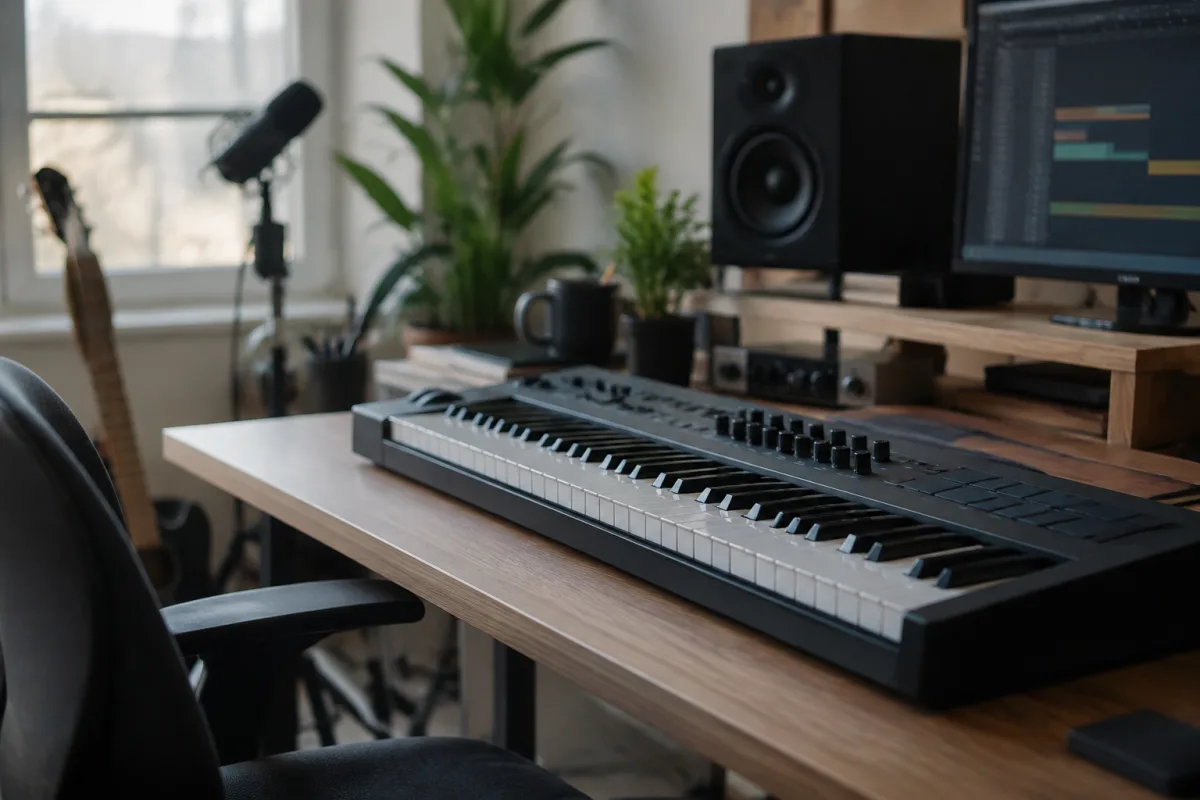
Korg has built a reputation for accessible, reliable music gear that inspires creativity. A Korg MIDI keyboard continues that tradition—it's not a premium boutique instrument, but it's genuinely professional-grade equipment at reasonable prices. If you're building a music production setup and want a keyboard that works reliably without pretension, a Korg MIDI keyboard deserves serious consideration. This buying guide walks you through their range, what makes them valuable, and how to choose the right model for your needs.
Korg's Design Philosophy
Korg builds instruments for working musicians and producers, not collectors. A Korg MIDI keyboard prioritises practical functionality over marketing hype. They're built to last, they integrate smoothly into modern setups, and they won't try to do things they're not good at. This straightforward approach defines the entire brand philosophy.
Quality across Korg's range is consistent. Budget Korg MIDI keyboard models aren't toy-like compromises—they're intentionally simpler, nothing more. A professional player can use any Korg MIDI keyboard confidently.
Key Models and Their Sweet Spots
The Korg nanoKEY2 is ultra-portable—fits in a backpack. Perfect for producers working between locations or minimal-setup players. The Korg microKEY represents the practical middle ground at 25–37 keys with better feel than ultra-compact options. A full-sized Korg MIDI keyboard (49–88 keys) offers playing experience closer to traditional piano keyboards without the expense of weighted action models.
Korg Monotron and Monotape add sonic character—they're not just controllers but sound generators. These represent Korg's more experimental offerings. A Korg MIDI keyboard purchase depends entirely on your actual workflow and priorities.
Connectivity and Integration
A Korg MIDI keyboard connects via USB or MIDI—both standard and widely compatible. Most production setups today use USB, which is simpler (one cable for power and data). Check that your chosen Korg MIDI keyboard has the connectivity you need before committing. Modern models include USB, but older designs sometimes offer only traditional MIDI connections.
Touch quality on a Korg MIDI keyboard is adequate for production work. Semi-weighted keys offer more feel than cheap unweighted options without the price premium of fully weighted designs. This balance appeals to most producers who value control and playability without wanting piano-weighted heaviness.
Price Tiers and Value
Entry-level Korg MIDI keyboard models start around £100–200. These ultra-compact designs are genuinely functional but feel cramped for regular playing. Mid-range options (£200–400) represent better value—noticeably more playable. A Korg MIDI keyboard in this range feels like a proper instrument rather than compromise gear.
Professional models (£400–800+) add premium feel and connectivity options. Most working producers find value between £300–500 for a Korg MIDI keyboard that balances playability and price.
Build Quality and Longevity
Korg instruments are built for durability. A Korg MIDI keyboard isn't flimsy or fragile. The build quality justifies the price point across their range. These are road-tested instruments—many working producers use the same model year after year without issues.
Maintenance is minimal. A Korg MIDI keyboard needs only occasional cleaning and careful handling. They'll work reliably for years without special care.
Sound Design Integration
Some Korg MIDI keyboard models include onboard synth engines (like the Korg Monotron). These add creative possibilities beyond just controlling external software. Others function purely as controllers. Decide whether you want onboard sounds or prefer controlling software exclusively. A Korg MIDI keyboard can work either way—choose based on your workflow preferences.
Workflow and Productivity
A Korg MIDI keyboard integrates transparently into production setups. Plug in, configure your DAW, and it works immediately. No hassle, no special setup required. This simplicity appeals to producers who want their gear to disappear into the workflow rather than demand attention.
Physical controls on a Korg MIDI keyboard are intuitive. Knobs do what you'd expect, buttons respond predictably. This lack of surprises is actually a strength—you can focus on music-making rather than fighting technology.
New versus Used
Used Korg MIDI keyboard models often represent excellent value. These instruments hold up remarkably well to regular use. A Korg MIDI keyboard used for three years plays identically to a new one if maintained decently. The secondhand market offers serious savings on proven, reliable equipment.
New purchases guarantee warranty coverage and the security of complete history. This peace of mind justifies the premium for many producers, particularly if budget allows.
Comparing Korg to Competitors
Versus Akai or Native Instruments, a Korg MIDI keyboard positions itself as the straightforward alternative. Less flashy but equally capable. Versus ultra-budget makers, Korg offers reliability and professional build quality at only modest premium. Korg occupies the sensible middle ground.
Making Your Korg MIDI Keyboard Decision
Define your use: bedroom production, mobile work, gigging, or studio setup. Budget accordingly—a Korg MIDI keyboard at £300–500 will serve serious producers excellently. Test different models before buying if possible; touch is subjective. Prefer reliability and simplicity? Korg delivers. Choose the size that fits your workflow, and you'll have a dependable instrument serving you through countless sessions.



Comments