


Drum Synthesizer Buying guide
Drum Synthesizer: A Complete Buyer's Guide
A comprehensive buying guide for drum synthesizers, covering synthesis types, essential specifications, features to verify, common mistakes, and price tier comparisons.
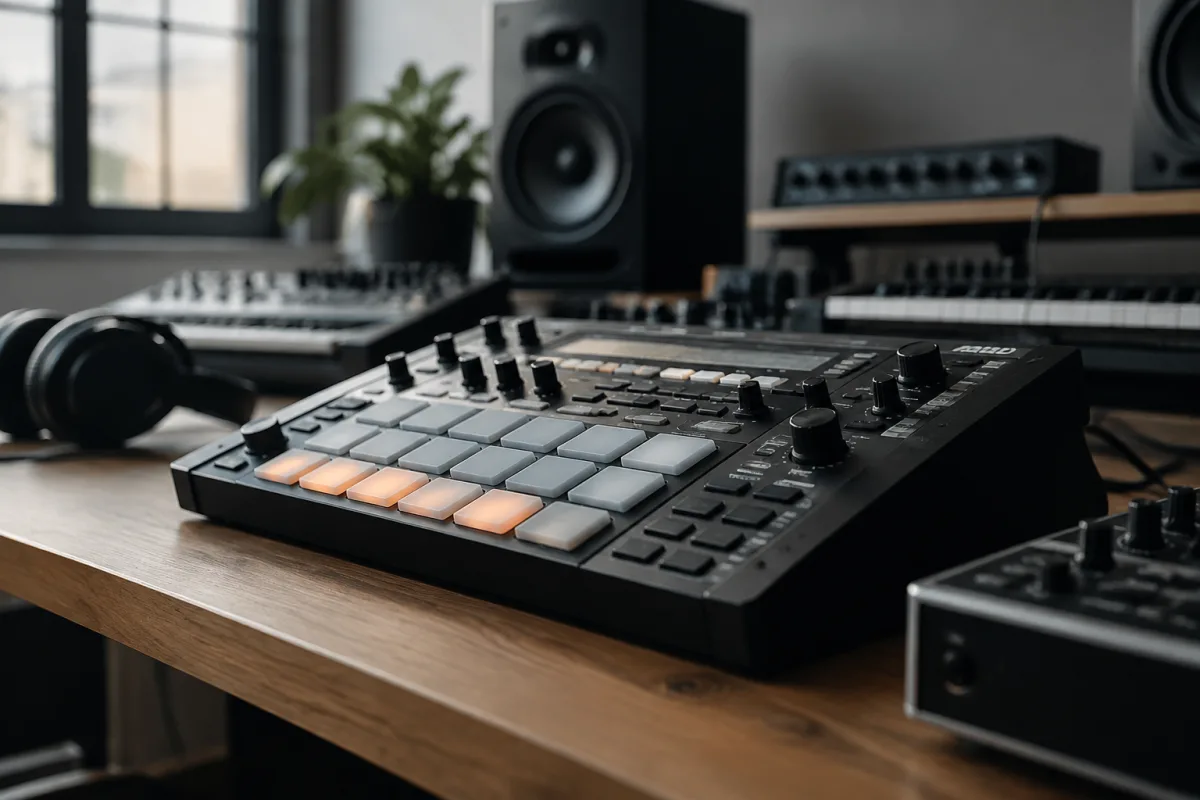
Selecting a drum synthesizer can feel overwhelming with the sheer variety of options available. Whether you're building your first electronic music production setup or expanding an existing arsenal, understanding what to look for makes all the difference between a purchase you'll regret and one you'll love for years. This guide walks you through the essential specs, features to verify, common pitfalls to avoid, and how to budget across different price tiers so you can make a confident buying decision.
Understanding Drum Synthesizer Types and Their Applications
Drum synthesizers fall into distinct categories, each suited to different music production scenarios. Standalone drum machines generate their own sounds and patterns—ideal if you want an all-in-one production tool. Software drum synths (plug-ins) offer flexibility and unlimited sound possibilities but require a computer and DAW. Hardware modules attach to MIDI controllers or DAWs, giving you hands-on control without being self-contained. Hybrid systems combine hardware and software capabilities. Before shopping, clarify whether you want portability, integration with existing gear, software freedom, or self-contained workflow. This decision narrows your choices significantly.
Essential Specs to Compare: Beyond the Brochure
When evaluating drum synthesizers, focus on these core specifications that directly impact your experience:
Sound synthesis engine: Look for the synthesis method—analogue modelling, sample-based synthesis, or physical modelling. Analogue emulations typically offer warm, expressive tones. Sample-based synths provide familiar acoustic drum sounds processed. Physical modelling excels at realistic drum tones with deep customisation. Choose based on your musical genre and sound aesthetic.
Number of voices and simultaneous drum hits: This determines how many drum sounds you can trigger simultaneously. Entry-level synths might handle 8-12 simultaneous voices, while professional models support 64 or more. If you're creating complex poly-rhythmic patterns, higher voice counts prevent sound dropping.
Connectivity and control: Check for MIDI input to control the synth from external controllers. CV (control voltage) connections offer deeper hardware integration. USB connectivity enables computer communication. Buttons and knobs should be responsive—poor control quality ruins the playing experience regardless of sound quality.
Sound library size and customisation: Evaluate how many factory sounds are included and whether you can edit parameters easily. Some synths offer hundreds of preset sounds; others provide fewer but more deeply customisable options. Consider whether you prefer deeper editing or quick access to ready-made tones.
Key Factors to Check Before Purchasing
Build quality and durability: Examine the materials—plastic construction feels cheap and wears quickly, whilst metal enclosures typically survive years of studio use. Test knobs and buttons for responsiveness; loose controls indicate poor manufacturing. Read user reviews specifically mentioning durability and longevity.
Software compatibility: If considering a hardware module or plug-in, verify compatibility with your DAW and operating system. Some older plug-ins don't support the latest OS versions. Check whether software updates are free or paid—some developers charge for major version upgrades.
Sound quality assessment: Listen to multiple audio demos in your intended music genre. A drum synth that sounds excellent for techno might be unsuitable for acoustic-influenced genres. Many manufacturers provide sound samples—listen to unprocessed recordings, not heavily produced examples.
Learning curve and interface design: Examine the interface layout. Are controls logically organised? Does the display provide useful information clearly? Some synths prioritise visual appeal over usability. Read user reviews about ease of learning and whether the manual is comprehensive.
Workflow integration: Consider how the synth fits your creative process. Do you need immediate hands-on control, or do you prefer programming patterns step-by-step? Does the synth integrate smoothly with your existing gear and software?
Common Pitfalls to Avoid
Pitfall 1: Buying based on preset sounds alone. A drum synth with 500 amazing factory sounds but poor sound-editing capabilities becomes limiting once you've exhausted the presets. Conversely, synths with limited presets but deep editing potential grow with your skills. Evaluate the synth's long-term potential, not just initial appeal.
Pitfall 2: Neglecting connectivity concerns. Don't discover mid-workflow that your new synth doesn't integrate with your setup. Verify MIDI in/out capabilities, sample import/export functions, and whether the synth can be controlled by your existing controllers. Poor connectivity severely limits creativity.
Pitfall 3: Underestimating CPU load (for software synths). Plugin drum synths vary wildly in processor requirements. Some are CPU-efficient; others consume significant resources. Check minimum system requirements and read reviews noting CPU performance. Running out of processing power mid-production is incredibly frustrating.
Pitfall 4: Ignoring customer support and community size. Smaller manufacturers sometimes disappear, leaving users without support or updates. Popular drum synthesizers have active communities sharing tips, tutorials, and solutions. Factor this into your decision—a synth with active community support pays dividends long-term.
Pitfall 5: Confusing sound quantity with quality. A drum synth with 1,000 mediocre presets offers less value than one with 100 genuinely excellent sounds you can customise further. Quality significantly outweighs quantity in professional contexts.
Drum Synthesizer Price Tiers Explained
Budget tier (under £200): Entry-level hardware drum machines and basic software synths. Typically feature smaller sound libraries, limited connectivity, and simpler interfaces. Adequate for learning and experimentation, though limitations become apparent as your skills develop. Examples include compact drum pads and simple plugin synths.
Mid-range (£200-600): Substantial improvement in sound quality, editing depth, and build quality. Most music producers' primary choices fall here. You get solid connectivity, reasonable preset counts, and interfaces designed for efficient workflow. These synths grow with your skills.
Professional tier (£600-1,500): High-end hardware modules and professional software synths with deep editing, superior sound engines, and excellent build quality. Reserved for producers prioritising specific sound aesthetics or needing integration with complex studio setups. Overkill for beginners but perfect for professionals.
Premium/collector tier (above £1,500): Boutique hardware, limited-edition synths, and flagship professional systems. Primarily for established producers with specific requirements and significant budgets. Sound quality is generally exceptional, but price increases disproportionately to performance gains.
Matching Your Needs to the Right Drum Synthesizer
Begin by defining your primary use case. Are you producing electronic dance music, ambient soundscapes, experimental compositions, or something else? Each genre favours different synthesis approaches. Next, evaluate your workflow—do you need portability, hands-on knob control, or deep software editing? Finally, consider your budget honestly and factor in accessories (controllers, stands, cables) that increase the total investment.
Making Your Purchase Decision
Before committing, test the drum synthesizer if possible—visit a music retailer and play with multiple models. Listen to professional demos in your musical genre. Read comprehensive user reviews from producers actively working in your style. Check return policies in case your purchase doesn't integrate well with your setup. Remember that the most expensive option rarely offers the best value—thoughtful matching of your specific needs with the right tool matters far more than price.
Expanding Your Drum Synthesis Knowledge
For comprehensive information about different drum synthesizer models, features, and capabilities, check our ultimate guide to drum synthesizers, which covers the landscape of available options, brand comparisons, and detailed feature breakdowns.
Conclusion: Investing Wisely in Your Drum Sound
Choosing a drum synthesizer is an investment in your creative tools and sound aesthetic. By understanding synthesis types, evaluating essential specs, recognising common pitfalls, and matching your needs to appropriate price tiers, you make an informed decision rather than an impulse purchase. The right drum synthesizer becomes a trusted collaborator in your creative process, enabling you to realise your musical ideas with greater precision and expressiveness.


Comments