


Silent Piano article
Silent Piano for Beginners: A Complete Guide
Worried about disturbing neighbours? A silent piano lets you practise quietly on a genuine acoustic instrument. This beginner's guide takes you through the essentials.
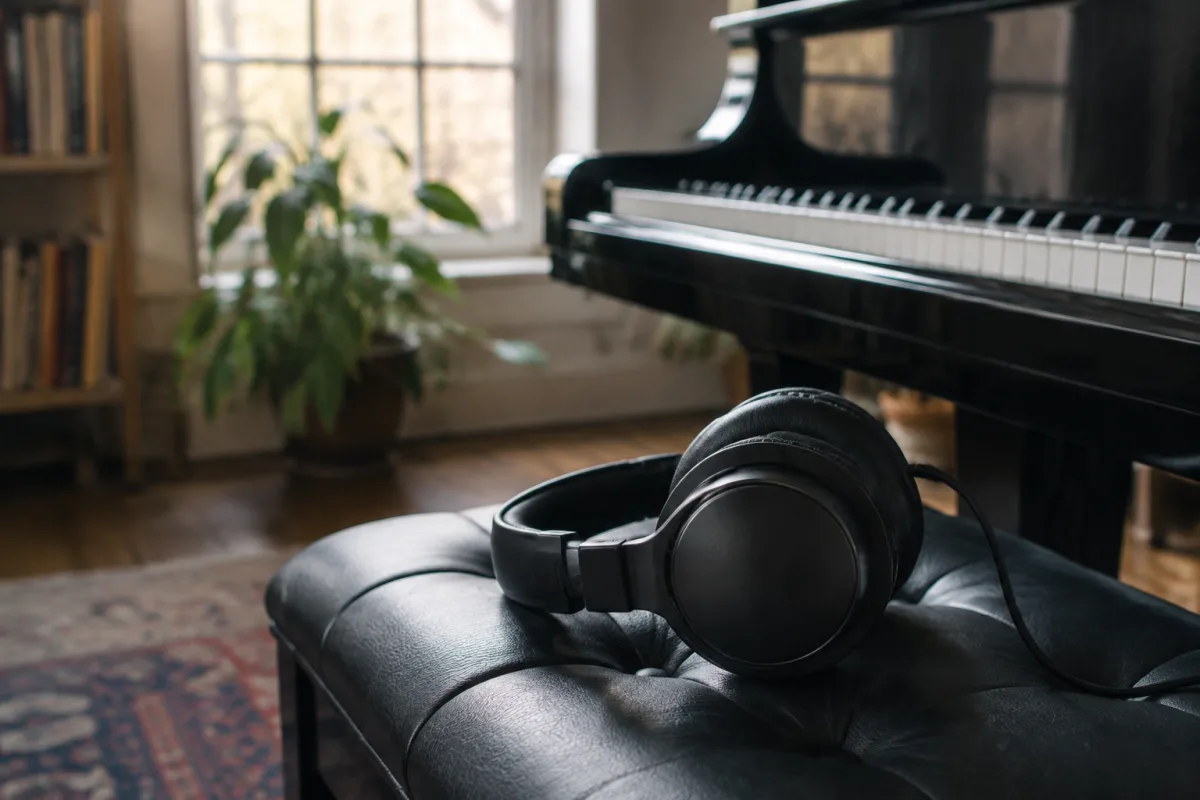
Your First Silent Piano: A Beginner's Guide
Getting into silent pianos can feel daunting if you are worried about disturbing neighbours or family, but it need not be. A silent piano is simply an acoustic piano with a silencing mechanism built in, allowing you to play quietly or through headphones only. This guide is written for someone considering their first silent piano—no prior knowledge needed, just genuine questions about whether this is right for you.
What Makes a Silent Piano Different?
Unlike a regular acoustic piano, a silent piano has a lever or button you can engage to lift the hammers away from the strings just slightly. When activated, the hammers strike a special mute rail instead of the strings, producing no sound from the instrument itself. Sound reaches your ears only through headphones, which are plugged into a headphone jack on the piano's control box.
Think of it as a bridge between a regular piano and a digital one. You get the authentic touch and resistance of acoustic piano keys, but with the privacy and flexibility of silent practice.
Why Start with a Silent Piano?
There are good reasons to consider a silent piano as your first instrument:
- Practise without guilt: Play at 2 a.m. or during a thunderstorm without worrying about walls, neighbours or housemates.
- Real piano feel: The weighted, authentic key action is closer to a concert grand than any lightweight digital keyboard.
- Natural learning: You develop proper technique from day one because the mechanics and resistance are genuine.
- Flexible monitoring: Use headphones for private practice, or turn off the silencing mechanism to play acoustic for visitors.
Getting Started: First Steps
1. Decide on Your Budget
Silent piano mechanisms range from simple kit retrofits (around £400–600) added to an existing acoustic piano, to pianos with integrated systems (£2,000–8,000). If you already own or have access to an acoustic piano, a retrofit kit is often the cheapest entry point. If you are buying new, expect to pay a bit more for a piano that comes with the system already installed and warrantied.
2. Try Before You Buy
Visit a music shop and play a few silent pianos. Notice how the key resistance feels, how the pedals respond, and whether the headphones (usually included) sit comfortably. Some players find even small differences in touch make a big difference to their practice.
3. Understand the Headphone Experience
When silent mode is engaged, you will hear the sound of the keys via your headphones—but not the ambient piano resonance you would hear sitting at an acoustic instrument. This takes a small adjustment. Some pianos offer a slight acoustic "bleed" so you hear a little of the real strings; others go silent completely. Whichever you choose, it is manageable after a week or two of practice.
4. Choose Your Installation Spot
Silent pianos still need proper light, ventilation and stable temperature. They do not need soundproofing or special treatment—that is one of the selling points. A spare bedroom, lounge or studio space works perfectly.
Common First-Timer Mistakes
Avoid these pitfalls as you settle in:
- Forgetting to engage the silencing lever. Your first frustrating moment might be reaching for silent mode only to discover you left it in acoustic mode all along. Get into the habit of checking the lever before you sit down to practice.
- Thinking the headphones are the weak link. Budget headphones that come bundled are often perfectly fine. Do not rush to spend extra on audiophile headphones unless you are an audio engineer or have a specific complaint about the sound quality.
- Neglecting the acoustic mode. Once you have a silent piano, it is easy to rely entirely on headphones. But the real acoustic sound—the richness when the silencer is off—is part of your education. Use both modes so you learn what the piano is actually meant to sound like.
- Leaving the system always engaged. Regularly play the piano without silent mode to ensure the mechanism does not stiffen and to keep the strings and hammers in good working order.
- Dismissing touch as "not real enough." Some beginners worry that practising on a silent piano will leave them struggling on a regular acoustic. It will not. The key action and hammer mechanism are identical to a standard piano; only the silencing lever is added.
Technical Essentials You Should Know
How the System Remains Reliable
A quality silent piano mechanism has been in pianos for decades and is very reliable. The silencing rail is a simple mechanical part; there is no computer or complex electronics in most systems. This is good news for durability. If a problem does arise—say, the mechanism sticks or the headphone jack gets loose—repairs are usually straightforward and inexpensive.
Headphone Comfort Matters
You will wear them during every practice session. Many pianos include basic over-ear headphones with your purchase. If they are uncomfortable after 30 minutes, consider upgrading to a lightweight pair designed for long listening sessions. A padded band and soft ear cups make a world of difference.
Check the Headphone Socket
Some older pianos use a 3.5mm jack; newer ones may have USB or Bluetooth options. Verify what you are getting before you buy so you can use headphones you already own or budget for compatible ones.
Building Confidence as You Practise
Your first week might feel strange—you will be playing an acoustic instrument but hearing it through headphones, which is an unusual sensation. This is completely normal. By week two, most beginners stop noticing the headphones and simply focus on the keys and the music. Trust the process.
Practise a mix of scales, simple pieces and whatever brings you joy. The silent piano removes the pressure of disturbing others, so you can focus entirely on learning. Use the acoustic mode once a week or so to remember how the instrument truly resonates, and to keep yourself engaged with the real piano experience.
When to Upgrade or Adjust
After a few months of regular practice, you may discover you want a different headphone style, or you might realise you prefer more or less acoustic bleed in the silent mode. These are easy adjustments. A qualified technician can tweak the system or swap headphones in minutes.
If you bought a retrofit kit on an older piano, check its condition after six months of heavy use. Most systems need minimal maintenance, but it is worth a quick inspection to ensure everything is working smoothly.
The Bottom Line
A silent piano is an excellent entry point if you want a genuine acoustic piano experience without the noise constraints. It removes one of the biggest barriers to home piano practice—the worry of disturbing others—and leaves you free to focus on learning and enjoying the instrument. You do not need specialist knowledge to own and maintain one. Start with a visit to a showroom, ask plenty of questions, and choose an instrument that feels right under your fingers. That is all that matters.



Comments