


Silent Piano Buying guide
Silent Piano: A Complete Buyer's Guide
Buying a silent piano requires understanding the technology, comparing specs, and knowing where buyers stumble. This guide covers playability, sensor systems, price tiers, and value at every budget level.
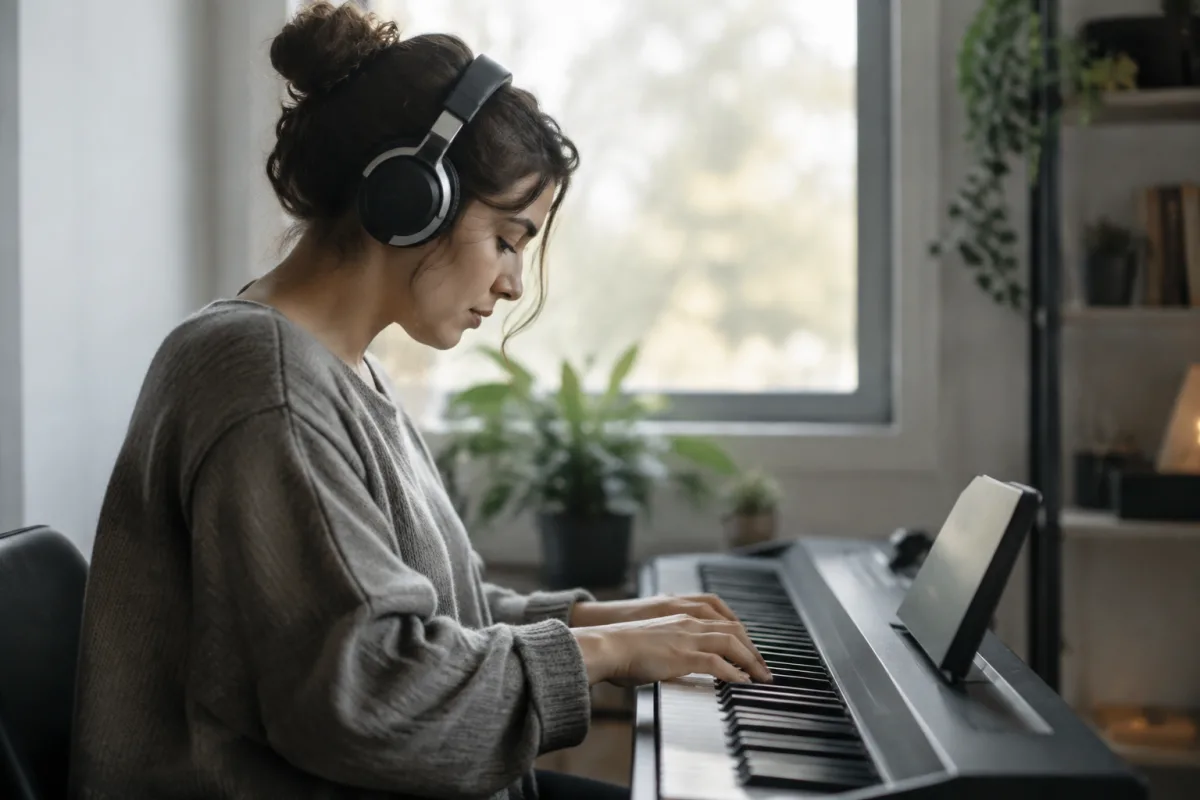
A silent piano offers an elegant solution for serious pianists who need to practice without disturbing housemates or neighbours. But buying one isn't simply choosing an acoustic piano and flipping a silent switch. The technology, sound quality, and overall experience vary significantly between models, price points, and manufacturers. This guide reveals what specs actually matter when investing in a silent piano, which features justify the cost, and where buyers commonly make costly mistakes.
What Makes a Silent Piano Actually Silent?
Understanding the technology behind a silent piano helps you evaluate options intelligently. A traditional silent piano operates by installing a solenoid-activated bar that intercepts the hammers just before they strike the strings. When this mechanism engages, the hammers don't reach the strings—no vibration, no acoustic sound. Instead, optical or weight sensors detect the hammer's intended path and send MIDI data to headphones or external speakers, creating the sound electronically.
This means a silent piano doesn't actually silence itself acoustically; it prevents acoustic vibration and channels the performance data electronically. Quality varies based on sensor accuracy, software responsiveness, and speaker quality. Higher-end silent piano systems capture nuanced dynamics more precisely, whilst budget models may feel less responsive to your touch.
The Two Main Silent Piano Technologies: Yamaha CFX/Bösendorfer vs Alternatives
Yamaha's silent piano system (available on various models) uses solenoid bar technology and samples from Yamaha CF and Bösendorfer pianos. This is the industry standard, offering reliable performance and widely compatible software. Most premium silent piano buyers choose Yamaha because the technology is proven, updates are regular, and resale value remains strong.
Alternative technologies exist—some manufacturers use different sensor systems or proprietary software. Whilst cheaper, they sometimes lack the responsiveness and sound quality of Yamaha's established system. If you're comparing silent piano options, prioritise models with established track records rather than experimenting with newer, unproven technologies.
Key Specs to Evaluate in a Silent Piano
Before opening your wallet, compare these specifications across silent piano models:
Hammer Strike Accuracy: The sensors in a silent piano must detect hammer motion with extreme precision. Look for specifications stating latency or sensor resolution. Lower latency (under 10ms) means your playing feel less disconnected from the electronic response. This affects whether a silent piano feels authentic or laggy.
Headphone Output Quality: Quality silent pianos offer multiple headphone outputs (typically two 1/4-inch jacks and USB). Cheaper models force you to buy additional adapters. Premium silent pianos integrate headphone amplification directly, ensuring clean, powerful signal without requiring external equipment.
Built-in Speaker System: Some silent pianos include speakers (particularly console models), whilst others are keyboard-only. If you want to hear yourself acoustically without headphones, prioritise models with built-in speakers. However, speakers add weight, cost, and require space.
USB and MIDI Connectivity: Ensure the silent piano offers USB and MIDI outputs for recording and software integration. This future-proofs your investment if you later want to record directly to a DAW or connect to notation software.
Sound Library Size and Variety: The silent piano's software includes instrument samples—piano voices, strings, winds, etc. Premium systems offer 100+ sounds; budget models may include just 20-30. More options means longer creative life and less need to upgrade.
Acoustic Feel vs. Playability Trade-Offs
Here's the uncomfortable truth about silent pianos: they never feel exactly like a traditional acoustic piano. The solenoid bar system introduces subtle latency and changes hammer resistance. When shopping, test multiple models side-by-side if possible. Some pianists adapt quickly; others find the feel frustrating.
Premium silent pianos minimize this gap through precise sensor calibration and hammer regulation. Budget models sometimes feel noticeably "off," particularly for players accustomed to concert grands or higher-end acoustic instruments. The price difference between mid-range and premium silent pianos often reflects this playability gap.
If acoustic feel is your priority, expect to invest £8,000+. Below that, you're accepting a compromise. Many pianists make peace with this—the benefit of quiet practice outweighs the slight feel difference. Be honest about your tolerance threshold before buying.
Price Tiers and Value Breakdown
Budget Silent Pianos (£3,000-£5,000): Entry-level silent pianos from established makers like Yamaha (P-125 or DGX-670 range) are affordable and reliable. They're fully functional for daily practice but may feel slightly less responsive and offer fewer sound options. Resale value is moderate; they hold 50-60% of purchase price.
Mid-Range Silent Pianos (£5,000-£10,000): This tier represents genuine value. Instruments like Yamaha's P-515 or similar offerings deliver solid playability, better sound libraries, and more robust construction. They suit serious amateur pianists and some professionals. Resale value is strong; these instruments typically hold 60-70% of purchase price.
Premium Silent Pianos (£10,000-£25,000): High-end silent pianos offer superior acoustic feel, extensive sound libraries, and premium hardware. These suit professional pianists, educators, and dedicated enthusiasts. They often feature wooden keys with weighted hammer action and premium speakers. Resale value remains strong due to professional demand.
Professional Grade (£25,000+): Luxury silent pianos, often customised acoustic instruments retrofitted with premium silent systems, serve concert pianists and recording studios. These are rare purchases and justify only for professional use or serious collectors.
New vs. Used Silent Pianos: Calculating True Cost
The secondhand silent piano market is active, with many quality instruments available. A used mid-range silent piano might cost 30-40% less than new whilst delivering similar playability for amateur use. However, investigate these factors before purchasing:
- Sensor Wear: Optical sensors degrade with dust and age. Clean sensors are visible internally; ask the seller how often they've serviced the system.
- Hammer Condition: Inspect the acoustic action—hammers should be level and undamaged. Replacing hammers costs £300-£800.
- Software Compatibility: Ensure the model still receives software updates and that USB drivers are available for modern computers.
- Warranty Status: Most warranties don't transfer to secondhand buyers. Budget £200-£500 for repairs if needed.
Generally, used silent pianos from reputable makers (Yamaha, Kawai, Roland) are safer bets than obscure brands. The savings rarely justify the risk of buying an instrument with compromised sensors or outdated technology.
Essential Features Worth the Investment
Some features justify paying extra when choosing your silent piano:
Wooden Keys with Weighted Hammer Action: Plastic keys feel cheap and don't build proper finger strength. Wooden keys with weight distribution that simulates hammer resistance are worth the £1,000-£3,000 premium. They make practising on a silent piano translate better to acoustic performance.
Dual Headphone Outputs: If you share your home with another musician, dual outputs let two people practise simultaneously wearing separate headphones. This justifies £500-£1,000 extra cost for household musicians.
Built-in Recording: Premium silent pianos include onboard recording to USB or SD card. This lets you capture practice sessions without external equipment. Useful for self-assessment and teaching scenarios.
Professional Speaker System: If you want to hear your silent piano acoustically during practice, built-in or external professional speakers are invaluable. Quality speakers add £800-£2,000 but transform the experience from headphone-only to room-filling sound.
Common Purchasing Mistakes to Avoid
Savvy buyers sidestep these predictable errors:
- Ignoring the Learning Curve: Adjusting to a silent piano's feel takes weeks. Don't judge too quickly. Rent or borrow before committing if possible.
- Underestimating Space Requirements: Silent pianos, especially console models with built-in speakers, are substantial furniture. Measure your space and doorways carefully. Some models won't fit through standard doors.
- Assuming All Silent Systems Are Equal: They're not. Test multiple brands side-by-side if possible. Playability differences are real and matter over daily practice sessions.
- Neglecting Used Market Inspection: Never buy a used silent piano without testing it or having a technician evaluate it. Sensor issues are invisible to untrained eyes but expensive to repair.
- Forgetting Long-Term Support: Choose brands with established support ecosystems. Avoid boutique manufacturers with limited dealer networks. If your silent piano needs service, you want accessible technicians.
Setup, Maintenance, and Longevity
A silent piano requires professional installation and initial calibration, particularly if you've added the system to an existing acoustic piano. Budget £200-£500 for this. Ongoing maintenance involves regular cleaning of sensors (dust accumulation can cause latency) and occasional recalibration.
Most silent piano systems last 10-15 years before component degradation requires servicing. Budget contingencies for sensor replacement (£300-£800) or software updates (sometimes free, sometimes £50-£200). This maintenance burden is light compared to acoustic piano upkeep but worth factoring into total cost of ownership.
Integration with Your Music Life
Consider how your silent piano fits your broader musical practice. Professional pianists might choose a silent system for daytime practice whilst maintaining an acoustic piano for performance preparation. Apartment dwellers appreciate silent practice but may occasionally want acoustic sound; a system with switchable silent/acoustic modes suits this need.
Recording musicians benefit from silent pianos with USB audio output, enabling direct recording to DAWs. Teachers might prioritise models with excellent feel to demonstrate technique authentically. Clarify your primary use case before selecting specifications.
For deeper exploration of silent piano options and detailed model comparisons, see our ultimate guide to silent pianos. When you're ready to compare specific models in detail, that resource provides comprehensive information. For now, understand that a well-chosen silent piano is a decade-long investment—choose carefully based on playability, technology, and your personal practice priorities.
Your Silent Piano Comparison Checklist
Before finalising your purchase, verify these criteria:
- Playability tested extensively (latency felt acceptable)
- Sensor system identified and proven reliable
- Sound library reviewed and deemed adequate
- Connectivity (USB, MIDI) matches your equipment
- Physical dimensions fit your space
- Warranty terms and support coverage understood
- Maintenance costs and intervals clarified
- Resale value expectations set realistically
A silent piano is a serious commitment—a bridge between acoustic authenticity and practical quiet practice. Choose with care, test thoroughly, and invest at a tier that matches your commitment level. Done right, a silent piano serves faithfully for years, enabling practice without compromise.


Comments