


Sequential Digital Piano article
The Ultimate Guide to Sequential Digital Piano
Sequential digital pianos merge synthesis heritage with responsive weighted keyboards. Explore the sound engine, professional connectivity and why Sequential instruments appeal to both classical pianists and electronic musicians.
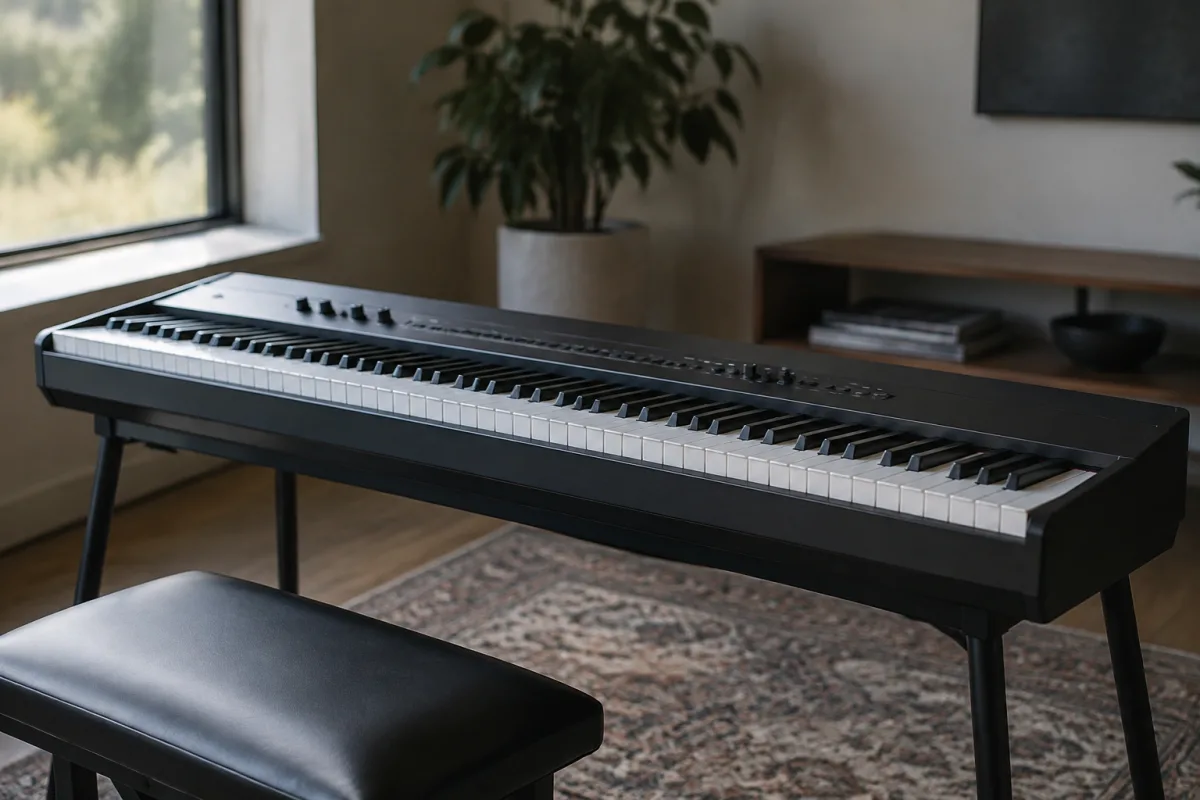
Sequential digital pianos epitomise the marriage of synthesis history and modern keyboard design. Built on the legacy of Dave Smith and Sequential's legendary synthesizers, a Sequential digital piano combines responsive weighted keys with contemporary sound architecture. These instruments appeal to players who value synthesis innovation, characterful tone and the uncompromised engineering that Sequential has delivered for four decades.
What Is a Sequential Digital Piano?
A Sequential digital piano is a weighted keyboard instrument manufactured by Sequential (formerly Sequential Circuits), featuring digital sound synthesis, weighted hammer action and modern connectivity. Unlike sample-based digital pianos, a Sequential digital piano builds its sounds through synthesis, offering flexibility and sonic character distinct from acoustic-piano modeling. The brand's heritage in synthesizer design infuses each instrument with creative possibility and meticulous engineering.
Sequential's founder Dave Smith pioneered synthesizer technology through innovations like MIDI and the Pro-One synthesizer. That lineage extends into today's Sequential digital pianos—instruments designed for musicians who demand both traditional piano playability and forward-thinking sonic creativity.
Hammer-Action Weighted Keys
A Sequential digital piano prioritises authentic piano touch through weighted hammer action that mimics acoustic piano resistance. The mechanism includes:
- Hammer simulation: Springs and weights simulate the resistance of acoustic piano action
- Velocity sensitivity: The speed of key depression affects volume and tone, rewarding subtle dynamic control
- Aftertouch: Pressure applied after a key is struck modulates tone and expression
- 88-key configuration: Full keyboard range matching concert grand pianos
These features ensure a Sequential digital piano feels responsive and expressive under the hands. Classical pianists appreciate the authentic touch; contemporary musicians value the expression capabilities for nuanced sonic performance.
Sound Engine and Synthesis Philosophy
A Sequential digital piano's sound character emerges from its synthesis architecture. Rather than relying solely on sampled acoustic pianos, Sequential designs create piano tones through digital oscillators, filters and effects. This approach offers several advantages:
- Tonal flexibility: Continuously variable filter cutoff and resonance allow custom tone shaping
- Characterful sounds: Rather than "realistic" acoustic pianos, Sequential embraces musical character and colour
- Extended instruments: Organs, electric pianos, strings and creative sound designs complement the piano engine
- No sample memory limits: Synthesis engines avoid the file-size constraints of sample libraries
This synthesis-first philosophy distinguishes a Sequential digital piano from competitors emphasising acoustic-piano authenticity. Instead, Sequential instruments celebrate synthesis heritage whilst maintaining essential piano playability.
Connectivity and Production Integration
Modern Sequential digital pianos include comprehensive connectivity:
- MIDI I/O: Controlling external synthesizers, samplers and DAW software
- USB audio: Transmitting audio directly to computers for recording and processing
- Audio outputs: Balanced and unbalanced connections for amplification and mixing consoles
- Expression pedals: Dynamic control of sound parameters and effects during performance
A Sequential digital piano functions equally well as a concert instrument or studio master controller. The flexibility suits musicians across performance and production contexts.
Sound Palette and Instrument Varieties
| Sound Category | Examples | Use Cases |
|---|---|---|
| Acoustic pianos | Grand, upright, weighted | Classical, jazz, contemporary music |
| Electric pianos | Fender Rhodes, Wurlitzer-style | Soul, rock, funk, experimental |
| Organs | Hammond B3 simulation, church organ | Soul jazz, gospel, progressive rock |
| Strings and pads | Lush, orchestral atmospheres | Film scoring, ambient, orchestration |
| Synthesiser layers | Creative, experimental sounds | Electronic music, avant-garde performance |
A Sequential digital piano's comprehensive sound palette suits musicians across genres and creative contexts.
Build Quality and Reliability
Sequential instruments are hand-assembled and undergo rigorous quality control. A Sequential digital piano reflects this commitment through solid construction, reliable components and attention to detail. Professional touring musicians trust Sequential instruments for their durability under demanding performance conditions.
The company's reputation—built across decades of synthesizer manufacturing—extends into modern digital pianos. When you purchase a Sequential digital piano, you invest in a lineage of innovation and meticulous engineering.
Professional Applications
A Sequential digital piano serves multiple professional contexts:
- Concert performance: Reliable, expressive instrument for classical and contemporary classical music
- Studio recording: Capturing piano and keyboard parts with synthesis flexibility
- Live touring: Portable, durable instrument for road musicians demanding authentic action
- Film and television scoring: Creating orchestral mock-ups and experimental underscore
- Electronic music production: Synthesis-forward instrument suited to contemporary genres
Each application benefits from a Sequential digital piano's combination of acoustic authenticity and synthesis creativity.
Comparing Sequential to Other Digital Pianos
The digital piano market includes many brands. Yamaha and Nord excel at weighted actions. Kurzweil dominates sample-based sound authenticity. A Sequential digital piano distinguishes itself through synthesis-first design, creative sound character and legendary manufacturing heritage. Musicians choosing Sequential value sonic character and production flexibility alongside traditional playability.
Choosing a Sequential Digital Piano
Consider these factors when evaluating a Sequential digital piano:
- Key action: Play extensively to confirm the hammer action suits your technique and comfort
- Sound character: Evaluate whether synthesised tones and creative sounds appeal to your aesthetic
- Connectivity: Confirm MIDI, USB and audio outputs match your production workflow
- Portability: Will the instrument tour frequently or remain studio-based?
- Budget: Sequential digital pianos command significant investment; prioritise features accordingly
Play multiple Sequential models before deciding. Test the key action across the entire keyboard range. Explore the sound engine's parameters. Assess whether the synthesis-forward philosophy aligns with your creative vision.
Conclusion
A Sequential digital piano bridges classic synthesis heritage with contemporary keyboard instrument design. The combination of authentic hammer action, characterful synthesis-based sounds and comprehensive connectivity makes a Sequential digital piano a compelling choice for musicians valuing both playability and creative flexibility. Whether performing classical repertoire, composing experimental music or controlling a production rig, a Sequential digital piano delivers the legendary engineering and innovative spirit that has defined the Sequential brand for decades.




Comments