


Sequential Digital Piano article
Sequential Digital Piano for Beginners: A Complete Guide
Starting piano lessons feels daunting enough without navigating the equipment landscape. A Sequential digital piano offers an accessible entry point into playing.
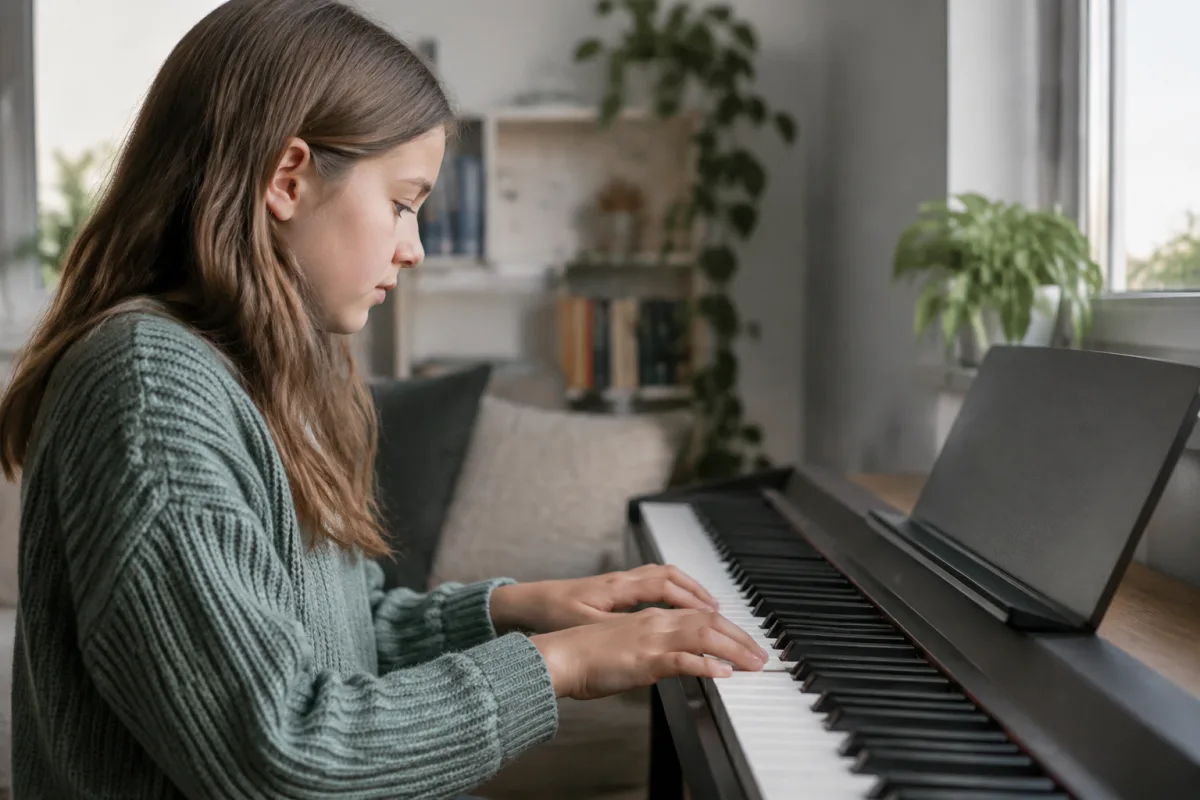
Starting piano lessons as an adult or young learner feels daunting enough without navigating the equipment landscape. A Sequential digital piano offers an accessible entry point into playing, with professional sound quality and practical portability that acoustic pianos can't match. If you're considering your first piano and wondering what makes Sequential a sensible choice for beginners, this guide walks you through the essentials.
Why Sequential Pianos Appeal to Beginner Pianists
Sequential has built a reputation for creating instruments that balance professional tone with beginner accessibility. Their digital pianos capture the feel and sound of quality acoustic instruments without requiring a dedicated room, thousands of pounds, or moving equipment. For someone testing whether piano is genuinely for them, this is enormously practical.
The touch and responsiveness matter far more than raw specifications. Sequential digital pianos offer weighted keys that simulate acoustic piano resistance, which means learning on one actually develops proper technique. Many bargain digital pianos feel mushy and don't teach you to play properly. Sequential avoids this trap.
You get consistent, reliable tone every time you play. No tuning drifts. No humidity problems affecting the mechanism. No expensive maintenance. For a beginner focused on learning rather than troubleshooting, this simplicity is genuinely valuable.
Understanding Sequential's Digital Piano Range
Sequential makes digital pianos at various price points, each appealing to different learner situations. Entry-level models start around 800-1200 pounds and offer everything a serious beginner needs. Mid-range instruments (1500-2500 pounds) add sophisticated touch mechanisms and expanded sound libraries. Professional models cost more but aren't necessary for learning.
As a beginner, focus on two factors: weighted keys and decent sound quality. Everything else is secondary. The most expensive Sequential piano won't teach you better technique than a well-chosen mid-range model; it'll just offer features you won't use for years.
Sequential digital piano options give you variety, but start somewhere in the middle of their range for good reason—you get quality without wasteful spending on professional features.
Setting Up Your First Sequential Piano
Unlike acoustic pianos, Sequential instruments require a few additional considerations. You need a stand (either an included one or a quality third-party option), a sustain pedal (essential for learning), and power supply. Budget an extra 200-300 pounds beyond the instrument itself for these necessities.
Positioning matters. Keep your Sequential away from direct sunlight, which can fade the cabinet. Avoid damp basements, which introduce moisture problems. Anywhere stable and cool works fine. Unlike acoustics, digital instruments are remarkably forgiving about environmental conditions.
Spend an afternoon learning the basic controls: volume, reverb settings, instrument selection, and MIDI output if you plan to record. Read the manual thoroughly. Most setup frustration comes from not knowing which button does what, not from actual complexity.
Common Beginner Pitfalls with Digital Pianos
New Sequential piano owners make predictable mistakes. Recognising these early prevents frustration:
- Ignoring the sustain pedal: Beginners often learn without the pedal, then struggle when they finally use one. Use it from day one, even if awkwardly. Your feet need practice too.
- Playing too quietly: Digital pianos offer volume control, which is convenient but can hide poor technique. Practice at moderate volumes where you hear every mistake clearly. Your ears develop fastest this way.
- Skipping the weighted key feature: Some affordable Sequential models have lighter-touch keys. Invest in weighted ones even if it stretches your budget. Your technique will improve dramatically.
- Expecting immediate comfort: Your wrists and shoulders will feel awkward for weeks. This is normal, not a sign the piano is wrong. Proper posture and hand position feel unnatural at first.
- Neglecting the stand quality: A cheap, wobbly stand undermines a good instrument. Invest in a solid stand that doesn't shift or rattle. Your posture and confidence depend on stability.
- Forgetting headphones for neighbours: Digital pianos let you play silently with headphones. Use this feature during unsociable hours. Your household will thank you.
Maximising Your Sequential Piano's Features
Spend time exploring the sounds and effects available. Sequential pianos include orchestral instruments, strings, and electronic options beyond piano tones. These aren't toys—they're legitimate learning tools. Playing melodies on a marimba or string section develops your musicality and keeps practice interesting.
If your model includes MIDI connectivity, eventually experiment with connecting it to a computer for recording practice. This isn't essential for learning, but it opens creative possibilities down the line. Don't feel pressured to set this up immediately; it's a future exploration, not a current necessity.
Maintenance is Refreshingly Simple
A Sequential digital piano needs virtually no maintenance. Dust the exterior occasionally. Keep liquids far away from electrical components. That's genuinely it.
Unlike acoustic pianos, you won't need professional servicing. No tuning, no regulation, no humidity-related repairs. This simplicity makes digital pianos enormously attractive for beginners who just want to learn without equipment stress.
When You Might Consider Upgrading
Many pianists never move beyond their first Sequential digital instrument. Some eventually want a more sophisticated touch or expanded sound library. Others graduate to acoustic pianos because they develop a preference for that specific feel.
None of these trajectories are right or wrong. Start with a sensible Sequential model, develop your playing over years, and you'll naturally know if upgrade makes sense. For now, focus on learning and enjoying the music.
Your first Sequential digital piano is a genuine musical tool, not a stepping stone to "real" instruments. Use it confidently. With consistent practice, you'll develop real pianist skills on it. The instrument is capable; the limiting factor is your commitment, not the equipment.


Comments