


Record Bag article
Record Bag for Beginners: A Complete Guide
New to collecting vinyl? This beginner's guide demystifies record bags, explains why they matter, and helps you choose your first one with confidence. Avoid common mistakes and protect your growing collection.
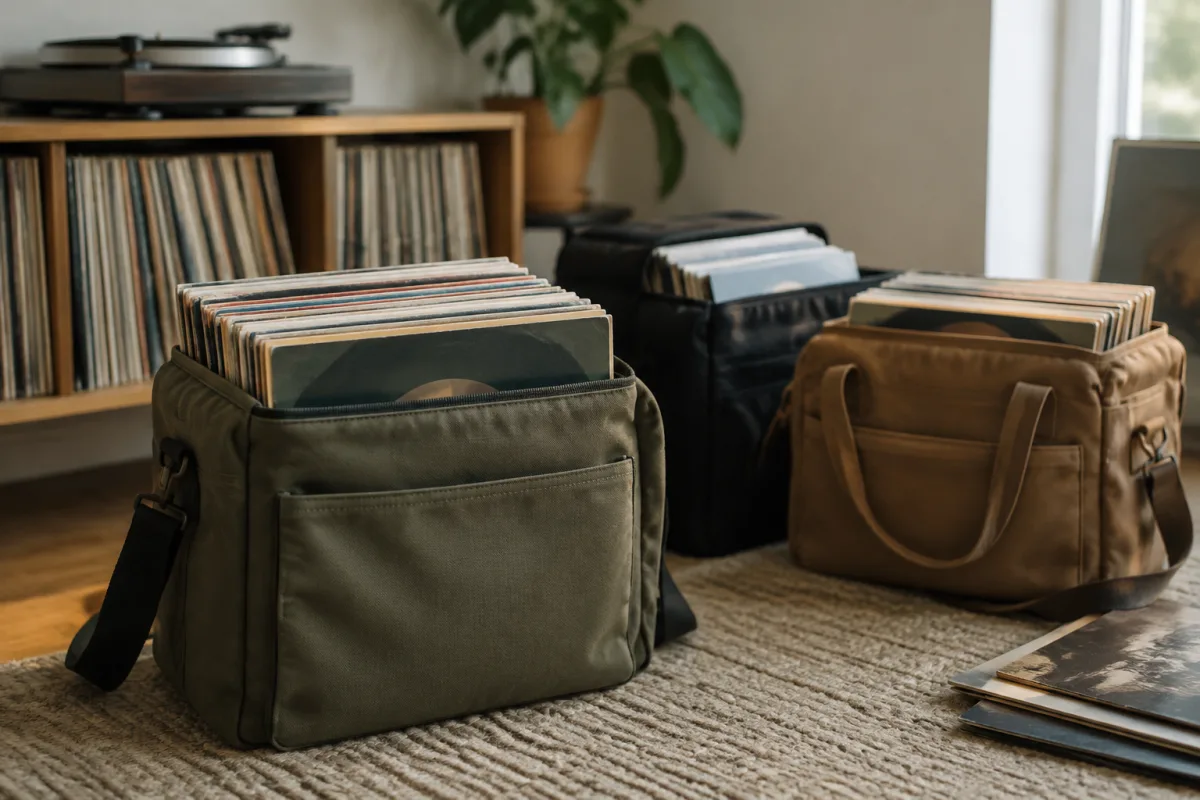
Starting your vinyl record collection or beginning to transport your existing media collection shouldn't feel overwhelming. A record bag is one of the most straightforward purchases a music enthusiast can make, yet many beginners worry about choosing the wrong one. This guide is designed specifically for those just beginning their record bag journey. Whether you're protecting your first vinyl purchase or starting to take your collection places, you'll find the encouragement and practical advice you need to make a confident, smart choice without stress or second-guessing.
Why You Need a Record Bag as a Beginner
Your first instinct might be to simply stack records in an old canvas bag or box, and truthfully, records can survive that approach. However, a proper record bag deserves a place in your setup from the very beginning. Records are surprisingly vulnerable to environmental damage—moisture warps them, temperature swings damage the vinyl chemically, and physical flexing or stacking causes permanent groove damage. A record bag isn't an unnecessary luxury; it's insurance for your music collection.
Beyond protection, a record bag makes music portable and enjoyable. Visiting a friend to share your latest discovery, heading to a record fair to hunt for bargains, or attending a DJ event all become hassle-free when you have a proper record bag. New collectors quickly discover that transporting records safely transforms how you engage with your collection. The investment in a quality record bag pays dividends in both collection preservation and listening enjoyment.
Understanding Record Bag Basics
A record bag is simply a storage container designed with music protection in mind. The essential features are straightforward: interior space for records, some form of padding or structure to prevent excessive movement, and handles or straps for carrying. That's genuinely all you need to get started. Many first-time buyers overthink this—don't. Your record bag doesn't need to be fancy or expensive; it needs to do one job: protect your records whilst being reasonably easy to transport.
Record bags come in several basic styles. Shoulder bags offer convenience for casual transport. Tote-style bags provide larger capacity for extensive collections or event use. Backpack-style record bags distribute weight evenly across both shoulders, making them ideal if you're carrying substantial quantities. Vinyl storage crates combine portability with stationary display appeal. Each style serves different needs, and any of them will adequately protect your records. Choose based on how you imagine using it most frequently.
Choosing Your First Record Bag: A Beginner's Approach
| Use Case | Recommended Style | Capacity | Why It Works |
|---|---|---|---|
| Taking 5-10 records to a friend's | Shoulder Bag | 10-15 LPs | Compact, easy to carry one-handed, convenient for short trips |
| Record fair shopping or DJ events | Tote or Backpack | 20-40 LPs | Larger capacity for discoveries, both hands or shoulders free |
| Everyday collection storage | Vinyl Crate | 50-100 LPs | Stationary display and protection, easy categorisation |
| Moving or archival storage | Heavy-Duty Crate or Box | 100+ LPs | Maximum protection, stackability, long-term preservation |
Don't feel pressured to purchase the most expensive, feature-laden record bag immediately. Beginners benefit from starting simple. A basic shoulder bag or tote that fits your budget perfectly is infinitely better than agonising over premium options you can't justify spending on yet. Many experienced collectors maintain several record bags—a casual bag for everyday use, a professional bag for events, a protective crate for storage. Your first bag is the start of potentially a collection within your collection.
Common Beginner Mistakes with Record Bags
The most frequent beginner error is choosing style over substance. An attractive record bag that doesn't actually protect your records well defeats the purpose entirely. Avoid bags with rigid internal structures that force records into unnatural angles, and steer clear of models with excessive external pockets that tempt you to overload the bag unevenly. The best record bag for beginners is one that keeps records upright, protected from crushing, and relatively uniform in weight distribution.
Another common mistake is underestimating capacity. Beginners often select record bags that fit their current collection but leave no room for growth. One of the joys of vinyl collecting is discovering new music; your record bag will be cramped and frustrating within weeks if you choose one sized exactly for today's dozen records. Select a record bag with capacity for growth—even if you're not filling it completely now, the option prevents immediate replacement purchases.
Overpacking is a genuine risk beginners take. A record bag designed to hold 20 records stretched to hold 35 will damage your records through excessive weight and pressure. Respect the capacity ratings. If you need to transport more records than your bag comfortably holds, that's a sign you're ready to invest in a larger record bag, not a signal to push your current one beyond limits.
Budget-Friendly Record Bag Options for Beginners
Quality record bags don't require enormous financial investment. Reputable brands offer beginner-appropriate record bags in the £15–£35 range that provide excellent protection. These affordable options often outperform decorative, fashion-focused bags costing twice as much. Don't assume that spending more guarantees better protection; focus instead on verified customer experiences and practical features like padded interiors and sturdy construction.
Vintage and second-hand record bags represent fantastic value for budget-conscious beginners. Many established collectors own more bags than they need, creating a steady supply of pre-owned options at charity shops, online marketplaces, and record fairs. A second-hand record bag from a reputable source typically costs half as much as new whilst providing identical protection. This approach lets you test different styles affordably before investing in premium equipment.
Caring for Your Record Bag
Your record bag deserves basic maintenance to ensure lasting protection for your records. Clean the interior occasionally with a soft cloth to remove dust and debris. Check padding or dividers for wear, and replace them if they begin deteriorating. Most record bag issues stem from neglect rather than manufacturing flaws—simple care extends functionality indefinitely.
Store your record bag in a cool, dry location when not in use. Extreme heat can warp padding materials or damage the bag's exterior. Never store records in your record bag in damp environments; moisture damages both records and the bag itself. These basic practices ensure your record bag continues protecting your collection for years.
Expanding Your Record Bag Collection
After a few months with your first record bag, you might discover specific situations where a different style would serve better. That's perfectly normal and part of the collector's journey. Many enthusiasts eventually own a casual bag for everyday transport, a professional bag for events or serious shopping, and stationary storage solutions for primary collection protection. Your first record bag isn't your last; it's the beginning of building a practical, functional collection of carrying solutions tailored to your specific needs.
Don't rush into complex purchase decisions or feel inadequate if your record bag seems basic. Beginners deserve simple, effective solutions that work without confusion. Your record bag's job is protecting music you love—everything else is secondary. For deeper insights into record storage, collection management, and preservation techniques, explore our complete guide to record bag, which covers advanced topics and comprehensive information about vinyl care and collection building.



Comments