


Record Bag Buying guide
Record Bag: A Complete Buyer's Guide
A practical guide to choosing a record bag, covering styles, materials, capacity requirements, price tiers and features that protect your vinyl collection.
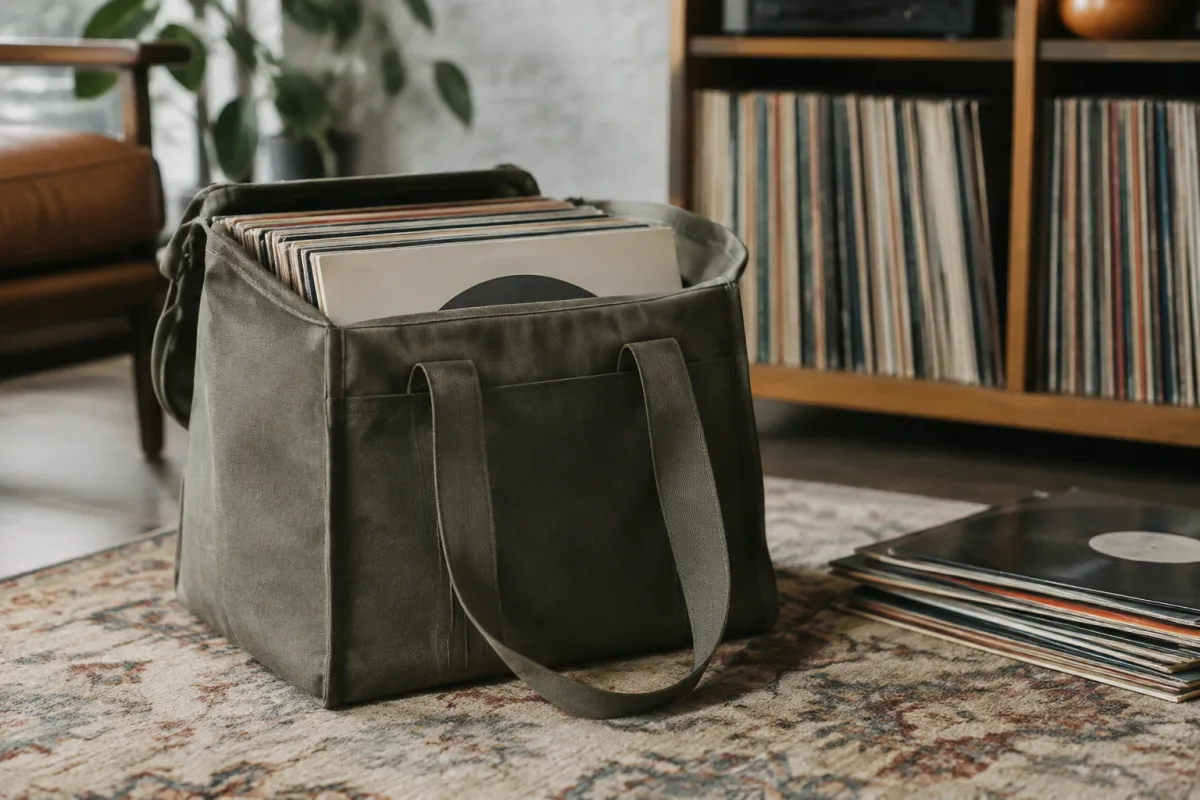
A quality vinyl storage bag is essential for any serious collector or DJ who regularly transports records. Whether you're commuting to gigs, moving house, or simply protecting your prized albums at home, choosing the right record bag can mean the difference between pristine condition and warped, scratched disappointment. This guide covers the key factors to consider when shopping for one—from construction materials to capacity and price points.
Why These Bags Matter
Vinyl records are surprisingly delicate. Records stored standing upright need proper support and cushioning to prevent warping, and a quality bag protects against temperature fluctuations, humidity, dust, and physical damage. Your choice directly affects not only the safety of your collection but also the practicality of enjoying it. A poorly chosen option might leave you lugging an impossibly heavy load to a gig, or worse, arriving with damaged merchandise.
Key Types of Bags
Several distinct styles exist, each suited to different needs.
- Flight cases. Heavy-duty, rigid protective boxes typically holding 100–150 records. Ideal for touring DJs and serious collectors. They're expensive (£300–900) but offer maximum protection and longevity. Weight is a trade-off; expect 20–30 kg when full.
- Vinyl-specific shoulder bags. Designed for 50–80 records, these offer a good balance of protection, portability, and affordability (£50–200). They feature padded interiors, adjustable straps, and compact dimensions. Perfect for regular transport to small venues or home use.
- Canvas tote or messenger bags. Budget-friendly options (£20–80) that hold 30–60 records. Minimal cushioning but lightweight and stylish. Suit occasional collectors or those on a strict budget.
- Crate-style bags. Modern takes on the classic milk crate, holding 60–100 records. Durable plastic frames with canvas or nylon walls offer decent protection at moderate cost (£60–180). Popular with DJs who need quick access to large collections.
- Rolling cases with wheels. Purpose-built for large collections (150–300+ records) and professional touring. Prices range from £250 to £800+. The wheels eliminate the strain of carrying weight, crucial for frequent movers.
Materials and Durability
Construction directly affects how well your collection is protected and how long the bag lasts.
Canvas and heavy cotton are the industry standard for vinyl storage. They're durable, water-resistant (when properly treated), lightweight, and develop a nice patina over time. A 12–15 oz canvas option will last years of heavy use.
Nylon and polyester offer a lighter weight alternative, often found in budget models. They're less breathable than canvas, which can trap moisture, and they're prone to pilling and wear. Fine for occasional use.
Leather appears in premium versions (£400+). It ages beautifully and offers excellent protection, but it's expensive, heavy, and requires maintenance. Only worth it if you value aesthetics as much as function.
Padded interior lining is crucial. Look for at least 2–3 cm of foam or felt padding to cushion records against impact. Cheaper options skimp here, leaving your vinyl vulnerable.
Dividers and compartments prevent records from sliding about during transport. Fixed dividers are reliable; removable or adjustable ones let you customise capacity and access. Most quality models include at least 6–10 dividers.
Capacity: How Many Records Do You Need to Hold?
Capacity ranges from tiny (20–30 records) to enormous (300+ in flight cases). Consider your actual needs, not your dreams.
| Typical Use | Recommended Capacity | Example Scenarios |
|---|---|---|
| Collector (home only) | 30–50 | Display, casual listening, swaps with friends |
| Casual DJ / party playlists | 60–100 | Small house parties, intimate venue gigs (1–3 hrs) |
| Regular DJ / serious collector | 100–180 | Weekly club gigs, radio shows, tour stops |
| Professional / touring | 200–300+ | Multiple shows per week, long tours, large venues |
Don't over-buy. A bag stuffed beyond capacity strains the seams, damages records from compression, and becomes painfully heavy. Aim for one that's full but not overstuffed.
Price and Value Tiers
A quality storage solution is an investment. Budget accordingly, but don't equate price with quality.
Budget (£15–50): Canvas totes and basic nylon bags. Minimal padding, simple construction. Adequate for occasional home use or collecting, but not for frequent transport or valuable collections.
Mid-range (£60–200): Purpose-built vinyl shoulder bags and crate-style carriers. Good padding, adjustable straps, and thoughtful design. Suitable for DJs playing weekly gigs or collectors with regular transport needs.
Premium (£200–500): High-end shoulder bags with exceptional materials, leather accents, or professional flight cases for moderate collections. Worth it if you're moving records frequently or have expensive vinyl to protect.
Professional (£500+): Flight cases, rolling cases with wheels, and bespoke options. For touring professionals or collectors with hundreds of rare records. Often custom-built to specification.
Essential Features to Check
Before making a purchase, verify these features on any candidate option.
- Strap quality and comfort. If you're hand-carrying, padded, adjustable shoulder straps are non-negotiable. Test the strap width and padding—narrow straps cut into the shoulder under weight.
- Handles. A handle at the top (for carrying alongside a strap) is convenient for short moves. Check that handles are stitched securely and reinforced at the stress points.
- Bottom reinforcement. Records are heavy; look for a reinforced base or even a rigid insert to prevent the bag from sagging and crushing the bottom records.
- Ventilation or moisture control. Some options include ventilation panels to prevent mildew and condensation. Useful if you live in a humid climate or store it in damp conditions.
- Pockets. External or internal pockets for accessories (needles, cleaning cloths, adapters) are handy. Not essential but appreciated.
- Fastening mechanism. Zips, velcro, or snaps? Zips offer the most security but can jam. Velcro closures allow quick access. Both work; choose what suits your workflow.
- Proportions for your records. Standard 12-inch vinyl records need interior dimensions of roughly 33 cm (height) × 33 cm (width) × 15–20 cm (depth). Measure before buying if ordering online.
Common Mistakes to Avoid
- Buying too large. A massive option tempts you to overload it, making it dangerously heavy and uncomfortable to carry. Stick to your actual capacity needs.
- Assuming "vinyl-friendly" automatically means protective. Some are marketed as vinyl-safe but skimp on padding. Feel the interior yourself; 2 cm padding should be your minimum.
- Overlooking weight. The container itself contributes weight. A full flight case can weigh 30+ kg before you even move it. Measure the empty weight first.
- Ignoring strap longevity. The strap wears faster than the container. Choose one with replaceable straps or buy a backup at purchase.
- Storing records standing upright long-term. These are for transport only, not permanent storage. Store records lying flat at home to prevent warping.
Where to Buy and What to Look For
Specialist record shops, online music retailers, and dedicated vinyl suppliers stock all types. Whenever possible, visit in person to feel the padding, test the straps, and assess build quality. If ordering online, read reviews carefully—focus on comments about durability and strap comfort, not aesthetics.
For reference, the complete guide to record bags covers history, storage best practices, and maintenance in greater depth.
Making Your Choice
The right option matches your lifestyle. A serious DJ playing weekly gigs should invest in a mid-to-premium model; a casual collector might thrive with a budget tote. Don't let brand hype or appearance override function. The primary job is protecting vinyl and making transport comfortable. If it does both, it's a good choice. Test the weight when loaded with records; carry it for five minutes. If your shoulder aches, it's too heavy. If the padding feels flimsy, it won't protect well enough. Trust your instincts, and remember: the best choice is one you'll actually use.


Comments