


Piano Yamaha Silent Buying guide
Piano Yamaha Silent: A Complete Buyer's Guide
Master Yamaha Silent piano selection. Understand the technology, compare tiers, and discover what makes silent pianos worth the investment.
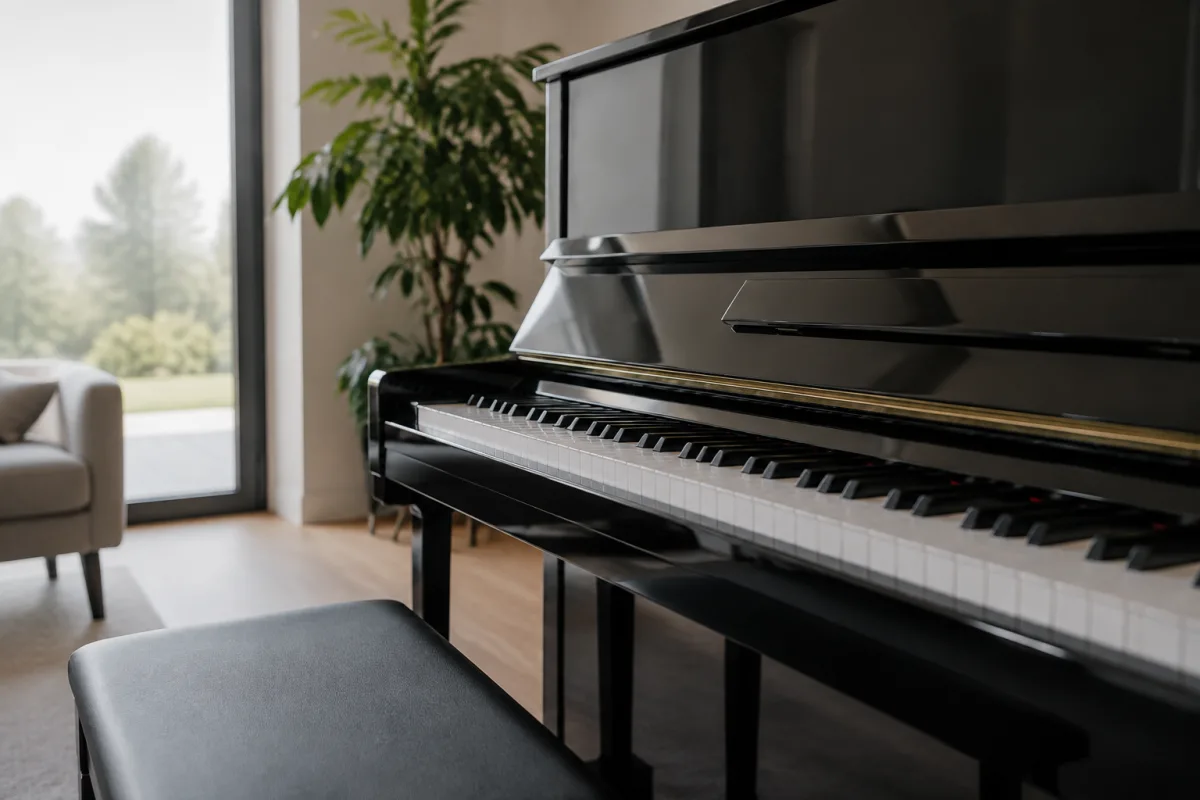
Silent piano technology has transformed how musicians practice at home without disturbing others. If you're considering a Yamaha Silent piano, you need to understand what the silent system actually does, how well it works, and whether a Yamaha Silent piano justifies the premium price over standard acoustic pianos. This buying guide focuses on practical considerations for choosing a Yamaha Silent piano that matches your needs and budget.
Understanding Yamaha Silent Piano Technology
Yamaha Silent pianos feature a special action mechanism that stops the acoustic hammers from striking strings when you activate the silent mode. Instead, the piano responds to hammer movement electronically and triggers sound through headphones or speakers. You get the authentic feel of playing an acoustic piano with complete control over volume—perfect for apartment dwellers or night-time practisers.
The Yamaha Silent piano system includes hundreds of high-quality piano sounds sampled from concert instruments. When playing silently, your Yamaha Silent piano recreates these diverse tones in your headphones. Many Yamaha Silent piano models include multiple sampled instruments—classical pianos, jazz pianos, electric pianos, and more.
Yamaha Silent Piano Model Comparison
| Series | Price Range | Best For | Key Features |
|---|---|---|---|
| NU1X | £15,000-18,000 | Budget-conscious buyers wanting silent capability | Entry-level silent system, adequate sample quality, basic recording |
| NU2X | £20,000-24,000 | Players wanting enhanced acoustics | Improved sampling, CFX and Bösendorfer sounds, metronome |
| N3X | £35,000-42,000 | Serious players and teachers | Premium keyboard action, exceptional samples, advanced connectivity |
| N1X | £50,000+ | Professional performers and concert halls | Bi-sonic sampling, optimal silent mode action, recording studio integration |
| TransAcoustic | £22,000-35,000 | Players wanting silent option without dedicated system | Resonance simulation without internal silent system, hybrid approach |
Silent System Specifications That Matter
The quality of Yamaha Silent piano sampling directly impacts your silent playing experience. Entry-level Yamaha Silent pianos use simpler sample sets that sound adequate for practice but lack the complexity of premium concert grand samples. Mid-range and professional models feature multiple piano samples including CFX and Bösendorfer recordings.
Latency—the delay between pressing a key on your Yamaha Silent piano and hearing the electronic sound—varies by model. Noticeable latency feels unnatural and disrupts your rhythm. Premium Yamaha Silent pianos virtually eliminate latency, whilst entry-level models sometimes exhibit slight delay that takes adjustment.
Headphone volume stability on a Yamaha Silent piano should be consistent. Poor models produce uneven dynamics in headphone mode. Test this during audition by playing soft passages followed by loud ones—the volume should feel natural without jumping.
Acoustic Quality: Silent Mode Affects Performance
When silent mode activates on a Yamaha Silent piano, the acoustic hammers stop before striking strings. This prevents acoustic tone but also slightly changes the keyboard feel. Premium Yamaha Silent piano models minimise this change, maintaining consistent touch between silent and acoustic modes.
Budget Yamaha Silent pianos sometimes feel noticeably different when switching between modes. Your fingers encounter subtly different resistance or key travel. This inconsistency frustrates musicians who alternate between silent and acoustic playing.
Recording and Connectivity in Yamaha Silent Pianos
Most Yamaha Silent pianos include recording capabilities that capture your performances as digital files. This feature is invaluable for reviewing your practice sessions. Premium models offer MIDI connectivity, allowing you to control DAW (Digital Audio Workstation) software directly from your Yamaha Silent piano.
Metronome integration varies by Yamaha Silent piano model. Entry-level models include basic metronome features, whilst premium units offer sophisticated rhythmic accompaniment capabilities. If you plan extensive practice with accompaniment, verify your chosen Yamaha Silent piano's metronome quality.
Price Tiers and Value Considerations
Budget Yamaha Silent Pianos (£15,000-20,000)
Entry-level models provide legitimate silent capability at lower investment. These Yamaha Silent pianos work well for apartment dwellers wanting headphone practice options. Sample quality is adequate though not exceptional. Budget models suit hobbyists and casual practisers.
Mid-Range Yamaha Silent Pianos (£20,000-35,000)
Professional-quality sampling and enhanced acoustic performance characterise this tier. Most serious amateur and semi-professional players find their ideal Yamaha Silent piano in this range. The balance of cost and performance is excellent.
Premium Yamaha Silent Pianos (£35,000-60,000)
Top-tier models offer concert-quality action and sampling. Professionals, recording artists, and enthusiasts justify premium pricing through superior sound and reliability. These Yamaha Silent pianos maintain performance standards for decades of intensive playing.
New Versus Used Yamaha Silent Pianos
Silent piano technology evolves continuously. Older Yamaha Silent piano models may have outdated sampling that sounds noticeably inferior to current systems. However, used models often represent better value if the silent mechanism functions properly.
Verify that the silent system on used Yamaha Silent pianos engages and disengages smoothly. Mechanical issues are expensive to repair. Ask about service history and whether any silent system maintenance has been performed.
Test both silent and acoustic modes thoroughly before purchasing used Yamaha Silent pianos. Listen for noise or grinding from the silent mechanism. The acoustic piano tone should sound natural when silent mode is off.
Common Buying Mistakes to Avoid
- Underestimating headphone fatigue: Extended headphone listening tires ears faster than acoustic sound. Avoid extremely budget-priced Yamaha Silent pianos with poor headphone audio quality.
- Ignoring acoustic piano quality: Yamaha Silent pianos still function as acoustic pianos when silent mode is off. The acoustic tone matters significantly. Don't sacrifice acoustic quality for silent features.
- Overlooking mechanical reliability: The silent system adds mechanical complexity. Ensure your Yamaha Silent piano comes with manufacturer warranty and access to qualified service technicians.
- Skipping proper audition: Test Yamaha Silent pianos using YOUR preferred headphones if possible. Different headphones dramatically change the silent mode experience.
- Buying purely for silent capability: If you only want silent practice, consider a high-quality digital piano instead of a Yamaha Silent piano. You'll save money and gain portability.
- Neglecting space requirements: Yamaha Silent pianos are full-size pianos requiring significant floor space. Ensure your room dimensions accommodate your chosen model.
Audition Considerations for Yamaha Silent Pianos
Schedule multiple auditions with different Yamaha Silent piano models. Compare acoustic tone, silent mode sampling quality, and keyboard feel across the range. Your personal preference matters more than specification sheets.
Test the silent mode with your own headphones if possible. The headphone output character varies significantly between models. Some Yamaha Silent pianos sound thin through headphones, whilst others deliver rich, full tone.
Play extended passages—at least 30 minutes—using silent mode on your potential Yamaha Silent piano purchase. Headphone fatigue increases with inferior models. Only commit to Yamaha Silent pianos whose silent mode remains pleasant after extended listening.
Maintenance and Ongoing Costs
Yamaha Silent pianos require regular tuning like acoustic pianos. Additionally, the silent system occasionally needs service or adjustment. Budget for annual technician visits to maintain both acoustic and silent functions.
Headphone wear requires replacement periodically. Invest in quality headphones—they're worth the extra cost given the hours you'll spend in silent mode.
Making Your Yamaha Silent Piano Decision
Choose a Yamaha Silent piano that balances acoustic tone quality, silent mode sound quality, and price within your budget. A slightly more expensive model with superior sampling and acoustic performance will serve you significantly better than trying to save money on inferior Yamaha Silent piano versions.
For deeper understanding of Yamaha Silent pianos and their broader context in silent piano technology, explore our complete guide to Yamaha Silent pianos.



Comments