


Korg Mono Buying guide
Korg Mono: A Complete Buyer's Guide
Essential buying guide for Korg Mono, covering specifications, sound design, common purchasing mistakes, price considerations, alternatives, and where to purchase.
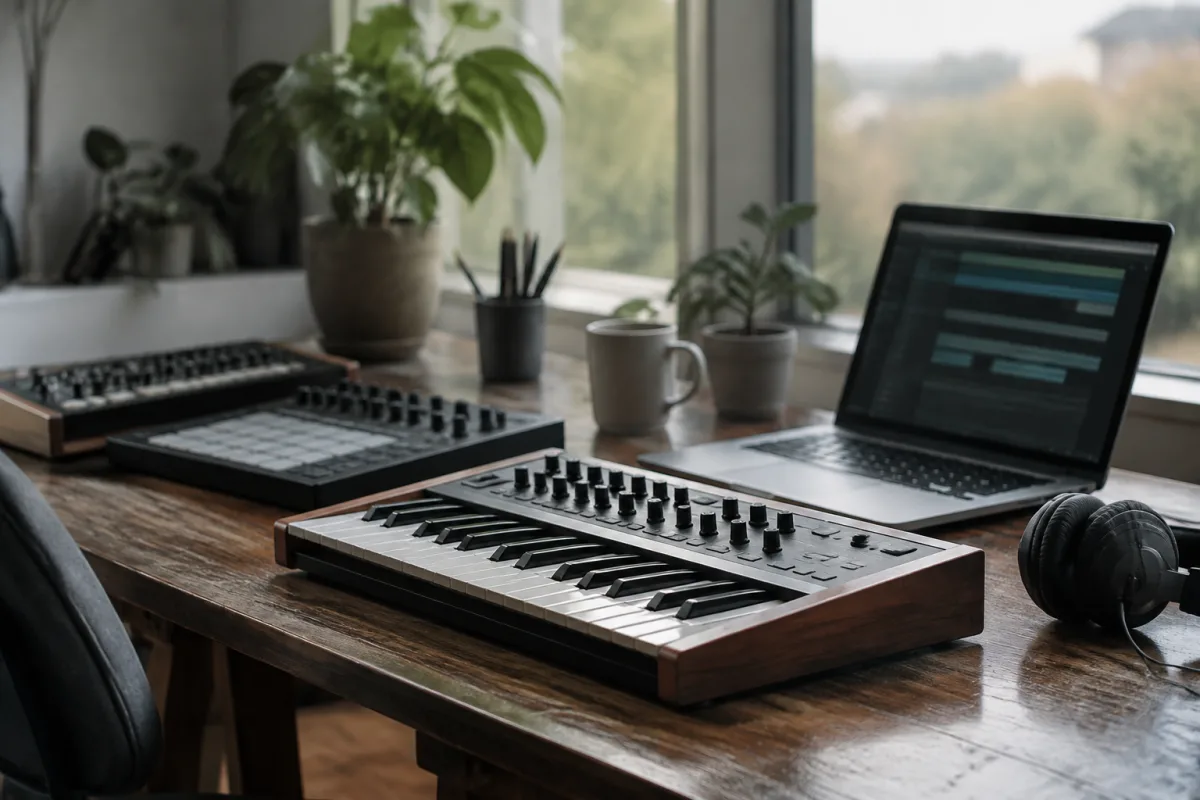
If you're considering purchasing a portable, affordable synthesizer, the Korg Mono represents an excellent entry point into monophonic synthesis. This buying guide covers essential specifications, what to evaluate before purchasing, common pitfalls, price considerations, and where to find the best deals on this versatile instrument.
Understanding Korg Mono Specifications and Sound Design
The Korg Mono is a monophonic synthesizer, meaning it plays one note at a time. This limitation is actually liberating for many musicians—focusing on single-note melodies encourages strong melodic playing and eliminates the complexity of polyphonic voicing. The oscillators provide multiple waveforms (sawtooth, square, triangle) enabling diverse tonal possibilities from warm pads to aggressive basslines.
The filter is crucial to Korg Mono's character. A resonant low-pass filter enables classic synthesizer sounds through cutoff frequency and resonance modulation. If you're familiar with legendary synthesizers like the Moog Minimoog, you'll recognise this essential architecture. The Korg Mono delivers this classic approach affordably.
Envelope generators control amplitude and filter modulation. Understanding how ADSR envelopes affect sound shape is essential when evaluating whether this instrument meets your needs. The Korg Mono provides adequate envelope control for most applications, though more complex modulation demands may exceed its capabilities.
Connectivity includes MIDI input, crucial for playing the Korg Mono from external keyboards or controllers. USB connection enables integration with sequencing software. These features significantly expand the instrument's usefulness beyond standalone operation.
Essential Specifications to Review Before Purchasing
Check the number and type of oscillators. More oscillators enable richer tones through layering and detuning. Evaluate the filter type and modulation capabilities. Research whether built-in effects (like reverb or delay) enhance tonal possibilities or whether the Korg Mono relies on external effects processing.
Examine the sequencer capabilities. Does the Korg Mono include a step sequencer or arpeggiator? These features dramatically affect your workflow and creative possibilities. If you rely on hardware sequencing, these built-in tools might justify purchasing one model over alternatives.
Consider power options. Battery-powered operation provides portability but limited performance duration. AC-powered operation suits studio use but limits mobility. Decide your primary use case before purchasing—studio instrument or portable performance tool?
Evaluate keyboard size and feel. The keys on portable synthesizers often feel flimsy compared to full-sized keyboards. If playability matters significantly to you, test the Korg Mono yourself. Some musicians love the compact feel; others find it limiting for serious playing.
Common Purchasing Mistakes
Underestimating the learning curve is a frequent error. Synthesizer sound design requires understanding oscillators, filters, envelopes, and modulation. The Korg Mono is approachable, but expecting instant gratification without study leads to frustration. Budget time for learning the instrument's capabilities.
Purchasing based solely on price ignores crucial differences between models. The cheapest Korg Mono variant might lack features you actually need. Evaluate your specific requirements before choosing based on cost alone.
Many buyers overlook connectivity requirements. If you plan integrating the Korg Mono into a larger rig, verify MIDI and USB compatibility with your other gear. Purchasing without confirming compatibility creates integration headaches later.
Assuming the Korg Mono will instantly replace expensive studio synthesizers causes disappointment. While capable, it's best understood as a focused, affordable entry point into synthesis. Manage expectations accordingly.
Price Tiers and Value Considerations
Entry-level models cost £300-450 and provide solid sound design without excessive complexity. These suit beginners exploring synthesis without overwhelming feature sets. The affordable price justifies experimentation.
Mid-range Korg Mono options (£450-650) add features like enhanced sequencers, additional effects, or improved keyboards. These target musicians wanting more creative control without excessive complexity. This tier often represents the best value for serious hobbyists.
Premium variants with expanded features cost £650+. Additional oscillators, effects processors, or improved build quality justify higher prices for professional musicians.
Consider the secondary market. Quality synthesizers retain value, but portable instruments typically lose 30-40% of purchase price when resold. Factor this depreciation into your financial planning.
Evaluating Alternatives and Your Needs
Before purchasing a Korg Mono, consider whether you actually need monophonic limitations. Polyphonic synthesizers cost more but offer greater harmonic complexity. Your musical style determines whether monophonic focus is advantage or limitation.
Research competitors at similar price points. Other manufacturers offer portable synthesizers with different feature sets and sonic characteristics. Direct comparison helps identify whether the Korg Mono specifically suits your needs or if alternatives better serve you.
Evaluate software synthesizers as alternatives. Modern virtual synthesizers emulate classic hardware beautifully at fraction of the hardware cost. If hardware portability isn't essential, software might better serve your needs.
Where to Purchase and Warranty Considerations
Established retailers including Sweetwater, Thomann, and specialist synthesizer dealers offer competitive pricing alongside warranty coverage. These vendors typically provide 30-day return policies and manufacturer warranty registration assistance.
Verify warranty terms. Korg typically provides 2-3 year manufacturer warranty on new equipment. Ensure your retailer registers warranty properly—this protection matters considerably for electronic instruments.
Test before purchasing if possible. Many music retailers allow equipment demonstrations. Spend time with the Korg Mono to verify the keyboard feel and workflow match your expectations.
Making Your Purchasing Decision
The Korg Mono represents genuine value for musicians exploring synthesis or seeking affordable monophonic sound design capabilities. Its combination of affordability, portability, and classic synthesizer architecture suits many use cases. However, it's not the right choice for polyphonic keyboard players or those requiring advanced modulation capabilities.
Evaluate your specific needs honestly. Will you genuinely use this instrument regularly? Does monophonic focus appeal or frustrate you? Are you prepared for the synthesis learning curve? Answering these questions determines whether purchasing this synthesizer represents good value for you. For comprehensive information about features, capabilities, and how this synthesizer compares to alternatives, refer to our detailed guide exploring the Korg Mono's full potential and sound design capabilities.


Comments