


Types of Trumpets Instruments article
Types Of Trumpets Instruments for Beginners: A Complete Guide
Understanding types of trumpets as a beginner doesn't have to be complicated. Learn which trumpet to start with, avoid costly mistakes, and build confidence from your first practice session.
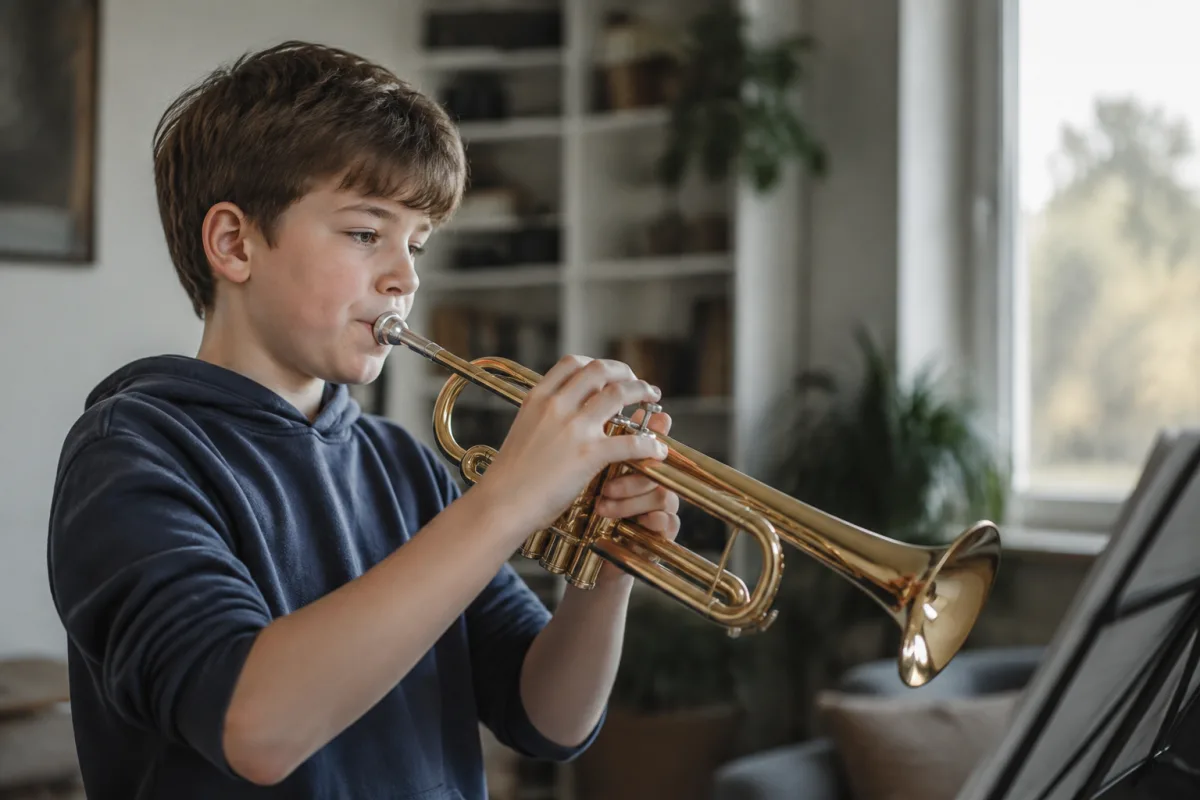
Starting your trumpet journey can feel overwhelming—there are more varieties than you might expect, and choosing the right one makes all the difference in your early learning experience. This guide is designed specifically for beginners who want to understand types of trumpets without the technical jargon, so you can make a confident choice and enjoy learning from day one.
Why Trumpet Type Matters for Beginners
Before you touch a single trumpet, it's worth knowing that not all types of trumpets are created equal for learning. The type you choose affects how easily you'll play your first notes, how comfortable practice sessions feel, and whether you'll stay motivated. Many beginners don't realise this—they grab whatever's available and then struggle unnecessarily. Understanding the main categories helps you avoid that frustration from the start.
The Three Types You Need to Know
In the real world, most learners encounter three main types of trumpets. Rather than getting lost in every variety that exists, focus on these core options:
| Trumpet Type | Best For | Starting Price Range | Key Characteristic |
|---|---|---|---|
| Bb Trumpet (B-flat) | Most beginners | £200–£600 | Easiest to learn, most common |
| Piccolo Trumpet | Advanced learners | £400–£1,200 | Higher pitch, more challenging |
| C Trumpet | Classical or orchestral focus | £300–£1,000 | Professional sound, steeper learning curve |
Starting with the Bb Trumpet
Honestly, if you're reading this as a complete beginner, the Bb trumpet is your answer. It's the standard beginner instrument, and that's not because manufacturers want to limit you—it's because it genuinely is the easiest type to learn. Your hand position feels more natural, your embouchure (the mouth shape for playing) develops more easily, and the instrument's design helps you produce decent sounds quickly. That early sense of achievement matters: it keeps you practising when things get hard.
The Bb trumpet is also the most forgiving type when it comes to cheaper student models. You don't need a £2,000 professional instrument to start learning. A well-made student Bb trumpet around £300–£500 will serve you brilliantly for your first few years.
When to Consider Other Types
The piccolo trumpet and C trumpet have their place, but not at the beginning. Beginners who jump straight to these types often abandon trumpet altogether because they struggle with fundamental techniques. The physics of these instruments demands better breath control and embouchure strength than a Bb trumpet—things you only develop through months of practice on an easier instrument.
You might move to a C trumpet once you've played a Bb for 2–3 years and want to explore orchestral music. Piccolo trumpets are rarer for beginners unless you're specifically drawn to classical piccolo trumpet repertoire (which is quite niche).
Three Common Beginner Mistakes to Avoid
Learning from others' mistakes saves you time, money, and frustration. Here are the biggest traps beginners fall into:
Mistake 1: Choosing Based on Price Alone
A trumpet that costs £80 isn't a bargain—it's a false economy. Cheap instruments play poorly, feel awkward, and actually make learning harder because the mechanics are off. Your embouchure forms incorrectly to compensate for the instrument's poor design. Then when you upgrade to a decent instrument, you have to relearn everything. Aim for a proper student model from a reputable brand, even if it means waiting a bit longer.
Mistake 2: Not Testing the Instrument First
You wouldn't buy shoes online without knowing your size. Trumpets vary in how they feel in your hands, how the mouthpiece sits, and how responsive they are. Visit a music shop and try a few different instruments if possible. A teacher's recommendation is invaluable—they'll have suggestions tailored to your hand size and playing style.
Mistake 3: Buying a Type You're "Meant" to Graduate To
Some beginners buy a C trumpet or piccolo trumpet thinking they'll "grow into it." You won't. You'll struggle for a year, get discouraged, and give up. There's no shame in starting with a Bb trumpet—professionals did too. Move up when you're ready and when your teacher says you're ready, not because you want to skip steps.
Your First Steps with Any Trumpet Type
Once you've chosen a Bb trumpet, here's your roadmap:
- Get a teacher. Finding the right instrument matters, but finding a good teacher matters more. They'll guide you on technique, prevent bad habits, and help you understand which types of trumpets might suit you later.
- Invest in maintenance basics. A valve oil and slide grease cost a few pounds but keep your instrument working smoothly. A proper case protects your investment.
- Start with short practice sessions. Twenty minutes a day is better than an hour once a week. Your lips need time to adjust, and consistency builds muscle memory.
- Learn the anatomy. Know the difference between pistons, slides, and the bell. Understanding how your instrument works helps you care for it and troubleshoot problems.
Beyond the Basics: Understanding Valve Configurations
Every trumpet type uses valves, but here's something useful to know early: most Bb trumpets come with three valves in a specific configuration. The valve setup affects intonation and tone slightly, but for beginners, this is secondary to just learning to press the right combination at the right time. Your teacher will guide you through valve combinations as you learn simple tunes.
How Beginner Models Differ from Professional Instruments
If you've ever wondered why a student Bb trumpet costs £300 and a professional one £1,500+, it's worth understanding the difference—not to feel like you're missing out, but to set realistic expectations for your learning journey. Student models use slightly simpler manufacturing techniques and more affordable materials. Professional instruments have precision-engineered valves, higher-quality brass, and finer tuning. For a beginner, these differences don't matter yet. Your ear isn't trained to notice them, and your technique isn't advanced enough to exploit the professional features. That's not a limitation—it's realistic planning.
Finding the Right Type for Your Goals
Think about what drew you to trumpet in the first place. Do you want to play in a jazz band, a symphony, or for personal enjoyment? Your eventual goal doesn't change your starting point—you still begin with a Bb trumpet—but it might influence which one you buy. A jazz-focused beginner might prefer a trumpet with a slightly brighter response, whilst a classically-minded learner might prioritise a fuller tone. Discussing this with your teacher or a shop assistant helps you find the right fit.
For more comprehensive information about different varieties and their characteristics, check out the complete guide to types of trumpets instruments.
Your Confidence Starts Here
Understanding types of trumpets as a beginner means you're not choosing blindly. You know why the Bb trumpet makes sense for you, you understand what to avoid, and you're ready to start learning with an instrument that suits your needs. That knowledge translates directly into confidence—and confidence makes you practice more, improve faster, and actually enjoy the journey. Your first steps matter, and choosing wisely puts you on the right path from day one.


Comments