


Types of Trumpets Instruments Buying guide
Types Of Trumpets Instruments: A Complete Buyer's Guide
Purchasing the right trumpet type requires understanding how different variants suit distinct playing styles and skill levels. This guide helps you select the optimal trumpet for your needs.
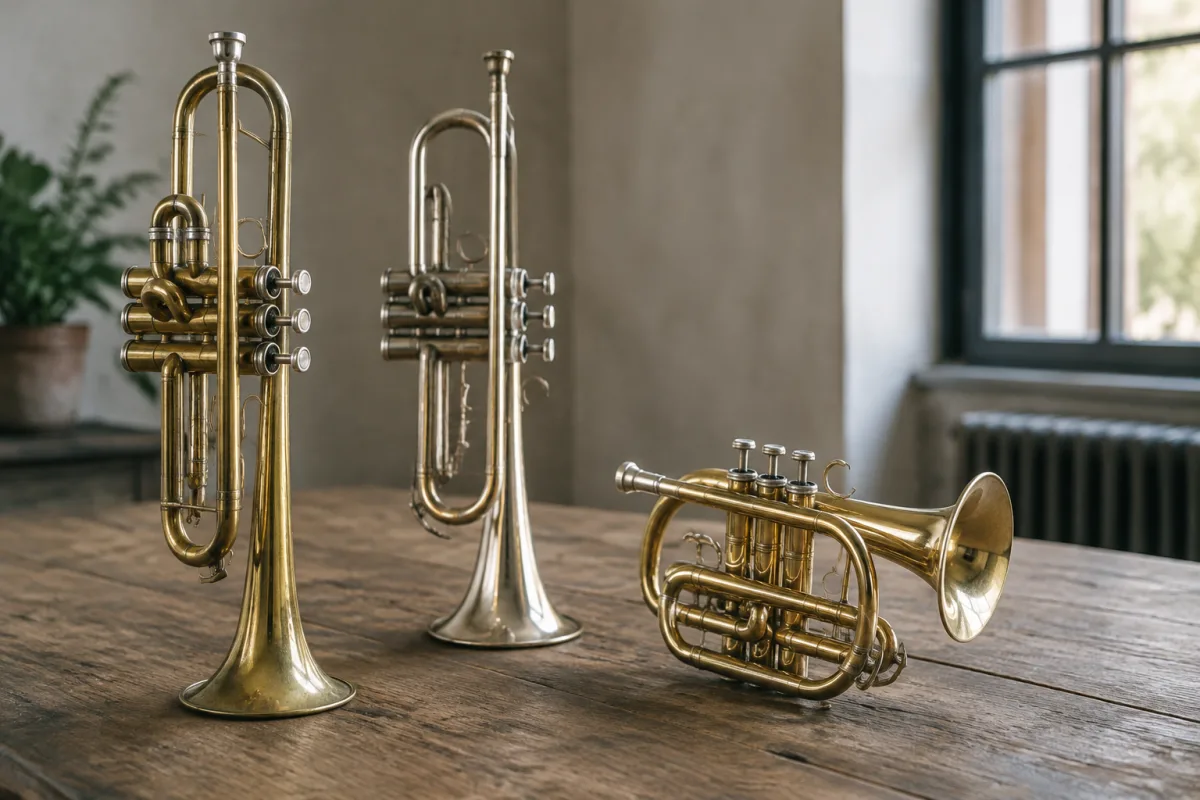
Purchasing the right type of trumpet requires understanding how different trumpet variants suit distinct playing styles, musical genres, and skill levels. Whether you're a beginner exploring brass instruments or an experienced player seeking specialised equipment, selecting among trumpet types—Bb, C, Piccolo, and others—ensures your investment matches your musical goals and technique development. This guide cuts through marketing claims and equipment terminology, providing practical evaluation criteria distinguishing one trumpet type from another and guiding you toward the optimal choice for your specific needs and budget.
Understanding Trumpet Types and Their Musical Applications
Professional trumpet players typically own multiple trumpet types, each optimised for distinct musical contexts. The Bb trumpet represents the universal standard for orchestral, jazz, and educational settings; nearly all players start here. The C trumpet delivers brighter tone preferred for orchestral soloists and some chamber musicians. The Piccolo trumpet addresses high-register works including Baroque and classical repertoire requiring extreme upper range. The Flugelhorn, despite different naming, functions as an alternative trumpet variant with warmer, mellow tone suited to jazz and cornet-influenced playing. The Cornet shares trumpet ancestry with subtly different bore geometry producing distinctive tone character appealing to some players. Understanding which type matches your intended musical applications—orchestral, jazz, solo performance, or educational—guides intelligent purchasing decisions preventing instruments incompatible with your goals.
Key Specifications to Evaluate When Purchasing Trumpet Types
Several technical specifications distinguish quality trumpet types from mediocre alternatives. Bore diameter—the trumpet's internal width—fundamentally affects tone character and responsiveness; smaller bores suit orchestral and chamber players seeking bright, precise tone, whilst larger bores suit jazz players prioritising warmth and flexibility. Bell size influences projection and tonal warmth; larger bells produce fuller tone requiring more breath support. Valve design—either piston or rotary—affects mechanical responsiveness; piston valves suit most players whilst some professionals prefer rotary designs for specific tone characteristics. Brass composition—yellow brass, rose brass, or yellow brass with specific alloy percentages—subtly affects tonal warmth; professional players often voice strong preferences though differences prove subtle for developing players. Valve alignment precision directly impacts intonation accuracy; high-quality instruments maintain alignment across playing range. Water key design and leadpipe quality affect moisture management and initial tone response. These accumulated specifications create distinct sonic and playability characters distinguishing trumpet types and quality levels.
Price Tiers for Different Trumpet Types
Budget trumpet types (£300-£600) deliver solid reliability and acceptable tone quality suitable for students and hobbyists developing fundamental skills. Entry-level Bb trumpets in this range teach proper technique without requiring substantial investment. Intermediate trumpet types (£600-£1,200) incorporate improved valve mechanisms, refined bore geometries, and quality hardware appealing to serious players progressing through advanced technique. Professional trumpet types (£1,200-£2,500+) feature boutique construction, premium materials, and meticulous voicing satisfying demanding performers. Specialised types including C trumpet, Piccolo, and Cornet typically command premium pricing reflecting limited market demand and specialised manufacturing. Used trumpet types offer substantial savings—secondary market pricing typically runs 40-50% below new retail for comparable quality. Your appropriate investment correlates directly with your experience level and playing commitment; recreational players gain diminishing returns from expensive professional models.
Common Mistakes When Purchasing Trumpet Types
Several purchasing errors plague trumpet type buyers. Purchasing premium models before developing solid fundamental technique wastes capital and prevents proper learning; advanced instruments require developed embouchure and air control exploiting their responsiveness. Assuming all Bb trumpets sound identically ignores substantial variations between brands and price tiers; tone character and responsiveness vary dramatically. Neglecting bore size evaluation results in instruments mismatched to your playing style; selecting the wrong bore creates frustration impossible to overcome through practice. Buying without testing playability ensures buyer's remorse; competitive players require hands-on evaluation confirming responsiveness and comfort. Ignoring professional guidance from experienced instructors leads to inappropriate model selection; teachers familiar with student progression provide invaluable recommendations. Purchasing specialised trumpet types—C trumpet, Piccolo, Cornet—before mastering Bb trumpet fundamentals limits playing capability; specialised types reward developed technique. Finally, assuming older or vintage trumpet types deliver superior tone misrepresents manufacturing improvements; modern professional instruments rival vintage equivalents through consistent, reliable construction.
Bb Trumpet versus Other Types: Deciding What's Best for You
The Bb trumpet represents the optimal starting point for virtually all players regardless of ultimate musical goals. Its familiar bell pitch, abundant available repertoire, and compatibility with most ensembles make it ideal for development. The C trumpet, whilst pitched higher requiring transposition adjustments, offers advantages for orchestral players seeking bright, precise tone preferred in some classical contexts. The Piccolo trumpet addresses ultra-high range requirements in Baroque and contemporary classical works, serving specialists rather than general players. The Flugelhorn and Cornet appeal to jazz and traditional brass band players preferring characteristic warmth. Selecting based on your intended primary musical context ensures the chosen type suits your actual needs. Consider purchasing Bb trumpet initially, developing comprehensive technique, then exploring specialised types as your playing progresses and musical interests diversify.
Evaluating Trumpet Type Construction and Condition
Careful inspection distinguishes quality instruments from defective units regardless of price. Examine the bell for dents or damage affecting tone quality and projection. Check valves for smooth operation without grinding, binding, or sluggish response. Test all three valves individually confirming prompt engagement and release. Inspect valve slides for straightness; bent slides cause intonation problems impossible to correct. Examine solder joints throughout the instrument; cracks or separation indicate poor construction or previous damage. Check leadpipe for internal obstructions or foreign matter. Test the water key smoothness; stiff mechanisms complicate moisture management. Play the instrument through your intended mouthpiece assessing tone character consistency across registers. These assessments reveal whether the specific trumpet type represents quality construction or exhibits manufacturing compromises.
Mouthpiece Selection Affecting Your Trumpet Type Purchase
Your mouthpiece choice profoundly affects how trumpet types perform and feel. Mouthpiece cup diameter and depth influence tone character and required embouchure tension; smaller cups suit jazz and chamber players, larger cups suit orchestral and ensemble players. Rim design—sharp or rounded—affects comfort and endurance during extended playing. Throat diameter controls air velocity and resistance level; players with developed air support prefer tighter throats. Most trumpet purchases include a generic mouthpiece adequate for learning but limiting for advanced players. Professional players frequently purchase superior mouthpieces separately (£50-£200+) matching their specific embouchure and tonal preferences. Evaluating trumpet types using your own preferred mouthpiece ensures accurate assessment of tone and responsiveness; different mouthpieces significantly alter instrument characteristics.
Making Your Trumpet Type Purchase Decision
After evaluating specifications, construction, and playing characteristics, make a decisive purchase aligned with your musical goals and commitment level. Visit retailers offering hands-on testing; trumpet types benefit from extended playing time assessing comfort and responsiveness. Consult with experienced instructors regarding optimal starting types and recommended brands. Prioritise playability and tone character over visual appeal or brand reputation. Confirm the retailer's return policy enabling exchange if the trumpet proves incompatible with your playing style. Budget for professional setup by qualified technicians, ensuring optimal valve alignment and playability. Invest in quality maintenance supplies including appropriate oils, grease, and cleaning materials. Once purchased, dedicate consistent practice developing solid technique; superior trumpet types reward disciplined engagement with noticeably improved tone and musical expression.
For comprehensive information about types of trumpets and their characteristics, explore our complete guide to types of trumpets instruments.


Comments