


Yamaha Organ article
Yamaha Organ for Beginners: A Complete Guide
A Yamaha organ sounds professional from your first session, and it's easier than you think to get started. Here's your beginner's roadmap.
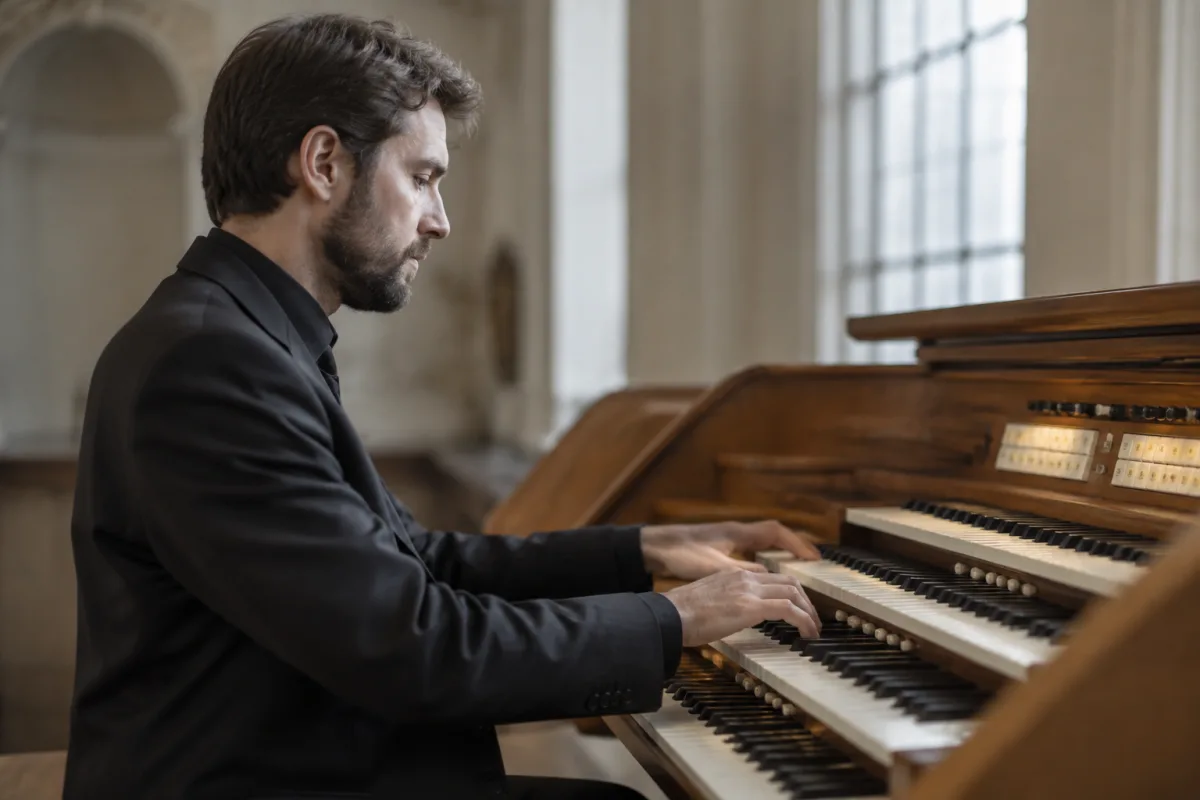
Thinking about learning organ and considering a Yamaha organ? You're making a smart choice. A Yamaha organ is a bridge between traditional pipe organs and modern digital keyboards—it sounds warm and inviting, it's easier to play than a piano for many beginners, and it opens a world of musical genres from jazz to pop to gospel. If you're nervous about whether you can actually learn organ, or you're wondering if a Yamaha organ is the right starting point, this guide will ease your mind and get you off to a confident start.
Why a Yamaha Organ Is Perfect for Beginners
Yamaha has been making organs since the 1960s, and they've built a reputation for instruments that are accessible, reliable, and genuinely fun to play. A Yamaha organ doesn't require you to be a classical pianist. The key action (how the keys feel when you press them) is lighter than a piano, which means your fingers won't get as tired during practice. The sound is rich and forgiving—mistakes don't stick out as harshly as they do on a piano. And perhaps most importantly, a Yamaha organ can sound professional and satisfying after just a few weeks of playing.
Unlike some instruments where you need months before you sound halfway decent, organ lets you make music immediately. Learn a few chord progressions, add some rhythm with the pedal bass, and you sound like you've been playing for years. That early sense of success keeps you motivated.
Understanding Your Yamaha Organ
The first time you sit at a Yamaha organ, it looks intimidating—keyboards, drawbars, pedals, controls everywhere. Let's break it down so it feels manageable:
The Keyboards
Most Yamaha organs have two keyboards (manuals) stacked vertically, and sometimes a third. The upper keyboard is usually brighter and more articulate; the lower is warmer and deeper. As a beginner, you can focus on playing the upper keyboard until you're confident. The lower manual and pedals come later. Each keyboard is simply a piano keyboard—same layout, same notes, just in a different register.
Drawbars (or Controls)
These metal or plastic sliders control which tones (called "stops" in traditional organ terminology) sound. You might have drawbars labelled "Flute," "Reed," "String," etc. Each one adds a different harmonic colour. As a beginner, you don't need to understand why they work this way—just know that moving them changes your tone. The beauty of a Yamaha organ is that the preset combinations sound good already. Experiment later; start with a nice, warm preset.
Percussion and Rhythm
Many Yamaha organs include rhythm sections (drum machines) and percussion sounds. You can press a button and the organ lays down a groove—drums, bass, everything. This is genuinely fun and helps you feel the groove while you're still learning to play melody. It's not "cheating"—it's a built-in practice tool.
The Bass Pedal Keyboard
Below the keyboards sits a set of pedals (like an organ or a piano with pedals, but these are played with your feet). Beginners sometimes panic about the pedals, but you'll get there. For now, ignore them. Your hands are enough to get started.
The Volume and Expression Pedal
One pedal (or sometimes a knee lever) controls volume dynamically. Learn to use this after you've got your hands sorted—it adds expression and control.
Setting Up and Getting Started
Positioning Yourself
Sit on the organ bench so your elbows are slightly bent when your fingers are on the keys. Your feet should reach the pedals comfortably (even if you're not using them yet). If the bench height is adjustable, find the sweet spot. An uncomfortable seat ruins practice quickly.
Choosing Your Tone
Most Yamaha organs have preset buttons—just press one and you've got a complete, balanced sound ready to go. Pick something warm and approachable (often labelled "Soft Organ" or similar). You don't need to understand the drawbars yet. Presets are there for this reason.
Your First Sounds
Place your right hand on the upper keyboard and play a simple scale: C, D, E, F, G, A, B, C. Listen to how warm and full each note sounds. Now hold down one key and notice how long it sustains—that's the "release" of an organ tone. It's gloriously different from a piano. That character is what makes organ special and why even beginners can sound musical.
Learning Your First Progression
Organ is all about chords. Try this: play C (left hand), E (middle fingers), G (right hand) for a C major chord. Hold it. Now move all three fingers down one white key: B, D, F sharp for a B minor chord. Do this slowly, listening to how the sound changes. You've just learned the foundation of organ playing—hand position for chords.
Overcoming Beginner Challenges with a Yamaha Organ
Challenge 1: The Drawbars Intimidate Me
They look complicated, but they're not. Think of them as tone tint. Leave them alone while you learn to play. Later, when you're comfortable, move one slider at a time and listen to what changes. Experimentation is how you learn.
Challenge 2: I Don't Know How to Play Piano-Style Keyboards
Organ is actually easier than piano for many beginners because (a) organ keys require less pressure, (b) the sound is forgiving, and (c) you can make music with just hand position and chords—no need for sophisticated technique. Start with simple melodies and basic three-note chords. You'll improve faster than you'd expect.
Challenge 3: The Pedals Seem Impossible
Ignore them for your first month. Your hands are enough. Once you're confident with the upper keyboards and left-hand chords, add the pedals gradually. Pedal technique is separate from hand technique—learn them sequentially, not simultaneously.
Challenge 4: I Don't Know Any Organ Songs
Start with hymns, soul songs, and gospel classics—these are organ staples and often simpler than they sound. YouTube has plenty of beginner organ tutorials. Learn "Amazing Grace" or "Stand By Me"—they're shorter, use basic chords, and they sound genuinely moving on an organ.
Your First Week: A Practical Plan
- Day 1–2: Sit at the Yamaha organ daily for 10–15 minutes. Play scales on the upper keyboard. Listen to how the instrument sounds. Press different preset buttons and notice the tonal differences.
- Day 3–4: Learn a simple three-note chord (C-E-G). Play it repeatedly, slowly. Listen to its resonance. Move it up and down by one key at a time (C-E-G to D-F#-A, etc.).
- Day 5–6: Pick a simple song you know (hymn, children's song, simple pop tune) and figure out the melody by ear on the upper keyboard. Don't worry about perfection; getting close is the point.
- Day 7: Try playing melody with your right hand and simple chords with your left hand simultaneously. It'll be awkward at first. That's normal. Slow tempo, no pressure.
Maintenance and Care for Your Yamaha Organ
A Yamaha organ is a robust instrument. Dust it occasionally with a soft cloth. Keep it away from direct sunlight and extreme temperature changes. If you spill something on the keys, dry them immediately (use a cloth, not your hand). Every few years, have a technician check the key action and moving parts—minimal maintenance, but it keeps everything smooth.
Next Steps After Your First Month
Once you're comfortable with the upper keyboard and basic chords, explore: adding left-hand bass patterns, learning simple gospel or jazz progressions, adding rhythm grooves to play along with, and finally, the pedal keyboard. Each step builds naturally on the last. There's no rush.
If you want deeper technical knowledge about Yamaha organ models, advanced drawbar techniques, genres suited to organ, or performance tips, the complete guide to Yamaha organ covers all that territory. For now, focus on enjoyment and consistency. A Yamaha organ rewards regular practice quickly, and that positive feedback is the best motivator.


Comments