


Yamaha Organ Buying guide
Yamaha Organ: A Complete Buyer's Guide
Choosing the right Yamaha organ requires matching specifications to your realistic playing goals and budget.
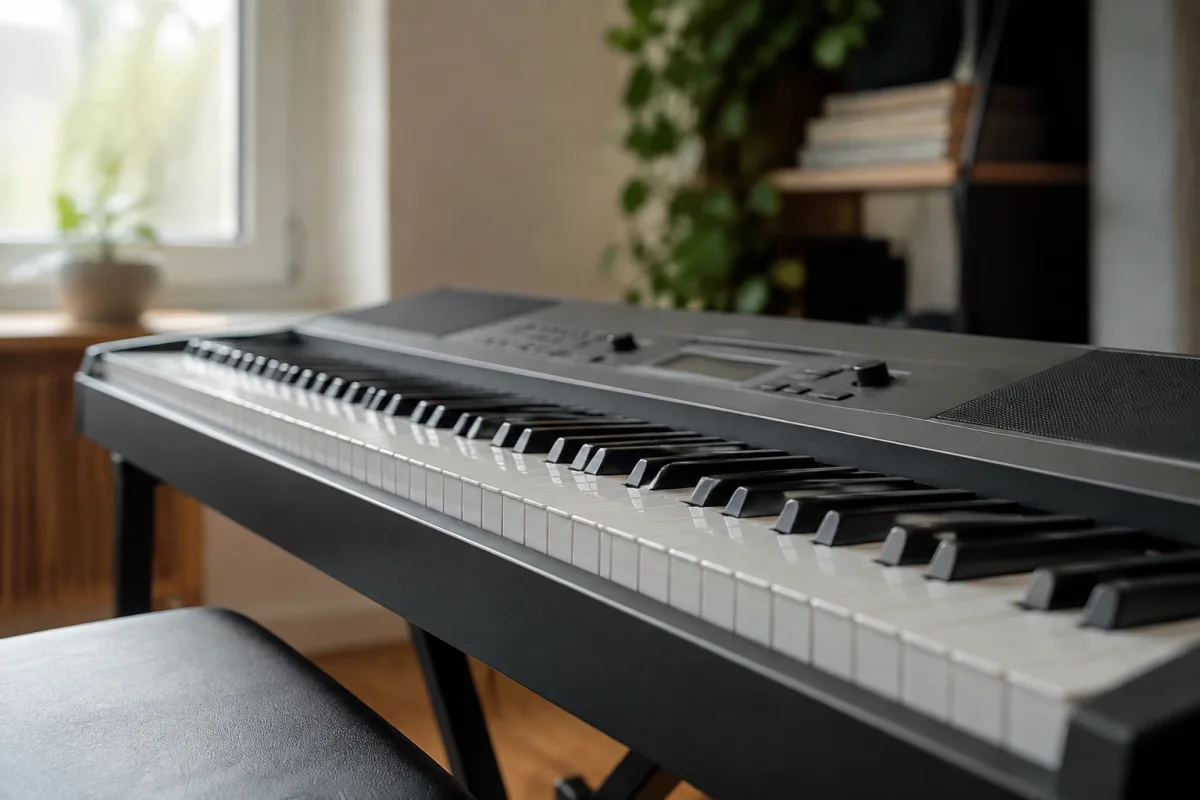
Buying a Yamaha organ requires understanding your actual playing style and needs before committing thousands of pounds to a keyboard instrument. A Yamaha organ represents a significant investment, and the difference between an excellent choice and a financial regret hinges entirely on knowing what specifications matter for your specific situation. This buying guide cuts straight to practical decision-making: what differentiates models, how to evaluate sound quality authentically, identifying the right price tier for your ambitions, and spotting common buyer mistakes that lead to expensive buyer's remorse. Whether you're replacing a worn instrument or investing your first serious money in a Yamaha organ, understanding these considerations transforms your purchase into a genuinely rewarding decision.
Why Yamaha Organs Matter for Your Decision
Yamaha organs occupy a fascinating market position—respected for reliability and tone quality, yet varied enough that casual shoppers often waste money on instruments that don't match their needs. A budget Yamaha organ entry-level model might suit hobby players perfectly, but dissatisfy serious performers. Conversely, purchasing professional-grade equipment you never fully utilise represents wasteful overspending. Understanding Yamaha organ's range and your realistic needs before visiting showrooms prevents both extremes.
Critical Specifications When Buying a Yamaha Organ
Keyboard action dramatically affects your playing experience. A Yamaha organ with weighted keys simulates piano touch and suits classical playing; unweighted action suits rock and contemporary music where lighter touch feels more natural. Count the keys—most Yamaha organs come in 61-key or 88-key configurations. Entry-level Yamaha organ units offer 61 keys; professional models typically feature full 88-key keyboards. More keys mean higher cost and larger physical footprint, but genuine versatility. Check polyphony—the simultaneous note capability. Budget Yamaha organ models might limit simultaneous sounds; higher-end Yamaha organs offer unlimited polyphony, crucial for complex layering. Examine the built-in rhythm section. Quality Yamaha organ rhythm engines add genuine musicality; cheap implementations sound amateurish.
Sound Quality: What Actually Matters
Listen to a Yamaha organ's base sounds—organ tones, keys, strings, brass, woodwinds. Do they sound convincing or obviously synthetic? Quality Yamaha organ voices fool listeners; poor implementations sound thin and cheap. Play the same phrase on several Yamaha organ models in your price range. The best-sounding option usually costs proportionally to quality. Examine built-in effects. A Yamaha organ with quality reverb, chorus, and delay enhances playability dramatically; cheap effects sound brittle and processed. Test effects bypass—can you easily disable effects to hear base sound? Professional Yamaha organ features allow quick switching; budget models sometimes force awkward menu navigation.
Price Tiers and What They Include
Budget Yamaha organ units (under £800) suit absolute beginners and hobby players. These instruments sound adequate for learning but lack professional capabilities. Expect limited sounds, basic rhythm engines, and lightweight construction. Mid-range Yamaha organ models (£800-2,500) serve serious hobbyists and semi-professional players. These Yamaha organ instruments offer respectable sound quality, usable rhythm sections, reasonable built-in effects, and durable construction. This tier represents excellent value. Professional Yamaha organ keyboards (£2,500+) cater to touring musicians and studio work. Expect premium sound engines, unlimited polyphony, professional-grade effects, weighted keys simulating acoustic instrument response, and construction designed for road use. A Yamaha organ at this level represents genuine investment in your musicianship.
Feature Checklist Before You Buy
Connectivity matters for modern playing. Does your Yamaha organ have USB/MIDI connections for computer integration? Can it function as an audio interface? Quality Yamaha organ models integrate seamlessly with modern recording setups. Check power requirements—many Yamaha organ instruments run on batteries, useful for portable playing. Examine the speaker system. Budget Yamaha organ units have tinny built-in speakers; professional models either offer excellent built-in speakers or professional audio outputs for external amplification. A Yamaha organ meant for live performance needs reliable amplification options.
Common Buying Mistakes With Yamaha Organs
Don't buy based on flashy feature lists without considering your actual playing style. A Yamaha organ loaded with 500 sounds you never use wastes money on unnecessary features. Don't prioritise appearance over playability. A beautiful-looking Yamaha organ that feels awkward to play creates frustration that outweighs aesthetic appeal. Don't ignore connectivity requirements. If you'll record with your Yamaha organ or integrate it with other equipment, professional connectivity becomes essential, not optional. Don't dismiss used Yamaha organ instruments prematurely. Quality used Yamaha organ keyboards often offer excellent value, particularly professional models where previous owners have already absorbed depreciation.
Trying Before You Buy
Spend serious time with potential Yamaha organ instruments in-store. Play repertoire you actually perform, not just simple demonstrations. Does the Yamaha organ feel comfortable for extended sessions? Do the sounds suit your musical style genuinely? Ask for detailed comparisons between your shortlisted models. Quality dealers provide side-by-side demonstrations. Request samples with varied rhythm sections and effects. Take recordings if the shop allows—listening at home reveals details in-store ambiance might obscure. A Yamaha organ purchase decision should never happen impulsively; invest the time to evaluate thoroughly.
Setup and Learning After Purchase
New Yamaha organ owners often waste capabilities through unfamiliarity with features. Invest time learning your specific model's menu structure and capabilities. Many Yamaha organ instruments include excellent tutorial content. Join user communities—Yamaha organ owner forums provide invaluable tips for maximising your instrument's potential. Regular Yamaha organ maintenance keeps instruments in optimal condition. Most Yamaha organs require minimal servicing beyond occasional cleaning and occasional firmware updates, but user manuals provide specific guidance.
Conclusion
Choosing the right Yamaha organ requires matching specifications and capabilities to your realistic playing goals and budget. For detailed technical specifications, model comparisons, and comprehensive features, consult the complete guide to Yamaha organ. Taking time to evaluate your options thoughtfully and test instruments thoroughly transforms your Yamaha organ purchase into an investment that genuinely serves your musicianship for years ahead.


Comments