


Organ or Piano Buying guide
Organ Or Piano: A Complete Buyer's Guide
Piano and organ are fundamentally different instruments. This guide covers sound, touch, price, and which one fits your musical goals.
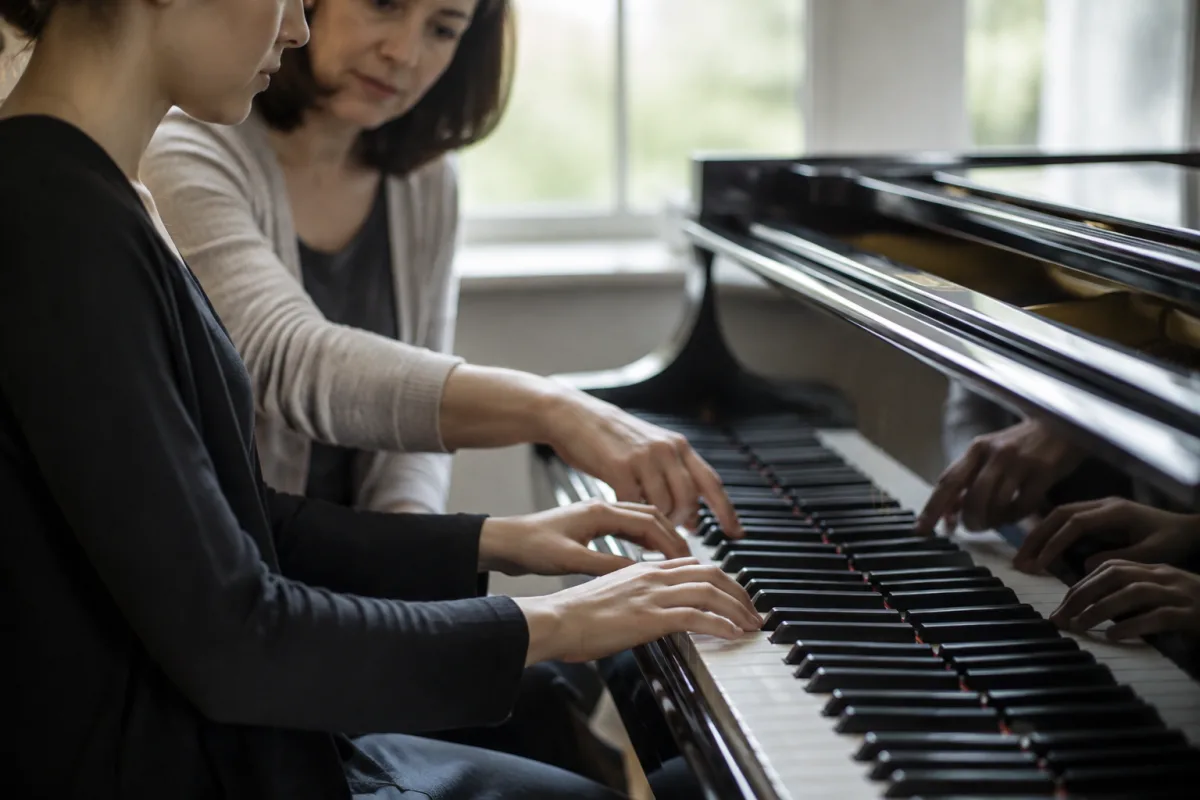
Choosing between an organ and a piano is one of the most significant decisions a keyboard player makes, yet many people conflate the two. They look similar, both have keys, but fundamentally they're different instruments with different sounds, learning curves, and costs. This buyer's guide walks you through the key differences, what specs matter, what to listen for when comparing models, and how to decide which instrument truly suits your playing style and budget.
Understanding the Core Difference
A piano uses hammers that strike strings; when you release a key, the hammer bounces back and the string fades. An organ generates sound electronically or through wind (in pipe organs) and sustains the tone as long as you hold the key. This fundamental difference creates radically different playing experiences and sonic possibilities.
For beginners, this matters because it changes how you approach voicing, phrasing, and sustain control. Piano rewards percussive touch and careful note management. Organs reward sustained chords and hand movements that modify ongoing tones.
Price: A Critical Dividing Line
Entry-level digital pianos start around £800–£1,500. Entry-level home organs (digital or small electronic) range from £600–£2,000. However, an acoustic upright piano costs £3,000–£8,000 minimum, whilst a pipe organ installation can cost tens of thousands. Used acoustic pianos offer savings but require professional inspection for condition and tuning stability.
This price disparity is crucial: if budget is tight, a digital keyboard lets you learn basics, but you'll eventually need the "real thing" if you want to pursue piano seriously. Organs have more budget-friendly entry points but fewer professional performance contexts outside church, jazz, and funk genres.
Touch and Feel: Key Weighted Action
An acoustic piano has weighted keys—each key requires force to press down, mimicking the hammer mechanism. This builds finger strength and proper technique. Learning on an unweighted keyboard harms your transition to acoustic piano later.
Most digital pianos include weighted keys that respond to touch velocity (how hard you hit). Organs typically have unweighted keys; the ease of playing is a feature, not a limitation. For learning classical piano, weighted keys are non-negotiable. For jazz, funk, or contemporary church music, many players prefer organs' lighter touch.
Sound and Voice Versatility
A piano has one fundamental voice: piano. Variations exist (grand vs. upright, different microphones on digital pianos) but the character is consistent. An organ offers hundreds of voices—drawbars, stops, registrations—giving you vast sonic palette in one instrument.
If you want to play Chopin, Beethoven, or contemporary classical music, you need piano. If you want to explore jazz, funk, soul, gospel, or experimental electronic music, an organ opens more doors.
Acoustic vs. Digital Pianos
Acoustic pianos produce superior tone through physical strings and soundboards. They never need batteries, offer authentic touch, and appreciate in value if well-maintained. They're also expensive, demand space, require regular professional tuning (£150–£300/year), and don't work well in apartments (they're loud).
Digital pianos eliminate all these issues but lack the acoustic resonance some players feel deeply. Modern digital pianos sound remarkably authentic, especially higher-end models. For learning and practice, they're sensible. For serious performance and study, many teachers recommend working toward acoustic piano eventually.
Digital Organs vs. Pipe Organs
Modern digital organs faithfully reproduce classic pipe organ sounds. They're affordable, require no maintenance, and sit in your home without structural changes. Pipe organs are the "real" thing—unique tonal character, no two are identical—but cost prohibitively and require dedicated installation in churches or large homes.
For almost all players, digital organs are the practical choice. For jazz and funk, they work brilliantly. For classical organ repertoire, you may want access to pipe organs at churches or concert halls for serious study.
What to Assess When Shopping
- Touch and key response. Play for 15 minutes. Does the action feel natural? Do keys respond predictably to your playing style?
- Sound quality and sampling. Listen through headphones and speakers. Do higher notes sound natural or synthesised? Is the bass rich or thin?
- Maintenance requirements. Digital instruments need little; acoustic pianos need regular tuning and technician visits.
- Output options. Can you connect to amplifiers, recording interfaces, or headphones easily?
- Warranty and support. New instruments should come with 2+ years coverage. Used pianos should have inspection certificates.
For What Genre Are You Shopping?
Piano is essential for classical, contemporary, singer-songwriter, and much jazz. Organ dominates gospel, R&B, funk, and certain jazz contexts. If you're unsure of your direction, piano offers more versatility and academic credibility. If you're drawn to groovy, rhythmic music, organ might be more inspiring.
For comprehensive comparisons and specific models, see the complete guide to organs vs. pianos, which covers acoustic and digital options in detail.
Conclusion
The choice between organ and piano depends on your budget, musical goals, space, and sonic preferences. Piano is the traditional, academically rigorous choice; organs offer more immediate gratification and different expressive possibilities. Understand these fundamentals, play both extensively, and you'll make the choice that serves your music.


Comments