


Folding Headphones article
Folding Headphones for Beginners: A Complete Guide
Folding headphones are practical and affordable for first-time buyers. This guide covers everything you need to know to pick a comfortable pair and start enjoying music.
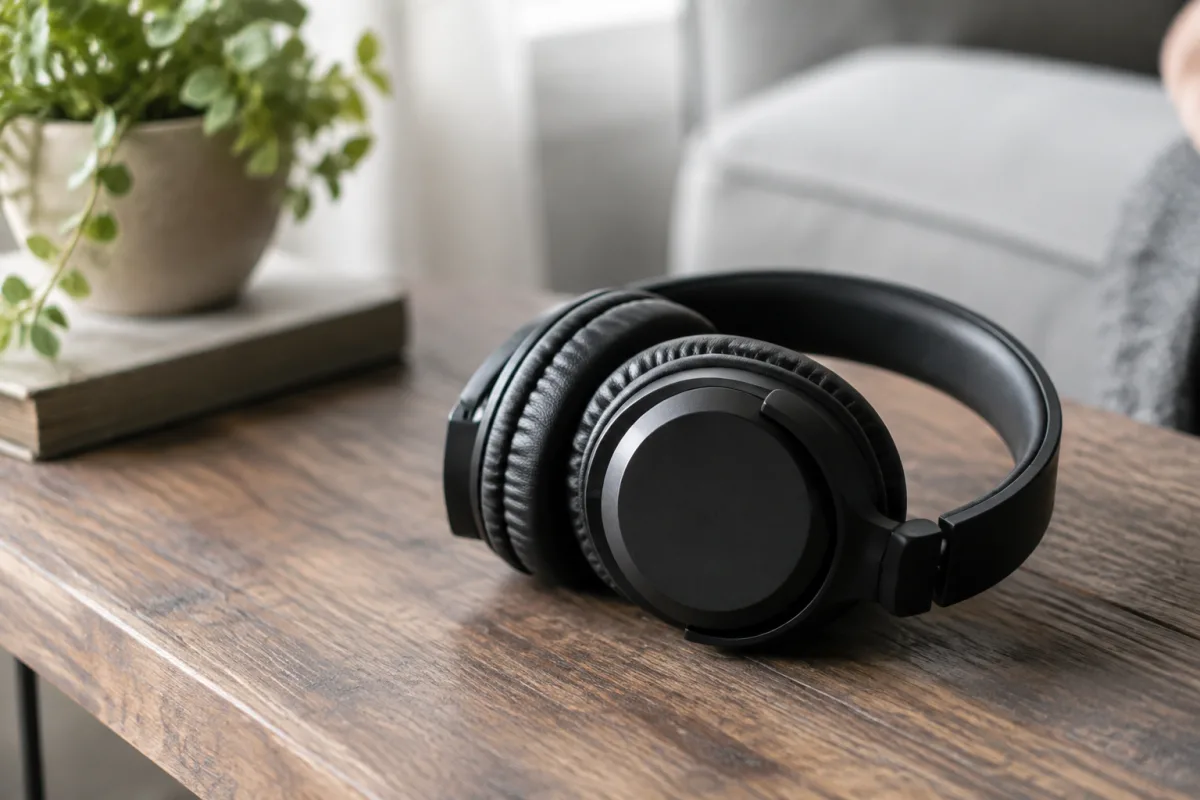
Folding Headphones for Beginners: A Complete Guide
If you're buying headphones for the first time and the selection is overwhelming, folding headphones are genuinely a great place to start. They're practical, affordable and come in styles that work for almost everyone. This guide is for someone completely new to choosing headphones who wants to avoid the most common beginner mistakes and find something that actually works for their life.
Why Folding Headphones Make Sense for Beginners
They solve a real problem: they fold up to a compact size, so they fit in a bag, a rucksack or even a coat pocket without taking up much space. That practicality matters when you're learning what you actually need from headphones. You're not committing to a massive over-ear model that's awkward to carry. You can try a pair, figure out what matters to you, and make a better choice next time if you want to.
They're also genuinely affordable for beginners. You can get decent, well-made folding headphones for £30 to £80. That's enough to learn what works for your ears without overspending on something you might not keep using. If you decide this style isn't for you, you haven't invested a fortune.
These come in many styles—on-ear, over-ear, wired and wireless. There's something for everyone, and the foldable design works across the whole range. You're not limited to one type or compromise on features just because you want portability.
What Folding Headphones Actually Are
These are simply regular headphones with a hinged design that lets them collapse into a smaller shape. Most fold at the headband joint, bringing the ear cups closer together or flat. Some fold in other ways—the ear cups might rotate inward—but the goal is always the same: fitting into your bag more easily than a traditional rigid design.
The foldable hinge doesn't affect the sound quality compared to non-folding alternatives at the same price. It doesn't make them fragile. A decent manufacturer builds hinges that survive normal use—the same opening and closing you'd do dozens of times. Think of the hinge like a suitcase handle. It's made for the job.
The foldable design doesn't require anything special from you. Once you've unfolded them, you use these headphones exactly like any other pair. Plug them in (if wired) or pair them (if wireless), put them on, and listen. There's no learning curve beyond that.
First Step: Understand On-Ear vs Over-Ear
This matters more than beginners often realise. On-ear designs sit directly on your ears. They're smaller, lighter and pack down extremely compactly. The trade-off is that they can feel less comfortable during long listening sessions for some people, and sound isolation is not their strength.
Over-ear designs have larger ear cups that go around your ears, not on them. They're more comfortable for most people during extended wear, they isolate sound better and they generally give deeper bass. The trade-off is that they're bulkier when folded and heavier to wear for some folks.
As a beginner, think about your actual use case. If you're listening for ten or fifteen minutes during a commute or travel, on-ear is fine and genuinely convenient. If you're listening for an hour or more, over-ear will likely feel better. Both styles are available in folding versions, so pick based on comfort, not convenience.
Wired or Wireless? A Beginner's Choice
Wired options plug into a device with a 3.5mm jack. They're cheaper, they never run out of battery, and they work with every device that has a headphone socket. Many smartphones still support them, though fewer every year. Some people genuinely prefer wired because there's no pairing to fuss with, no battery to monitor.
Wireless (Bluetooth) are increasingly the default. You pair them once with your phone, and they connect automatically when you turn them on. Most Bluetooth models last 20 to 40 hours of listening between charges. Wireless means no cable to catch on things, and you can move around without the cord.
As a beginner, wireless is probably easier if your phone supports it. Wired is fine too, especially if you like simplicity and never having to charge anything. This is genuinely a personal preference, not a wrong choice either way.
Comfort: The Most Important Factor
Expensive headphones mean nothing if they hurt your ears after ten minutes. Comfort is the single most important factor for a beginner. Headphones that don't hurt will actually get used; headphones that cause ear fatigue will sit in a drawer.
When buying, check how the headband feels. Does it grip too tightly? Most beginner headphones can be adjusted by bending the headband slightly, but you shouldn't feel squeezed. Check the ear cup padding—it should feel soft and not thin. If the demo model feels uncomfortable in the shop, it will feel more uncomfortable at home after an hour of wear.
Pay attention to isolation if you're going to wear headphones in busy environments. Some folding headphones have passive isolation (the seal from the ear cup blocks external noise). Others don't. Neither is wrong; it depends on whether you want the outside world blocked out or prefer to hear traffic and announcements around you.
Sound Quality: What Beginners Actually Need
Here's the honest truth: most human ears can't distinguish between a £40 pair of folding headphones and a £200 pair, especially in a first listening session. Decent sound quality is available at budget prices from reputable brands. You don't need high-end to enjoy music.
For a beginner, what matters is that headphones sound clear (not muffled), have enough volume (should be adjustable), and don't distort when you turn the volume up. Beyond that, sound quality is subjective. Some people prefer more bass; others prefer clarity. Your ears will tell you which you like.
Read reviews from actual users, not just professional reviews. Professional reviewers analyse treble response and frequency response—valuable information, but beginners often care most about whether the headphones feel comfortable and whether they actually make music sound enjoyable.
Avoiding Common Beginner Mistakes
The biggest mistake is assuming more expensive always means better. It doesn't. A £60 pair from a reputable brand (Sennheiser, Audio-Technica, JBL, Beats) will sound better and last longer than a £30 no-name alternative. But you don't need to spend £200 to get something great.
Another mistake is not testing for comfort before you buy. They feel different in the shop than they do at home for an hour. If it's possible to try a pair on first, do it. If buying online, check the return policy. Comfort is subjective; you might need to try two or three before finding the right fit.
Don't assume the foldable hinges are weak. A quality manufacturer doesn't make hinges that break easily; they make them for normal use. Open and close them normally and they'll be fine for years. Forcing them or bending them unusually is when problems happen—the same as any joint on any device.
Beginners sometimes neglect cable care (on wired models). A cable that gets twisted, crushed, or sat on eventually develops connection problems. Loosely coil your cable, don't loop it tightly, and avoid stress on the connection near the jack. A little care makes any pair last years.
Your First Week: What to Do
When you get your new pair, spend the first few minutes just wearing them without listening to anything. Does the headband fit your head comfortably? Do the ear cups stay in place? Does the weight feel okay? That initial comfort check matters more than anything else.
Once they feel comfortable, put some music on—something you know well, a song you've heard hundreds of times. Does it sound clear? Does it have a nice tone? If it sounds muffled or harsh, you might need to adjust how they sit on your ears or check that all cables are properly connected.
Use your new pair for at least a few hours before deciding whether you like them. First impressions aren't always accurate. Sometimes they take time to feel "right" to your ears. Sometimes you realise you prefer a different style after actual use.
Caring for Your Pair
Store them folded in a bag or case when you're not using them. Most beginner models come with a small carrying case—use it. Keeping them safe from impact and dust extends their life.
Clean the ear cups occasionally with a dry cloth. If they get sweaty or dirty, a slightly damp (not wet) cloth is fine; just make sure no water gets into the driver or electronics. Never submerge them unless they're specifically waterproof.
Keep the cable (if wired) away from extreme heat and sharp objects. Avoid storing them in hot car interiors or direct sunlight for extended periods. These simple precautions make any pair last years instead of months.
The Next Step: When You're Ready
After a few weeks of using your pair, you'll know what you actually want from headphones. Maybe you'll realise you want more bass, or less isolation, or over-ear instead of on-ear. That's fine. Your first model taught you about your actual preferences. The next pair, if you buy one, will be a better match.
Or you might just find that your beginner pair works perfectly for your life and keep using them. That's also a completely valid outcome. Expensive doesn't equal better; best is what actually works for you.
Our complete guide to folding headphones covers technical details, advanced features, and options for every music style and use case once you're ready to explore further.
Conclusion
This style of headphone is a practical, affordable way to start learning what you actually want from audio gear. They work for travel, commuting and everyday listening. Pick a comfortable pair from a reputable brand, spend time understanding your preferences, and don't overthink the choice. In a few weeks you'll know whether you want to explore further or you've found exactly what you need. That knowledge is worth far more than whatever price you paid for your first pair.


Comments