


Folding Headphones Buying guide
Folding Headphones: A Complete Buyer's Guide
Folding headphones promise portability and pristine sound, but that promise only holds if you choose wisely. Before you buy, understand which design choices matter and where manufacturers cut corners.
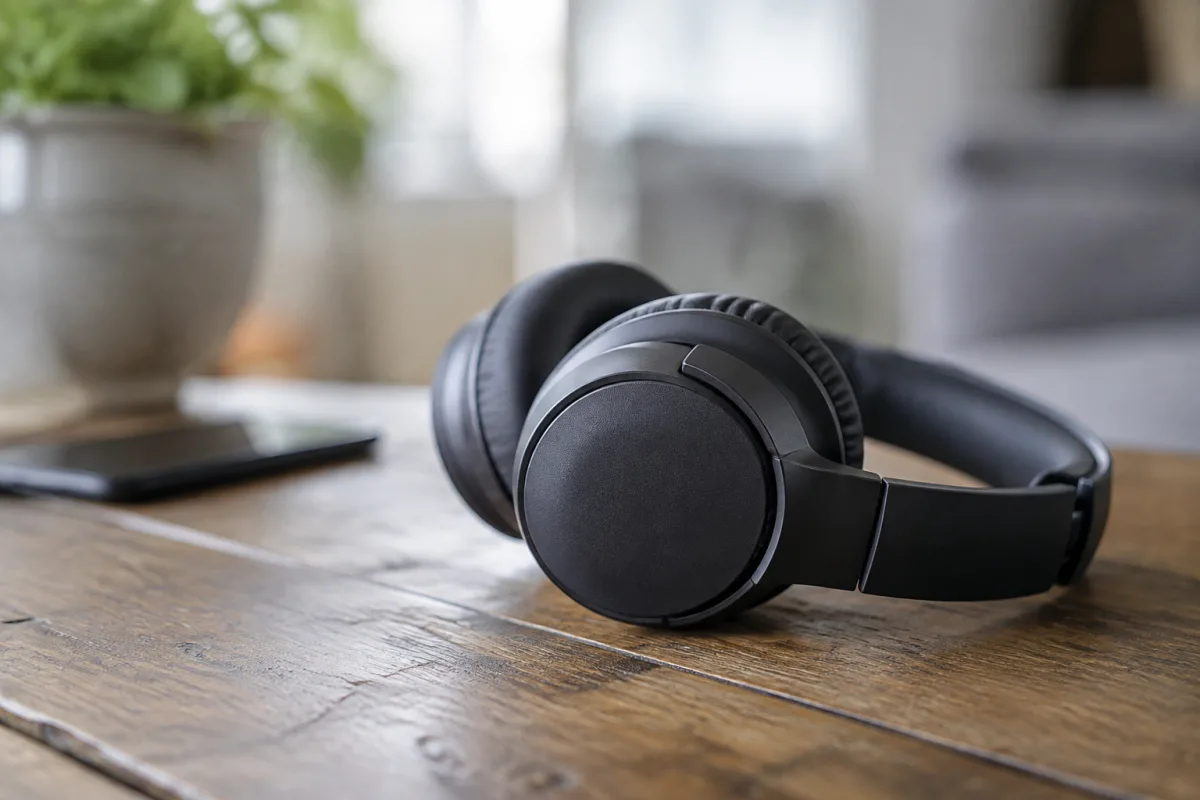
Folding headphones promise the best of both worlds—pristine sound quality at home and genuine portability for travel and commuting. But that promise only holds if you choose wisely. Before you buy, understand which design choices actually matter, which specs deliver genuine benefits, and where manufacturers cut corners to hit a price point.
Why Folding Design Actually Matters (And When It Doesn't)
Folding headphones compact for travel without sacrificing the structural stability that over-ear designs offer. But folding is a compromise, not magic. The hinge mechanism is a potential failure point, and poor folding designs sacrifice comfort or acoustic performance to achieve compactness.
Ask yourself: Do you genuinely travel with headphones regularly? Will they live in a bag or backpack most of the time? If the answer is yes, folding design is invaluable. If your headphones stay at home 95% of the time, the engineering complexity that enables folding wastes money. Don't pay for portability you won't use.
When folding matters, focus on hinge quality. Test the mechanism in-store. Does it feel robust or flimsy? Does the hinge position affect fit or sound? Quality hinges are smooth and precise. Cheap ones feel loose and make creaking noises.
Driver Size and Speaker Quality
Driver size significantly affects sound character. Larger drivers (40-50mm) offer warmer, bass-heavier sound. Smaller drivers (20-30mm) typically sound thinner and more analytical. Portable headphones often use smaller drivers to save space, but this isn't inevitable.
Check the driver specifications. Quality matters more than size. A well-engineered 35mm driver outperforms a poorly designed 50mm driver. Look for materials too—neodymium magnets typically outperform ferrite, offering better efficiency and control.
Frequency response charts reveal tuning philosophy. Headphones designed for bass-heavy music show an upward curve at low frequencies. Studio-oriented models aim for flat response. Match the tuning to your primary use. There's no "correct" sound, only what suits your ears and music.
Impedance and Cable Considerations
Impedance is measured in ohms. Most portable headphones sit between 16 and 32 ohms. Higher impedance (64-250 ohms) requires more amplification—better suited to audio interfaces or mixing consoles than mobile devices. Lower impedance works brilliantly with smartphones and portable players.
Cable quality matters more than many buyers realise. Cheap cables sound muffled and prone to intermittent connections. Professional-grade cables transmit signal cleanly. Check whether cables are removable; replaceable cables extend headphone lifespan significantly.
For Bluetooth-capable folding headphones, assess codec support. aptX and LDAC deliver superior wireless sound compared to standard SBC codecs. Not all phones support these advanced codecs, but if yours does, the improvement justifies the cost.
Comfort and Fit: The Deal-Breaker
Uncomfortable headphones are worthless, regardless of how they measure technically. Fit varies wildly across head shapes and sizes. Before committing to a purchase, wear them for at least 15 minutes. Better yet, borrow a friend's pair for a full session.
Check the headband padding and adjustment range. Does the fit feel secure without pinching? Can you adjust it for your head? Do the ear cups seal properly without creating an uncomfortable vice-like grip? Folding headphones should feel secure enough for active use but comfortable enough for hours of listening.
Isolation matters too. Closed-back designs seal around your ears, blocking external sound. Open-back designs breathe better but offer minimal isolation. Choose based on your use case: commuting benefits from isolation; working at a desk benefits from open-back breathability.
Build Quality and Durability
Portable headphones take abuse. Investigate the build materials seriously. Plastic-bodied headphones are lighter but often feel cheap and break easily. Metal components (aluminium, stainless steel) add weight but dramatically improve durability and feel.
Check the cable durability. Low-quality cables fray and fail within months. High-quality cables outlast the headphones themselves. Removable cables are a huge advantage here—you replace just the cable instead of discarding the entire headphone.
Review durability specs and warranty. Some manufacturers warranty cables and drivers for multiple years, signalling confidence in build quality. Others offer minimal coverage, suggesting they expect failure.
Wireless vs. Wired: Making the Right Choice
Wireless folding headphones offer convenience; wired models offer simplicity and reliability. Wireless requires battery maintenance and pairing hassles. Wired requires cable management but never dies unexpectedly.
If you choose wireless, check battery life. Professional-grade portable headphones offer 20+ hours of playback. Budget models promise 8-10 hours but often deliver less in real-world use. Longer battery life means fewer charging sessions and less anxiety about dead batteries mid-commute.
Assess fast-charging capability. Some models fully charge in 30 minutes; others require hours. For travel, fast charging is invaluable. For a headphone that stays charged at your desk, it matters less.
Price Tiers and What to Expect
Folding headphones span a massive price range, and each tier has clear strengths:
- Budget (£/€50-120): Basic portability, acceptable sound, fragile build. Suitable for casual listeners and travel on a tight budget. Expect durability issues within 1-2 years.
- Mid-range (£/€120-300): Better drivers, improved build quality, real comfort. Professional and serious hobbyists land here. Good durability expectations.
- Premium (£/€300-600): Flagship sound quality, premium materials, excellent durability. For audiophiles and professionals who demand the best.
- Ultra-premium (£/€600+): Cutting-edge technology, bespoke tuning, luxury construction. Diminishing returns; for collectors and obsessives only.
The mid-range tier offers the best value. Moving from budget to mid-range brings meaningful improvements. Premium tiers offer excellent sound but diminishing improvements in portability or comfort.
Common Buying Mistakes
These errors waste money or cause buyer's remorse:
- Buying based on specs alone: Frequency response and impedance matter, but comfort and build quality matter more. You'll use comfortable headphones daily; uncomfortable ones gather dust.
- Ignoring cable quality: Premium headphones with cheap cables sound disappointing. Budget the same for cables as the headphones themselves.
- Assuming wireless is automatically better: Wireless adds complexity and battery anxiety. Wired simplicity is underrated.
- Overlooking return policies: Fit issues only emerge after extended use. Buy from retailers with generous return windows.
- Trusting marketing over measurement: "Studio-quality" and "professional-grade" are marketing terms. Objective measurements and user reviews reveal truth.
Before You Buy: Your Checklist
Test the folding mechanism. Does it feel robust? Check the fit personally—don't rely on sizing charts. Assess cable quality. Listen to familiar music through the headphones at normal volume. Ask about warranty and return policy. Read both professional reviews and user feedback. Wait at least 24 hours before deciding. This deliberation prevents regret.
Making Your Decision
Choosing folding headphones means balancing portability, sound quality, comfort, and durability against your budget. Start with comfort and build quality as non-negotiable. Then find the best sound quality your budget allows. For comprehensive context on headphone types and technology, explore our complete guide to folding headphones.


Comments