


Moog Digital Piano article
Moog Digital Piano for Beginners: A Complete Guide
Moog digital pianos are more accessible to beginners than you might think. This guide walks you through setup, preset exploration, touch sensitivity, and building confidence with your new instrument.
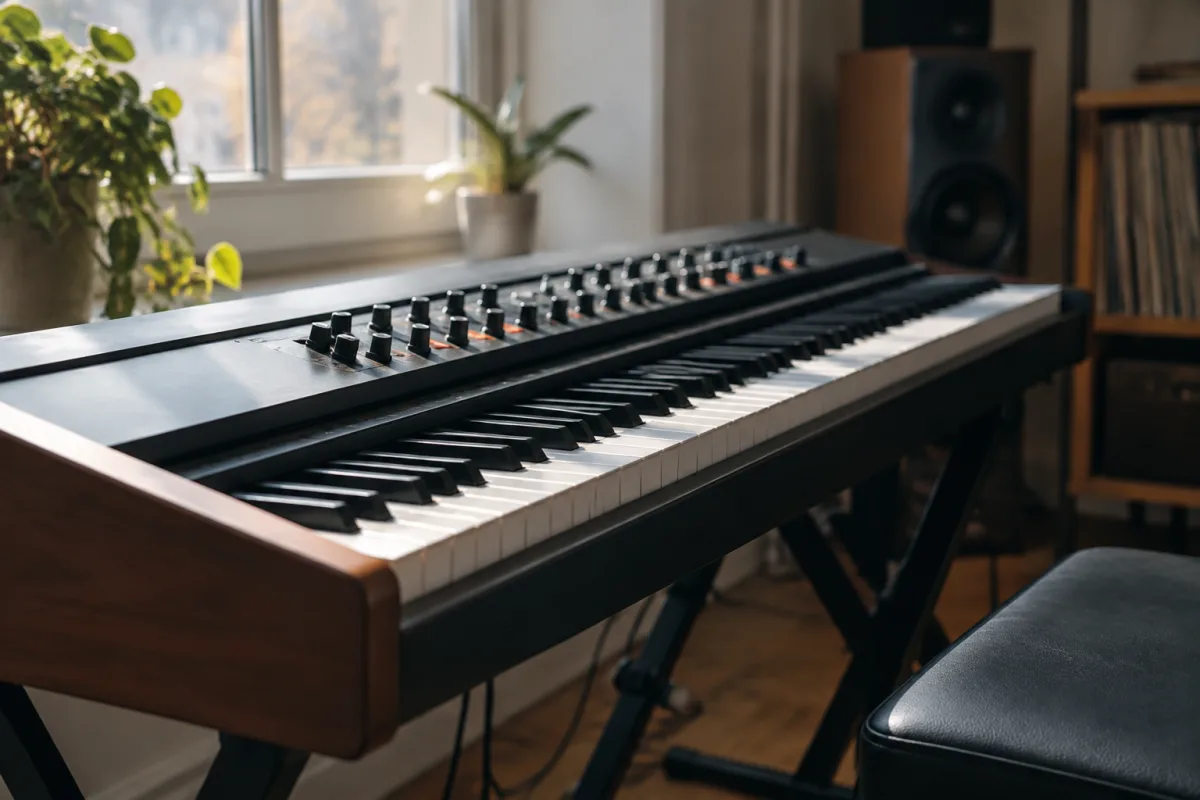
If you've heard about Moog digital pianos and felt intrigued but overwhelmed, you're not alone. Moog instruments carry mystique partly because they're known for deep sound design capabilities and electronic exploration. But here's the encouraging truth: Moog digital pianos are genuinely accessible to beginners, offering intuitive interfaces and rewarding learning curves. Whether you're interested in electronic sounds, vintage aesthetics, or simply exploring beyond traditional acoustic piano, this guide walks you through your first experiences confidently.
Understanding Moog's Heritage: What Makes Them Special
Moog is an iconic brand in electronic music, famous for synthesizers that have shaped music since the 1960s. When you engage with a Moog digital piano, you're accessing decades of synthesizer expertise translated into keyboard instruments. This means Moog pianos emphasise sound character, expressivity, and the ability to shape tone through your playing rather than simply reproducing acoustic piano tone. For beginners, this translates to instruments that respond to how hard you strike keys (velocity sensitivity), how long you hold sustain pedals, and subtle finger movements. Unlike mass-market digital pianos focused on perfect acoustic reproduction, Moog pianos encourage exploration and personal tone creation. This different philosophy might feel unfamiliar initially, but it's genuinely liberating once you embrace it.
The Basic Setup: Simpler Than You'd Expect
Unpack your Moog digital piano and you'll find the keyboard itself, a stand or frame (if applicable), and power cables. Setup involves: securing the keyboard to its stand if separate, connecting the power supply, and optionally connecting a sustain pedal (if included) or audio output cables. That's genuinely all the physical setup required. Unlike some electronic instruments requiring complex MIDI routing or software installation, Moog digital pianos work immediately after power-up. Switch it on and you'll hear a default sound—usually a warm electric piano or vintage synth tone. Play a note and the instrument responds instantly. You're ready to explore without any configuration delays or software hassles.
Navigating the Controls: Less Complicated Than It Looks
Most Moog digital pianos feature knobs and buttons that might look intimidating, but they're actually quite logical. Typically you'll see: knobs for sound selection, filter controls, and amplitude envelope; buttons for mode selection or preset loading; a display screen (if digital) showing current sounds or settings. The key beginner insight is this: you don't need to understand what every control does immediately. Moog pianos work beautifully with minimal tweaking. Select a preset sound you like (usually accessible through simple button presses), adjust volume if needed, and play. Spend your first week simply exploring the included preset sounds without touching anything else. Each preset represents hours of expert sound design, so there's genuinely great tone available without any adjustments.
Your First Practice Session: Playing the Presets
Begin by selecting different preset sounds and playing scales or melodies you already know. Notice how each preset has distinct character. Some sound like traditional pianos (though Moog won't pretend to perfectly replicate acoustic pianos—that's not the goal). Others sound like vintage electric pianos, synthesizers, or instruments you've never heard. Play the same melody through five different presets and notice subtle differences in how the sound responds to your dynamics and touch. This exploration teaches you how this keyboard interprets your playing. After 30 minutes of preset exploration, you'll feel confident navigating the instrument and likely have identified two or three presets you especially enjoy. Now spend the rest of your first week playing primarily through those sounds, letting your hands get comfortable.
Velocity Sensitivity and Touch Expression
One thing that distinguishes Moog digital pianos is exceptional velocity sensitivity—the instrument responds to how hard or soft you strike keys. A soft touch produces quiet, tender tone; a hard strike produces louder, more aggressive sound. This is identical to acoustic pianos and many modern synthesizers, but it's worth understanding consciously. For beginners accustomed to cheaper electronic keyboards with minimal velocity response, this expressivity can be surprising. Play the same note five times, striking keys with different force, and listen carefully to how tone changes. This responsiveness is beautiful because it means your musical intention translates directly through the instrument. Light playing becomes intimate; hard strikes become explosive. Embrace this as a feature, not something to fear. It makes playing emotionally expressive.
The Sustain Pedal: Your New Best Friend
Moog digital pianos typically include or support a sustain pedal (the right pedal on traditional pianos). This pedal lets notes continue sounding after you release keys—exactly like acoustic pianos. If your Moog came with a sustain pedal, connect it and spend a full session simply experimenting with how it transforms your playing. Play a note and release the key whilst holding the sustain pedal; the note continues. Release the pedal and the note stops. Now play melodies using the sustain pedal to smooth phrases together. This is fundamental piano technique, and Moog's pedal implementation is typically excellent. If your Moog didn't include a sustain pedal, purchasing a third-party model (£15-40) adds essential expressivity. Beginner pianists often feel that sustain pedal transforms their playing from mechanical to musical.
Exploring Filter and Envelope Controls: Optional Adventures
After a week of preset exploration, you might feel curious about the knobs controlling filters and envelopes. These allow basic sound design—shortening how long notes sustain, brightening or darkening tone, adding synthetic characteristics. Here's a beginner-friendly approach: on a quiet evening, select one preset you like and very slowly turn one filter or envelope knob whilst playing the same note repeatedly. Hear how the sound changes subtly? That's the control working. Turn it back to its original position and move on. Spend no more than five minutes exploring a single control per session. This patient approach prevents overwhelming yourself while satisfying curiosity. Most important insight: every adjustment is reversible. You cannot break anything by exploring controls.
Common Beginner Concerns: Setting Realistic Expectations
Many beginners worry Moog digital pianos don't sound like "real" pianos. Moog doesn't aim for absolute acoustic reproduction; instead, they offer unique character that experienced players find compelling. If you're committed to learning traditional piano, a Moog works differently than acoustic pianos in tone but identically in technique. The skills transfer completely. Some beginners worry the controls are too complex. They're not. Moog preset sounds are genuinely excellent, and you can be musical playing only presets, adjusting nothing. Another concern: "Will I break something by exploring?" No. All controls are safe to experiment with and easily reversible. Finally, beginners sometimes feel intimidated by Moog's reputation for "serious musicians." This is wrong thinking. Moog instruments are equally welcoming to curious beginners and session professionals. Your skill level doesn't matter; your curiosity does.
Connecting to External Audio Systems
Moog digital pianos often include audio output jacks (typically stereo quarter-inch or RCA connections) allowing you to connect to speakers, amplifiers, or recording equipment. For bedroom play, the keyboard's built-in speakers are sufficient. However, if you want fuller sound or plan to record, connecting external speakers (£50 upward) or an audio interface (£100+) transforms the experience. This is optional for beginners, but it's worth knowing the capability exists. Many beginners discover they enjoy Moog sounds so much they eventually invest in better audio reproduction.
Recording Your Playing: Capturing Your Musical Ideas
Many Moog digital pianos include MIDI output or USB connectivity allowing you to connect to computers for recording. This isn't essential as a beginner, but it's worth understanding as an eventual capability. You can record your playing into DAW (digital audio workstation) software, layer multiple takes, or export audio files. For now, simply enjoy playing and exploring sounds. Recording becomes interesting once you're comfortable with the instrument's basic functionality.
Maintenance and Long-Term Care
Moog digital pianos require minimal maintenance. Keep them away from extreme temperature changes, moisture, and dust. Wipe the keyboard occasionally with a dry cloth. Avoid eating or drinking near the instrument (obvious but important). If the keyboard action feels sticky or unresponsive after months of use, gentle cleaning of the key mechanism or professional servicing might be required, but this is infrequent. Most Moog instruments are built to withstand regular use for years with minimal care beyond normal cleanliness.
Growing Your Skills: Natural Progressions
After your first month of Moog exploration, you'll naturally know whether the instrument resonates with you. Some beginners fall in love with electronic sound design and gradually explore the deeper control possibilities. Others enjoy playing the presets and discover they never need to touch anything beyond volume and preset selection. Both paths are valid. Your Moog will support your playing whether you remain in preset territory or dive deeper into sound shaping. Many professional musicians started exactly where you are—curious, slightly nervous, but willing to explore.
Moog digital pianos reward curiosity and patience. Your first experiences needn't involve complex sound design—simply explore the included presets, learn to play expressively with velocity and sustain pedals, and enjoy making music. For deeper exploration of Moog digital piano capabilities, specific models, and advanced techniques, consult our ultimate guide to Moog digital pianos. Most importantly, remember that your instrument exists to serve your musical expression. Play regularly, experiment boldly, and trust your instincts about what sounds good to you.



Comments