


Moog Digital Piano Buying guide
Moog Digital Piano: A Complete Buyer's Guide
Moog digital pianos are hybrid instruments combining acoustic piano keys with synthesizer character. This buying guide evaluates whether their premium pricing is justified, common misconceptions, and how to decide if Moog suits your musical needs.
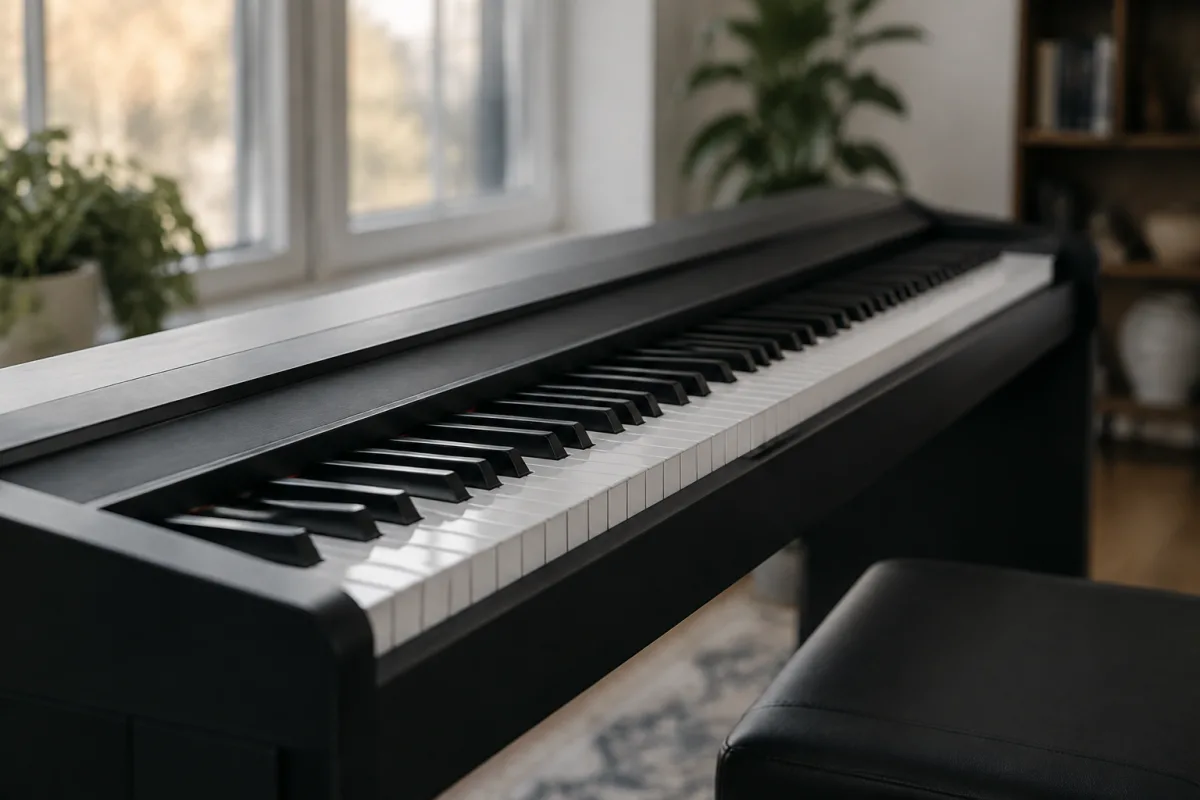
Moog digital pianos position themselves as hybrid instruments—they're pianos but with Moog's signature synthesizer character integrated into the design. Shopping for a Moog digital piano means understanding what makes them different from traditional digital pianos, evaluating whether their synth-forward philosophy suits your musical needs, and determining if the premium pricing is justified by actual features and sound character you'll use.
Moog's Approach: Pianos with Synthesizer DNA
Moog digital pianos aren't attempts to perfectly recreate acoustic piano tone. Instead, they're designed for musicians who want piano keys with synthesizer depth and character. The sound engines include acoustic piano models, but the brand's strength is in synth and electronic piano characters. If you're drawn to vintage electric piano tones, synth bass possibilities and electronic music production, Moog digital pianos appeal. If you're seeking authentic acoustic piano character, traditional brands (Yamaha, Korg, Nord) are better choices.
Price Point and Market Positioning
Moog digital pianos start around £1,500–£2,000 and exceed £3,000 for professional models. This positions them as premium instruments compared to entry-level digital pianos. You're paying significantly for the Moog brand heritage and synthesizer integration. Before committing, honestly assess whether you'll actually use the synth features or if a traditional digital piano at half the cost better matches your needs.
Sound Engine Capabilities
Moog digital pianos include acoustic piano samples but emphasise electric pianos, organs and synthesizer tones. Multiple piano models exist (grand, upright, stage), but they're not the selling point—the synth capability is. If you're shopping specifically for traditional acoustic piano sound, Moog typically underperforms compared to specialists. If you want keyboard versatility combining piano with electronic textures, Moog excels. Understand your sonic priorities before deciding which brand suits you.
Keyboard Features and Build Quality
Moog digital pianos feature weighted keys simulating acoustic piano resistance—essential for proper technique development. Build quality is robust with premium materials. However, you're paying premium prices partly for brand and synth features, not exclusively for keyboard quality. Other brands offer equally excellent keyboards at lower cost. The question: what proportion of your investment are you allocating to keyboard versus features?
Software and Integration
Moog digital pianos connect to computers via MIDI and USB, allowing DAW integration and software synthesis. This appeals to producers and electronic musicians. If you're purely a pianist with no production interests, these features add cost you won't utilise. Honestly evaluate your production ambitions. Professional producers get value from this integration; casual pianists don't.
Sequencer and Built-In Features
Some Moog models include built-in sequencers and arpeggiators—features from synthesizer heritage. These are genuinely useful for producers exploring electronic music. For traditional pianists focused on acoustic performance, they're extraneous features you're paying for unnecessarily.
Common Buyer Mistakes
First, don't buy a Moog digital piano for acoustic piano authenticity. Other brands do that better. Buy Moog if synthesizer integration and electronic character appeal to you sonically. Second, don't assume expensive equipment guarantees better playing. A well-maintained £800 traditional digital piano teaches proper technique as effectively as a £2,500 Moog. Third, don't overlook that Moog's premium pricing partly reflects brand prestige rather than pure functionality. You're paying for the name and heritage, which some players value and others find unnecessary. Fourth, don't buy without auditioning and confirming the sound character appeals to you. Moog digital pianos have distinctive voices; what sounds exciting in demos might not suit your musical taste.
Comparison to Alternatives
Traditional digital piano brands (Yamaha, Korg) offer authentic acoustic tone at lower cost. Nord keyboards emphasise synth integration with weighted keys. Arturia balances acoustic quality and affordability. Choose based on primary musical direction. If you're primarily an acoustic pianist exploring occasional synth sounds, Yamaha or Korg is sensible. If you're an electronic musician who wants weighted piano keys, Moog or Nord appeals. If you want balanced excellence across both worlds, expect to pay premium prices or compromise in one direction.
Resale Considerations
Moog instruments hold value well due to brand reputation. A used Moog digital piano resells at 70–75% of original price. However, the market is smaller than for Yamaha or Korg, so finding buyers might take longer. Factor this into long-term planning—Moog is relatively safe financially but less liquid than established piano brands.



Comments