


Keyboard Sustain Pedals article
The Complete Guide to Keyboard Sustain Pedals
A keyboard sustain pedal extends note resonance and blends harmonies. This guide covers sustain pedal function, musical applications and how to select quality pedals.
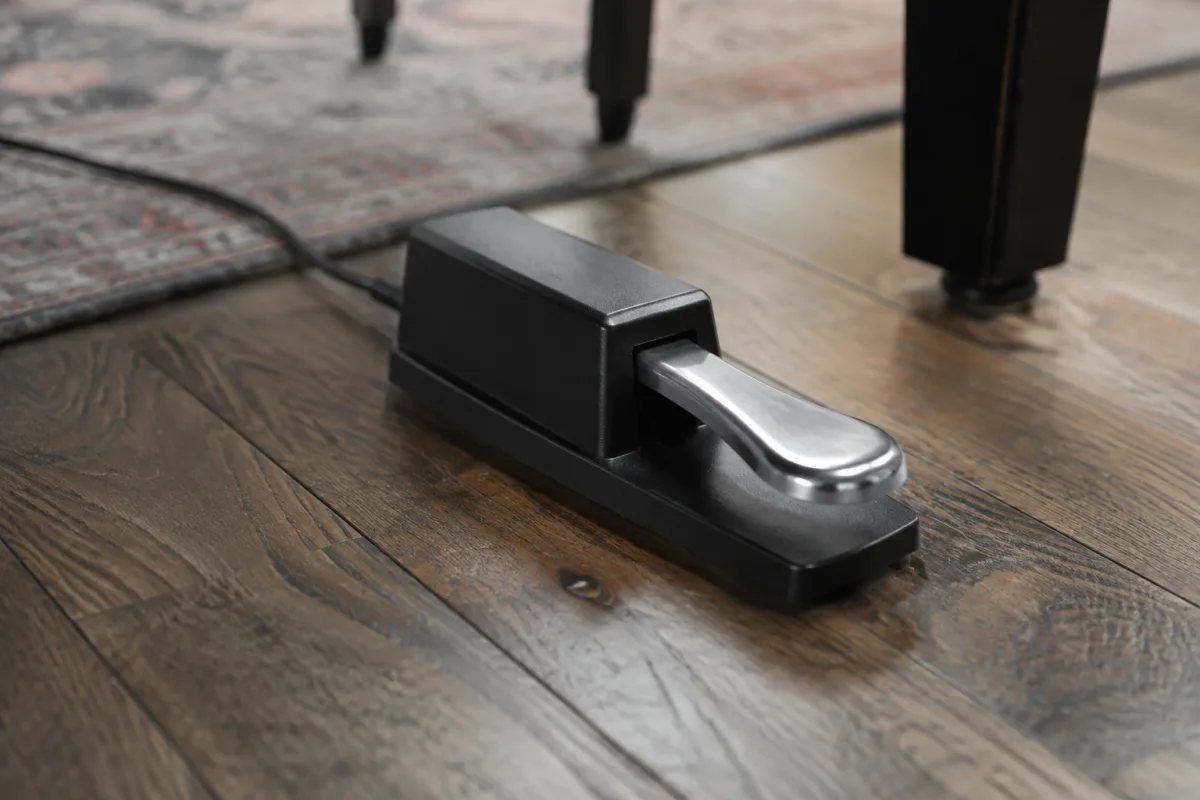
Keyboard sustain pedals are among the most underutilised and misunderstood accessories in music, yet they profoundly impact tone, musicality and playing expressiveness. A quality sustain pedal transforms how keyboard notes behave, allowing longer resonance and blended harmonies impossible without pedal control. Whether you're playing classical, jazz, pop or modern music on keyboards or synthesisers, mastering the sustain pedal unlocks vast creative possibilities. This guide explains how keyboard sustain pedals work, their sonic impact and how to choose and use them effectively for your playing style.
How Sustain Pedals Work
A sustain pedal on keyboards functions differently than on acoustic pianos. On a real piano, the sustain pedal physically lifts dampers, allowing strings to resonate freely. On keyboards, sustain typically extends the amplitude envelope—notes continue sounding after key release, gradually fading rather than stopping instantly. This creates the illusion of a held string resonance.
Most keyboards employ on/off sustain via a footswitch, though some sophisticated instruments allow variable sustain control—pressing the pedal partway extends sustain proportionally. This gives performers dynamic control matching acoustic piano behaviour.
Sustain Pedal Impact on Tone
Using sustain pedal creates blended, flowing passages impossible without it. Single notes connect smoothly into melodies; harmonic progressions achieve richer, more complex textures through note overlap. In classical repertoire, sustain pedal usage is essential—composers from Chopin to contemporary classical writers assume sustain pedal availability and write passages that make musical sense only with pedal.
The sonic difference is immediate—compare identical passages played with and without sustain. With sustain, the sound blooms and harmonies interweave; without it, each note is isolated and disconnected.
Sustain Pedal Types and Quality
Sustain pedals range from simple on/off switches to sophisticated continuous-pressure pedals mimicking piano pedal behaviour. Budget keyboards often include basic plastic sustain pedals; these work but lack responsiveness and durability. Quality third-party sustain pedals offer superior construction, smoother response and longer lifespan.
Some performers use volume pedals or expression pedals configured as sustain controls, allowing gradual sustain modulation for nuanced control. Advanced synthesisers often include multiple assignable footswitches, allowing sustain alongside other parameters.
Choosing a Sustain Pedal
If your keyboard didn't ship with a quality sustain pedal, third-party options from manufacturers like Boss, Yamaha and Casio are worthwhile investments. Look for pedals with firm, reliable switches that respond consistently. Durability matters—cheap pedals fail after months of use.
Consider your keyboard's pedal connector—some use ¼" jacks (standard), others proprietary connectors. Verify compatibility before purchasing. Most contemporary keyboards accept standard sustain pedals.
Technique and Musical Application
Learning proper sustain pedal technique is essential. It's not a "always on" switch—sophisticated musicians engage sustain selectively, matching the harmonic context. Sustain works beautifully for slower passages and soft playing; it creates muddiness in fast, complex passages.
Classical keyboard works often indicate sustain with "Ped" notation showing exactly when to engage and release the pedal. Jazz and contemporary music afford greater freedom—use sustain where it serves the music and release it where clarity is preferable.
Sustain Pedal and Different Keyboard Types
Acoustic pianos have always featured sustain pedal; digital pianos and synthesisers adopted sustain functionality to emulate acoustic behaviour. Organs typically don't use sustain pedals—the Leslie speaker and naturally sustained tone create different sonic needs. Stage keyboards and synthesisers often incorporate configurable footswitches including sustain.
Learning to Use Sustain Effectively
Practice engaging and disengaging sustain consciously, noticing the sonic change. Play pieces with explicit sustain notation, learning when composers expect pedal engagement. Experiment with selective sustain—using it only in specific passages for harmonic blending. Notice how sustain affects fast passages—often creating unwanted muddiness, revealing when to disengage.
Listening to professional keyboard players reveals sophisticated sustain pedal technique—not constant use, but carefully timed engagement enhancing musicality.
Conclusion
A quality keyboard sustain pedal is an often-overlooked tool transforming how you play and sound. Invest in a responsive, durable pedal, learn proper technique through dedicated practice, and employ sustain musically to enhance passages. The sustain pedal is as essential to keyboard playing as pedal technique is to piano—mastering it elevates your musicality and opens new creative possibilities.


Comments