


Keyboard Piano Cover article
Keyboard Piano Cover for Beginners: A Complete Guide
Keyboard piano covers prevent dust damage and accidents. This beginner's guide covers cover types, proper fitting, materials, and the importance of consistent keyboard maintenance.
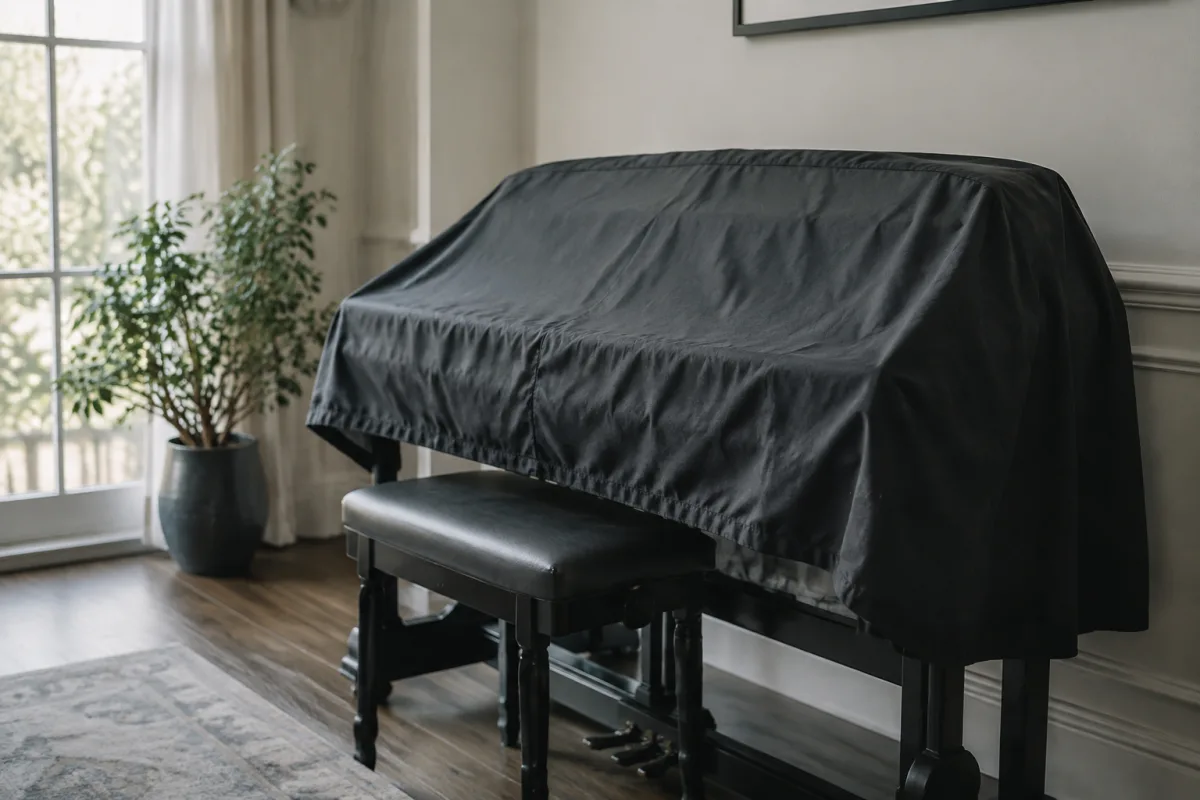
Your keyboard piano is a significant investment, and protecting it from dust, accidental damage, and environmental changes needn't be complicated or expensive. A keyboard piano cover serves the fundamental purpose of keeping your instrument clean and safe between practice sessions, yet many nervous beginners worry they're purchasing the wrong protective solution or paying more than necessary. This beginner's guide demystifies keyboard piano cover selection, covering types, materials, sizing considerations, and the practical benefits of proper keyboard protection. You'll discover that choosing an appropriate cover actually reduces long-term costs by preventing damage that compromises instrument performance.
Understanding Why Keyboard Protection Matters
Dust accumulates inside keyboards surprisingly rapidly, settling on keys, mechanisms, and electronic components. Regular keyboard piano cover use prevents this accumulation, maintaining your instrument's cleanliness and functionality. Accidental spills—coffee, water, pet mishaps—can damage keyboards catastrophically and expensively. A cover prevents casual damage that might otherwise occur during non-playing periods. Environmental factors like humidity fluctuations, temperature extremes, and sunlight exposure gradually degrade keyboards; covers provide modest protection against these factors. For beginners understandably concerned about maintaining their instrument, a basic keyboard piano cover represents inexpensive insurance against preventable damage. The modest investment in a quality cover often prevents costly repairs or early replacement.
Types of Keyboard Piano Covers Available
Keyboard covers fall into several categories serving different purposes. Basic fabric covers are lightweight, affordable (£15–£40), and perfectly adequate for tabletop keyboards stored indoors. They're easy to use, requiring only draping over your keyboard after practice. Dust covers with elastic edges fit specific keyboard models, staying secure even if accidentally bumped. Heavy-duty canvas or padded covers (£40–£100+) protect against physical impacts and environmental exposure, beneficial if your keyboard sits in high-traffic areas or isn't always stored safely. Travel cases for portable keyboards transform protection into portability, crucial for musicians moving instruments between locations. Understanding these categories helps you match protection level to your actual needs—a bedroom keyboard rarely needs the heavy protection that touring or commercial settings demand.
Measuring Your Keyboard for Proper Fit
A cover that doesn't fit properly provides inadequate protection and frustrates daily use. Before purchasing, carefully measure your keyboard's length, width, and height. Many beginner mistakes stem from purchasing covers sized for different keyboard models or key counts. An 88-key piano keyboard (full-sized) requires different covers than 61-key, 49-key, or smaller portable keyboards. Covers that are too large slip off, whilst covers that are too small don't fully protect your instrument. Verify your specific keyboard model's dimensions before purchasing; most manufacturers publish these specifications. When ordering online, check return policies in case sizing proves problematic—some retailers accept returns on sizing errors, preventing costly mistakes.
Material Considerations and Durability
Cover materials directly affect protection level and lifespan. Nylon and polyester are affordable, lightweight, and weather-resistant—excellent for basic dust protection. Canvas provides sturdier protection and longer lifespan, though at higher cost. Padded covers (neoprene, foam-backed materials) absorb impacts, protecting against drops or accidental collisions. Waterproof materials prevent liquid damage if spills occur near your keyboard. Consider your actual storage conditions; keyboards stored indoors with minimal environmental exposure need less robust materials than keyboards in studios, rehearsal spaces, or outdoors. Matching material quality to your actual protection needs prevents overspending whilst ensuring adequate safeguarding.
Ventilation and Storage Considerations
Ironically, overly sealed covers can trap moisture, damaging keyboards through humidity-induced corrosion or fungal growth. Quality keyboard piano covers feature ventilation panels or breathable materials that prevent moisture accumulation whilst keeping dust out. When storing your keyboard with a cover, ensure the storage space itself is reasonably dry and climate-controlled. Covers protect against dust and casual damage but shouldn't replace proper storage environment consideration. Ideally, store your keyboard in moderate temperatures (60–75°F) with relative humidity between 40–60%. Quality covers complement good storage practices; they don't substitute for them.
Avoiding Costly Beginner Mistakes
New keyboard users frequently make preventable errors when selecting covers. First, don't purchase generic "keyboard" covers without verifying they fit your specific model; sizing mismatches waste money and provide inadequate protection. Second, don't assume expensive always means better; mid-range covers often deliver better value than both budget and premium options. Third, avoid leaving liquids near your keyboard even with cover protection; covers help but aren't waterproof guarantees. Fourth, don't store covers in ways that degrade them—wet, compressed storage damages protective materials. Finally, don't neglect periodic cover maintenance; occasional cleaning removes accumulated dust and extends cover lifespan.
The Importance of Consistent Keyboard Maintenance
A quality cover is part of broader keyboard care, not a complete solution. Regular maintenance extends your instrument's lifespan far beyond cover protection alone. Periodically (monthly) wipe your keyboard with a dry, soft microfibre cloth. Never spray liquids directly on keyboards; damp cloths are appropriate, wet ones are not. Inspect keys occasionally, using compressed air to blow dust from between them if necessary. Store your keyboard in climate-controlled environments whenever possible. Check power connections and cables regularly for damage. These maintenance practices combined with regular cover use keep your keyboard functioning beautifully for years.
Choosing Covers for Different Keyboard Types
Not all keyboards require identical covers. Portable keyboards (49–61 keys) need lightweight, travel-friendly covers prioritising portability. Weighted 88-key keyboards need sturdier covers reflecting greater instrument weight and value. Stage keyboards in professional settings benefit from heavy-duty protection during transport. Home practice keyboards prioritise dust protection without complex features. Stage roll-up covers provide quick deployment and portability for touring musicians. Understanding your keyboard type and primary use case guides appropriate cover selection. A beginner's home practice keyboard has entirely different cover requirements than a professional's touring instrument.
Where to Find Quality Keyboard Piano Covers
Music shops, online retailers, and keyboard manufacturers all sell protective covers. Music retailers often offer advice matching covers to specific keyboard models, valuable for uncertain beginners. Online shopping provides wider selection and price comparison, though you lose expert guidance. Manufacturer covers often fit perfectly but sometimes command premium pricing. Third-party manufacturers often balance quality with affordability. Consider reviews from other keyboard owners; user feedback reveals whether specific covers fit properly and perform as advertised. Return policies matter; reputable retailers accept returns if covers don't fit or perform adequately. Visit our complete guide to keyboard piano cover for detailed model recommendations and specification information.
Making Your Keyboard Cover Selection
Choosing an appropriate keyboard piano cover protects your instrument with minimal complexity. Measure your keyboard carefully, assess your storage conditions and protection needs, and select covers matching your specific situation. Beginners often overthink this decision, yet the appropriate cover costs £20–£100 and prevents damage costing hundreds to repair. Quality covers are used daily and prove their value within weeks through keeping your keyboard clean, protected, and functioning optimally. Your investment in keyboard protection is investment in your instrument's longevity and your ongoing musical enjoyment.



Comments