


Home Digital Piano article
Home Digital Piano for Beginners: A Complete Guide
Choosing your first home digital piano can be overwhelming. This guide helps you understand what actually matters—sound, feel, size and budget—without unnecessary features.
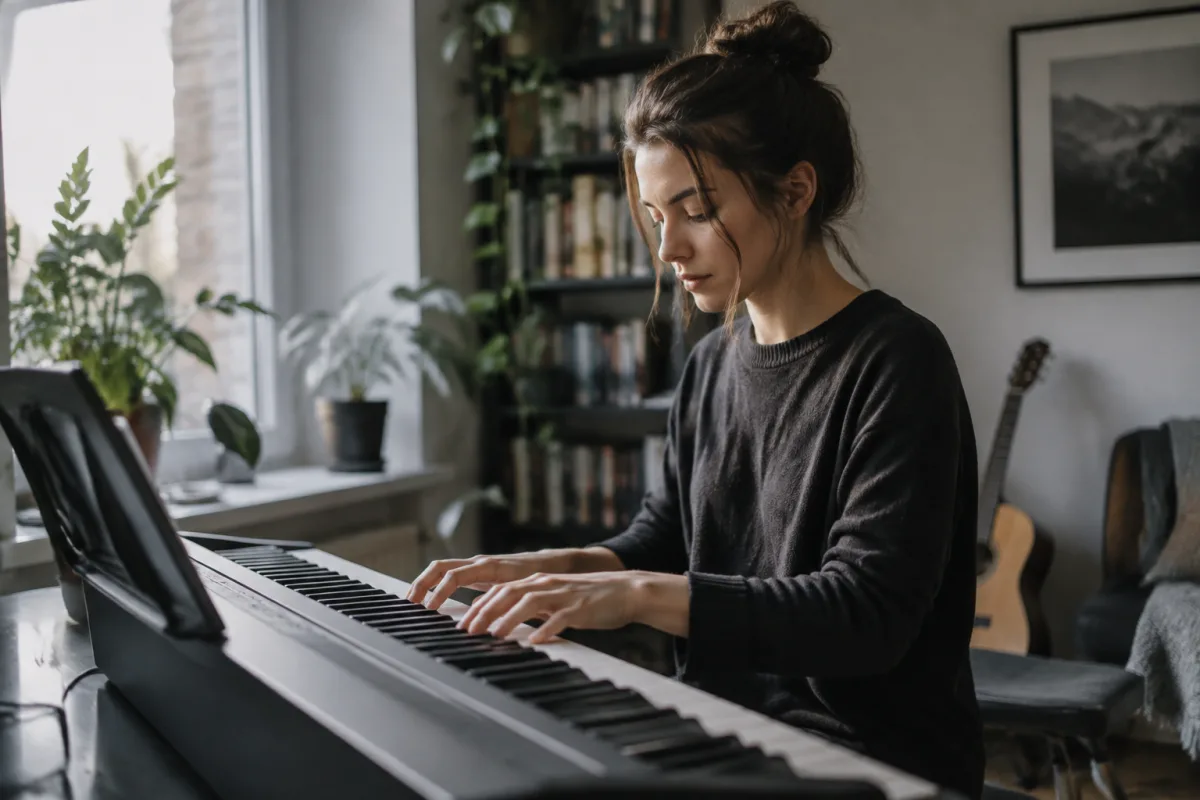
Choosing your first home digital piano is both exciting and overwhelming. With so many models, sizes, and price points available, it's easy to get lost in the specifications. This beginner's guide cuts through the noise and helps you understand what actually matters: how to find a digital piano that sounds good, feels natural to play, and fits your space and budget—without unnecessary bells and whistles that you won't use.
Why a Home Digital Piano, Not an Acoustic?
An acoustic piano is beautiful and inspiring, but it's also heavy, expensive to tune, requires professional moving, and produces sound your neighbours might object to. A digital piano offers a practical alternative: you can play at any hour with headphones, it fits in small apartments, it costs a fraction of an acoustic, and it never needs tuning. Most importantly, modern digital pianos sound and feel remarkably close to real instruments—close enough that you won't feel limited in your learning.
The one caveat: an acoustic piano has a unique mechanical response that some players prefer. If you try both and the difference matters to you, save for an acoustic later. For now, a good digital piano is an excellent, smart investment.
Key Things to Understand as a Beginner
Weighted keys matter. When you press a key on a digital piano, does it feel like pressing a real piano key, or does it feel light and plasticky? Weighted keys have internal springs and resistance that mimic the weight of acoustic piano keys. For a beginner, this is crucial: weighted keys build the correct finger strength and muscle memory. A cheap unweighted keyboard feels nothing like a real piano and is harder to transition from later. Avoid the temptation to buy an unweighted model to save money—you'll regret it.
The sound engine is what you hear. Digital pianos use "samples" or "modelled sounds" of real grand pianos. A realistic sound helps you stay motivated; a thin, tinny sound is discouraging. Listen to demo videos on YouTube of the specific model you're considering. Don't just read specs—hear it.
Size and portability matter for everyday life. A full 88-key weighted piano is about 5 feet wide and weighs 40–60 kg. Does it fit in your room? Can you move it if needed? Can you keep it on a stand, or do you need a console-style cabinet? Answer these questions before shopping, or you'll end up with something beautiful but impractical.
What to Look for in Your First Home Digital Piano
When evaluating models, prioritize these features:
- 88 weighted keys: This is the standard piano size. Smaller keyboards (61 or 76 keys) are cheaper but limit what you can play. Save up for 88 keys if you can.
- Weighted action with hammer effect: The best digital pianos use "GrandTouch" or similar action that mimics the physical response of an acoustic grand. This costs more but is worth it for feel.
- At least 3–5 built-in sounds: You don't need 1,000 sounds; you need good piano, electric piano, and perhaps organ. Quality over quantity.
- Headphone output: Essential for practice at night or in shared housing. Make sure the headphone jack is on the keyboard itself, not buried on a back panel.
- Pedals: Full-size pianos have three pedals (sustain, soft, middle). Your digital piano should have at least a sustain pedal input, ideally all three. Using pedals correctly is part of learning real technique.
- MIDI connectivity: USB or MIDI-IN lets you connect to a computer for recording or educational software. It's not essential as a beginner, but it's nice to have.
- Stability: The piano should sit on a sturdy stand or cabinet, not wobble when you play. Cheap stands feel shaky and undermine your confidence.
Common Beginner Pitfalls
First-time piano buyers often make these mistakes:
- Choosing an unweighted keyboard to save money: You'll outgrow it immediately and regret not spending £100–200 more for weighted keys. Buy weighted from the start.
- Buying a stand-alone keyboard with no stand: You'll then spend £150–300 on a separate stand. Buy a package with keyboard + stand included, or go with a console model that's all-in-one.
- Ignoring sound quality in person: YouTube demos sound good on your phone; in your room, a cheap sound engine is thin and depressing. Visit a shop, put on headphones, and listen to multiple pianos side-by-side. The difference is real.
- Overbuying features: A digital piano with 1,000 synth sounds and a built-in sequencer is overkill for a beginner. You'll use the piano sound 99% of the time. Save the complexity for later or spend the money on a better sound engine instead.
- Skipping the pedals: The sustain pedal is a fundamental part of piano playing. Many entry-level packages don't include pedals, expecting you to buy them separately (for £100+). Make sure they're included or budget accordingly.
What Price Range Should You Expect?
£200–400: Entry-level unweighted keyboards. Not recommended if you're serious about learning. Fine for casual noodling or if you're testing whether piano is for you.
£400–800: Entry-level weighted digital pianos with decent sound engines. This is where real learning can start. Look for brands like Yamaha P-125, Casio PX-S1000, or Roland FP-30X. Good value.
£800–1,500: Mid-range weighted pianos with better sound engines, more responsive action, and more built-in features. Often includes a stand and pedals. Suitable for serious amateurs and intermediate players.
£1,500–3,000: High-end home digital pianos with exceptionally realistic sound and action. Approach acoustic piano quality. Worth the investment if you play daily or are considering a music career.
£3,000+: Premium models with top-tier sampling, cabinet finishes, and advanced features. For professionals or serious enthusiasts. Unless you know you want this, save money at lower price points.
Making Your Final Choice
Test multiple models if you can. Sit down and play simple scales and songs on each one. The piano that feels most responsive and sounds most inspiring is the right choice for you, even if another model has fancier specs. Your emotional connection to the instrument matters—you're more likely to practise on something you enjoy playing.
Also consider the warranty and after-sales support. A good retailer offers returns within 14 days if you're not satisfied and repair services if something breaks. This peace of mind is worth paying a bit extra for.
Start with weighted keys, a good sound engine, pedals, and headphone output. Everything else is a bonus. With a solid foundation, you'll enjoy practising and progressing quickly. Good luck with your piano journey.


Comments