


Home Digital Piano Buying guide
Home Digital Piano: A Complete Buyer's Guide
A home digital piano brings acoustic piano experience to apartments and small spaces. Learn what specs truly matter, budget effectively, and avoid common buyer mistakes.
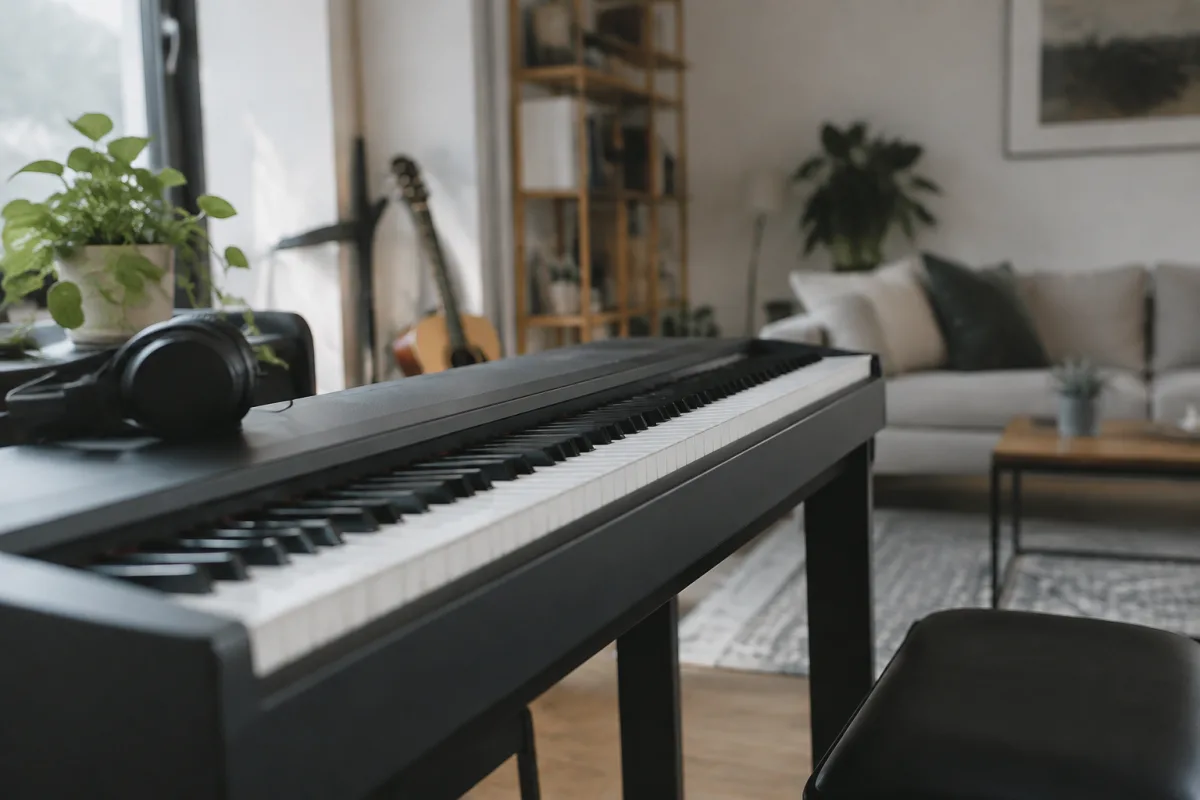
Buying a home digital piano is a major decision. Unlike acoustic pianos, a digital piano offers variety, affordability and the flexibility to practise at any hour without disturbing neighbours. But with dozens of models at every price point, choosing the right home digital piano can feel overwhelming. This guide walks you through the essential specs, budget options and common mistakes so you can confidently select the instrument that fits your space and your playing goals.
What Specs Matter Most When Buying a Home Digital Piano
Before you compare prices and features, understand what actually makes a difference when you sit down to play:
- Key action: This is the mechanism that responds to how hard you press each key. Weighted keys (which feel heavier and more like an acoustic piano) are standard on quality home digital pianos. Hammer action adds a felt-like resistance at the top of the keystroke, mimicking the experience of a real piano. This matters if you want to develop proper technique or if you plan to perform on acoustic pianos eventually.
- Sound sampling: Better home digital pianos sample real piano sounds from top concert instruments. Cheap sampling sounds thin and artificial; premium sampling (often from Yamaha, Roland or Kawai) captures the full resonance and character of a real piano.
- Polyphony: This is how many notes the piano can play simultaneously. 64 notes is adequate for most players; 128 or higher is ideal. Run out of polyphony and notes drop off silently, which is frustrating during complex passages.
- Pedals: Any respectable home digital piano has three pedals that mimic acoustic piano pedals. Cheap models skip proper pedal support; avoid them.
- Connection options: USB and MIDI connections let you connect to a computer for recording, learning software or playing along with backing tracks. This feature is increasingly common even on budget instruments.
- Size and portability: Some home digital pianos are full 88-key weighted systems designed to live in one place. Others are compact 61-key units perfect for apartments or adding to an existing setup. Decide based on your space and commitment level.
Budget Tiers: What You Get at Each Price Point
Entry-level home digital pianos (£400–£800): Brands like Yamaha P-series and Casio Privia offer 88 weighted keys, decent sound and basic connectivity. These are solid instruments for beginners learning technique. Sound quality is acceptable but not exceptional, and you might notice artifice in the sampled sounds during sustained playing.
Mid-range options (£800–£2,000): Roland FP-series and Yamaha professional P-series sit here. Expect superior key action, richer sound sampling from top concert pianos, and full feature sets. A mid-range home digital piano bridges the gap between affordability and genuinely pro-level tone and feel. Most serious amateur players and semi-professional musicians choose at this price point.
Premium home digital pianos (£2,000–£5,000+): Kawai MP series, Roland Fantom and top-tier Yamahas bring near-acoustic realism. The sampling is impeccable, the key action is indistinguishable from high-end acoustic pianos, and every detail shows meticulous engineering. These are instruments you might never outgrow.
Common Mistakes When Buying a Home Digital Piano
Avoid these slip-ups:
- Prioritising brand over action: A home digital piano from an unfamiliar brand might have excellent key action. Try before you buy and judge by feel, not logo.
- Underestimating key action: If you're planning to play for more than a year or so, weighted keys are essential. Non-weighted keyboards feel nothing like a real piano and will frustrate you.
- Overlooking pedal quality: A cheap set of three pedals that are mushy or unresponsive ruins the experience. Test the pedals before committing.
- Buying a 61-key model and regretting it: The full 88-key standard is worth the extra cost. Someday you'll want to learn a piece that needs those low notes.
- Ignoring the built-in speakers: Some home digital pianos have tiny, tinny built-in speakers. If you're not connecting to an external amp, listen to the speakers in-store and make sure they sound pleasant to you.
- Assuming every home digital piano sounds like a real piano: It doesn't. Entry-level models sound acceptable but noticeably synthetic. Mid-range and above are much more convincing.
New vs. Used: Which Should You Buy?
A used home digital piano can save you 20–40%, but inspect carefully. Check that all keys respond smoothly, no keys stick, the pedals work properly, and the sound is even across the range. Test it for at least an hour. If you're a beginner, new offers the assurance of warranty and known condition. If you're expanding your setup or upgrading, buying used from a reputable seller can be smart.
Space and Setup Considerations
Where will your home digital piano live? A full-sized 88-key weighted model is bulky and heavy (30–70 kg). Make sure you have a stable stand (most models require one) and space where it won't dominate the room. Apartment living? A compact 61-key model or something designed to live on a furniture-style stand might suit better. Also consider whether you'll record or play along with backing tracks—if so, ensure your model has the connectivity you need.
For deeper technical information about home digital piano features, models and models from specific brands, check our full home digital piano guide.
Choosing Your First Home Digital Piano
If you're learning piano for the first time, a mid-range model with full 88 weighted keys, good sound sampling and built-in connectivity will serve you beautifully for years. Spend time in a music shop playing several options, ignore brand prestige, and choose based on how it feels under your hands and how the sound sits with your ear. A home digital piano is a companion for your musical journey—choose one you'll genuinely enjoy practising on every day.



Comments