


Console Digital Piano article
Console Digital Piano for Beginners: A Complete Guide
Starting with a console digital piano doesn't require experience or complex knowledge. This beginner's guide takes you from unboxing through first practise sessions, avoiding common pitfalls and building confidence at every step.
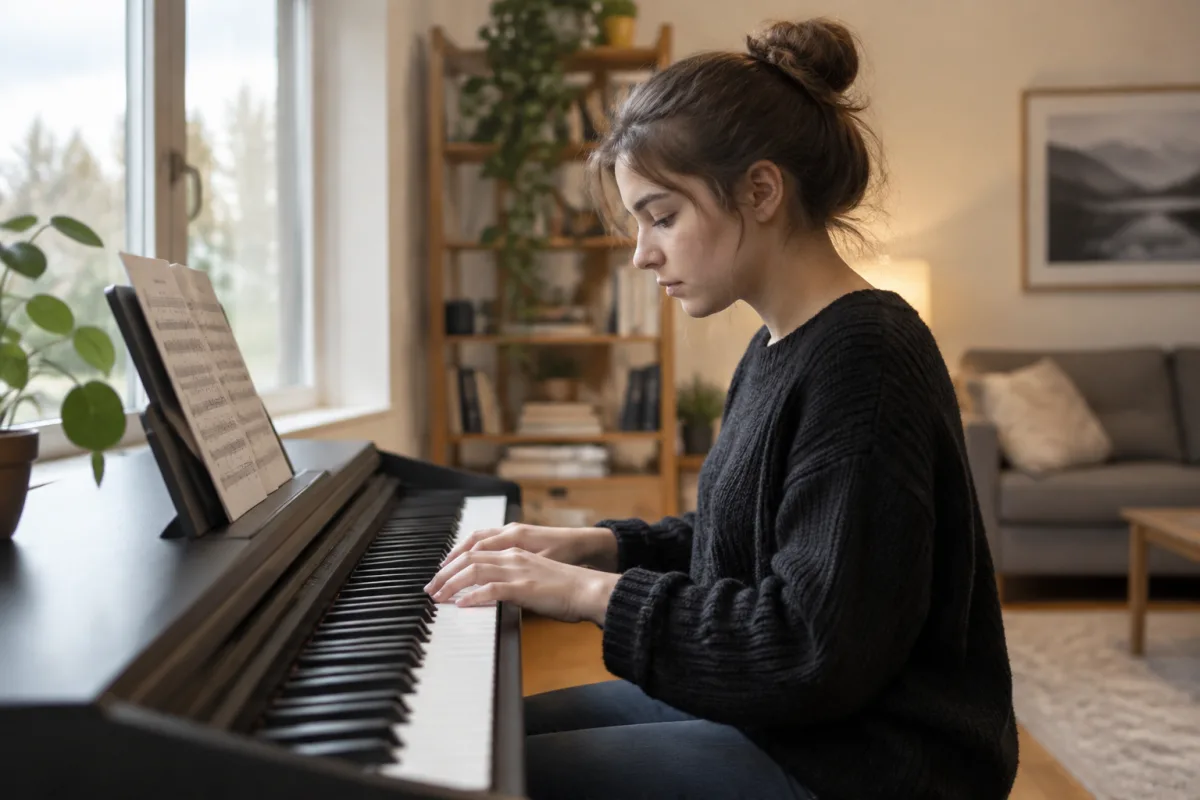
Getting started with a console digital piano might feel intimidating if you've never owned one before, but it's genuinely simpler than you think. You don't need to be an experienced musician or understand complex electronics—just a willingness to spend a bit of time learning the basics. This guide walks you through the essentials, shows you exactly how to get up and running on your first day, and helps you avoid the common mistakes beginners make. Whether you're exploring piano for the first time or returning to playing after years away, a console digital piano is one of the most forgiving instruments to start with.
Why Start With a Console Digital Piano?
Console digital pianos are brilliant for beginners because they're designed to feel and sound like acoustic pianos without the cost, space demands, or maintenance headaches. The weighted keys mimic the hammer action of a traditional piano, so your fingers develop proper technique from day one. You get hundreds of built-in sounds, which means you can explore jazz voices, orchestral tones, or experimental textures without buying separate instruments. Most importantly, a console digital piano stays in tune forever—no technician visits, no worry about humidity damage, just reliable performance whenever you sit down to play.
The full-size keyboard with 88 weighted keys means you're learning on the same layout professional pianists use. That's not true of smaller portable keyboards, which can create bad habits. Console models also offer the stability and feel you need when developing proper hand position and technique. It's an investment that grows with you from beginner through intermediate playing.
What You'll Actually Need
Before purchasing, understand what you're getting into setup-wise. A console digital piano needs:
- Mains power: A dedicated outlet within reach. Most models use standard UK plugs and don't consume excessive electricity.
- Space: These aren't tiny—expect to dedicate a corner or room section, roughly the size of an acoustic upright piano.
- A bench or stool: Most consoles don't include one; check the seat height before buying (you want your elbows at roughly 90 degrees when sitting).
- Headphones (optional but recommended): Essential if others live with you and you want to practise late. Any standard headphones work, though good ones make practising more pleasant.
- A sustain pedal: Usually included, but confirm. The three-pedal system (sustain, soft, sostenuto) matters less for beginners, but sustain is non-negotiable.
You don't need recording equipment, fancy cables, or audio interfaces starting out. Plug it in, sit down, and play. That simplicity is part of the appeal.
First Steps After Setup
Once your console digital piano is positioned and powered up, take these steps:
- Play around first. Spend 30 minutes exploring sounds, adjusting the volume, and getting comfortable with the keys. Press random keys, try different instrument voices, see what the reverb and effects do. This isn't wasted time—it's familiarising yourself with your new tool.
- Learn the basic controls. Find the power switch, volume knob, and sound selection buttons. Read the quick-start section of the manual (skip the rest for now). Most controls are intuitive, but knowing where they are saves frustration.
- Adjust the bench height. This matters more than beginners realise. Your forearms should be roughly parallel to the keyboard, elbows at about 90 degrees. Too low and you strain your shoulders; too high and you lack leverage.
- Test the sustain pedal. The rightmost pedal holds notes after you release the key. Play a note, press the pedal, and release the key—you should hear the sound continue. This is foundational to piano sound.
- Plug in headphones. If you're using them, test the jack and volume balance. Some models let you play through both speakers and headphones; others switch between them.
Common Beginner Mistakes to Avoid
Learning from others' missteps means you progress faster and enjoy the experience more:
- Ignoring hand position: This is the biggest one. Curved fingers, relaxed wrists, proper posture—they feel awkward at first, but they prevent injury and make learning faster. Ten minutes of instruction from a teacher or online video is worth months of unlearning bad habits later.
- Misusing the sustain pedal: Beginners often hold it down constantly, creating a muddy sound. The pedal is a tool, not always-on. Learn to use it musically—hold it for phrases that need continuity, release it for clarity.
- Cranking the volume to unplayable levels: Start quiet. You're learning to control dynamics, not impressing anyone. A soft piano is more delightful than a loud one anyway.
- Jumping into complicated pieces immediately: Stick with simple folk melodies and beginner songbooks for the first few weeks. Success builds confidence. Complex pieces come later.
- Skipping proper positioning: A slouched posture or low bench feels comfortable initially but leads to tension and limited reach. Spend the money on a proper bench and invest five minutes adjusting it correctly.
- Expecting perfection at first: Your hands will feel clumsy, your rhythm will be shaky, and that's completely normal. Practising 20 minutes daily beats one long, frustrating session. Consistency matters far more than intensity starting out.
Finding Your First Teacher or Resources
You have options here depending on your learning style and budget. A private teacher—even just four or five lessons—gives you personalised guidance and corrects emerging bad habits before they take root. Online platforms like Simply Piano or Flowkey offer gamified learning that's genuinely engaging. Free YouTube channels like PianoTV have excellent beginner tutorials. Many players combine approaches: occasional lessons for technique, daily apps for drilling, and YouTube for encouragement.
Whatever you choose, invest in a beginner method book like the Alfred Adult All-in-One series or the Hanon exercises. These provide structured progression and proven pieces to work through. A book plus online resources or a teacher creates the ideal learning environment.
Understanding Your Console Digital Piano's Sounds
Most console models offer 50 to 500+ instrument voices. Beginners often feel overwhelmed by choice, so start simple: use the Grand Piano voice (usually the default). That's what you're practising on, that's what sounds most like a real piano, and that's what your technique applies to. Later, explore other voices—electric pianos, strings, organs, bells. Each has a different feel and demands different technique nuances.
The reverb and chorus effects add space and shimmer to your sound. Experiment gently. A little reverb makes practising more enjoyable; excessive reverb hides sloppy playing. Find a balance that sounds pleasant but doesn't mask mistakes.
Practise Routines That Actually Stick
Twenty minutes daily beats two hours once a week. A sensible routine:
- Five minutes of scales or finger exercises (warming up, building muscle memory)
- Ten minutes on the piece or pieces you're learning (slow, focused, repetition)
- Five minutes exploring—playing anything you feel like, for pure enjoyment
That's it. Short, consistent, and it keeps you improving without burning out. Many beginners start enthusiastically, practise for two hours, feel exhausted, and then avoid the piano for a week. Daily practise, even brief, creates steady progress and genuine habit.
When to Consider Next Steps
After a few months of regular practise, you'll know if you want to continue. Some people discover piano isn't for them, and that's fine—you've learned that without investing years. Others catch the bug. If you're genuinely enjoying it, consider finding a dedicated teacher who can guide you past the intermediate plateau. Invest in better headphones if you're using them regularly. When you've mastered console digital piano basics, exploring deeper aspects of console digital pianos and specific models becomes genuinely useful.
Conclusion
Starting on a console digital piano is one of the most accessible ways to begin a musical journey. You've eliminated most of the barriers—cost, space, maintenance, and tuning headaches—and kept everything that makes playing rewarding. Focus on proper technique, practise consistently (even briefly), enjoy the process, and be patient with yourself. Within weeks, you'll be playing recognisable melodies. Within months, you'll have a real skill that brings genuine joy. The nervousness you feel now is just excitement wearing an unfamiliar disguise.



Comments