


Console Digital Piano Buying guide
Console Digital Piano: A Complete Buyer's Guide
Console digital pianos offer affordable home playing, but the market is crowded. This guide walks you through the specs that matter, price tiers and common pitfalls.
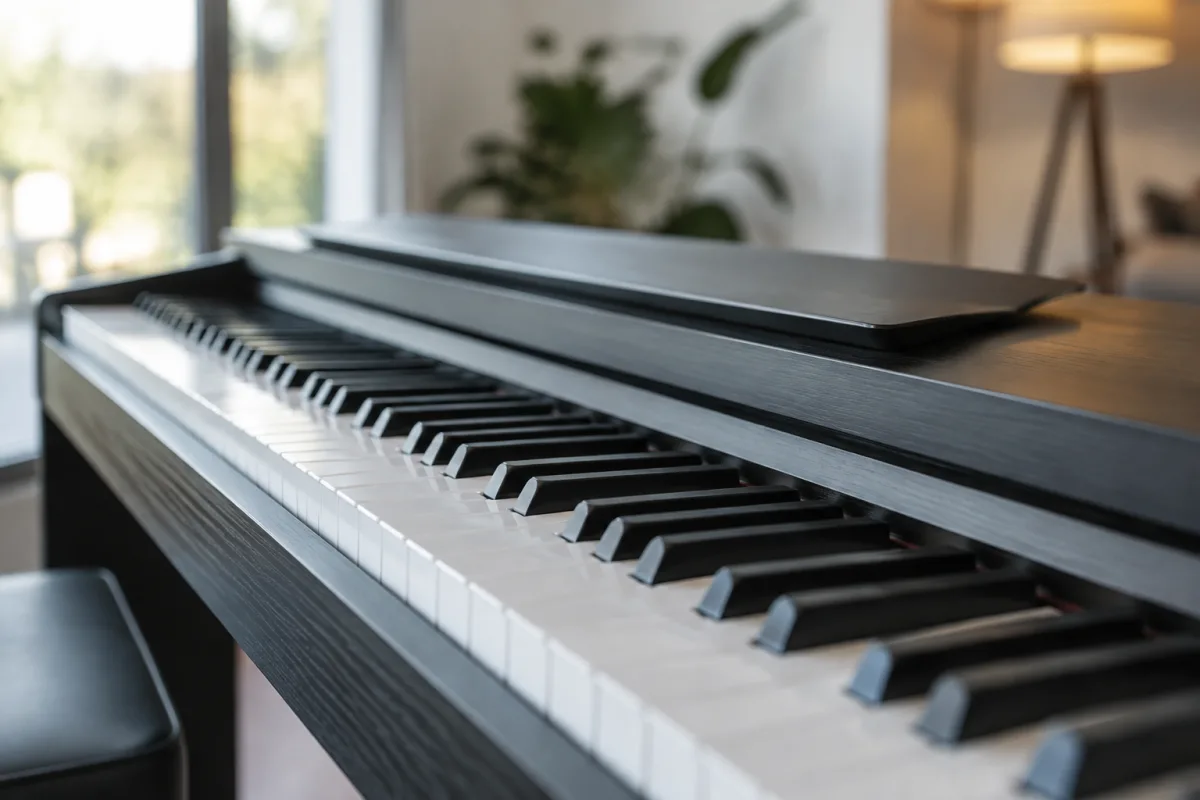
How to Choose a Console Digital Piano: A Buyer's Guide
Console digital pianos sit between portable keyboards and full 88-key stage models, making them tempting for home players. But the market is crowded with different brands, price points and feature sets. This guide helps you navigate the specs, identify what actually matters for your needs and avoid the common pitfalls that trip up first-time buyers.
Key Specs to Evaluate Before You Buy
Keyboard Action
This is the most critical choice. Console digital pianos offer different hammer action systems. Look for these:
- Weighted hammer action: The best choice. Mimics acoustic piano resistance with springs and hammers beneath each key. Heavier resistance builds proper finger strength and technique.
- Graded weighted action: Keys are weighted differently across the range—heavier in the bass, lighter in the treble, like a real piano. Worth the extra cost if you are a serious learner.
- Semi-weighted: Lighter than hammer action. Acceptable for casual players but not ideal for technique building.
- Non-weighted: Avoid this. It feels nothing like an acoustic piano and ruins developing players' finger strength.
Always play a demo model before buying. The difference between weighted and non-weighted is immediately obvious under your fingers.
Sound Engine and Polyphony
Console digital pianos should have at least 64-note polyphony—the number of sounds that can play simultaneously. Most now have 128 or even 256 notes. Anything less than 64 means notes will drop out when you play complex passages or use the sustain pedal heavily.
Listen to the piano voices. Some sound thin and cheap; others capture the warmth and complexity of a real grand piano. The best models sample sounds from genuine acoustic pianos. Brands like Yamaha, Roland and Casio invest heavily in sound quality, but cheaper brands often scrimp here.
Touch Response and Dynamics
Digital pianos measure how hard you strike each key and adjust volume accordingly. This is called touch response. Look for pianos that allow you to adjust sensitivity to suit your playing style. Some have presets: "fixed" for beginners, "normal" for most players, "sensitive" for expressive playing. Others let you calibrate individual keys.
Number and Quality of Sounds
Console models typically include dozens or hundreds of instrument voices—pianos, electric pianos, organs, strings, brass and more. Ask yourself: how many will you actually use? Beginners focus on one good piano sound. If you plan to experiment with genres or teaching students multiple instruments, more voices justify the cost.
Pedals
Ensure the piano has three pedals, not two. The sustain pedal (right) is essential; the soft pedal (left) and middle pedal (sostenuto or soft bass) matter for serious players. Check that pedals respond realistically—some cheap models treat pedals as simple on/off switches rather than sensing continuous pressure, ruining your pedal technique.
Build Quality and Durability
Cabinet Construction
A console piano's cabinet is its body. Wood construction (real or engineered wood) is more durable than cheap plastic. Run your hand over the casing; if it feels flimsy or rattles, walk away. The cabinet should feel solid and stable.
Key Material
Wooden keys with ivory-textured keytops are standard on quality models. They look and feel superior to plastic. Plastic keys work but feel cheap and wear more quickly under heavy use.
Warranty
Reputable brands offer 3–5 year warranties. If the warranty is only one year or non-existent, that is a red flag. Check what is covered: sometimes labour is not included, so repairs will cost you more.
Price Tiers and What Each Offers
Budget: £600–1,500
Entry-level console pianos suitable for absolute beginners. Expect semi-weighted or basic weighted action, adequate but thin piano sounds, limited voices and plastic keytops. Build quality is basic. Good for testing commitment to learning.
Mid-range: £1,500–3,500
The sweet spot for most home players. Graded weighted hammer action, high-quality sampled piano sounds, 100+ voices, realistic pedal response. Cabinet is sturdy. These models strike the balance between cost and genuine playability. Brands like Yamaha P-series and Roland FP-series live here.
Premium: £3,500–8,000
For serious amateurs and professionals. Boutique weighted actions, premium sampled sounds from world-class pianos, hundreds of voices, Bluetooth connectivity, recording features and high-end finishes. You are paying for genuine craftsmanship and nuance, not just more features.
High-end: £8,000+
Stage pianos and limited-edition models. Usually more expensive than a real acoustic piano. Only justified if you perform, record professionally or need specialised connectivity for studios.
Common Pitfalls to Avoid
- Buying based on brand name alone. A cheap model from a respected brand is still cheap. Try before you buy, regardless of the maker.
- Skipping the weighted action demo. Non-weighted keyboards feel completely different. Never skip this test—it is the core of your experience.
- Focusing on voice count over sound quality. A piano with 500 mediocre voices is less useful than one with 50 beautiful, carefully sampled sounds.
- Ignoring pedal response. You will use the sustain pedal every day. Cheap pianos with fake pedal response will frustrate you within weeks.
- Forgetting about furniture and space. Console pianos are large and heavy. Measure your space before ordering. They do not fit in every room, and moving them is a hassle.
- Overlooking after-sales support. If something breaks, can you reach the retailer or a local technician? Check reviews and ask before buying.
- Assuming more expensive = better for you. A £5,000 piano with studio recording features is wasted on a casual learner. Honesty about your needs saves money.
Connectivity and Extra Features
Modern console pianos often include USB or MIDI ports, allowing you to connect to computers for recording or music software. Bluetooth connectivity lets you play backing tracks from your phone. These are nice to have, not essential. Do not pay extra for features you will never use, but if you plan to record or teach, ensure the model you choose supports the software you prefer.
Where and How to Buy
Visit a music shop to play several models side by side. Online reviews are useful but never replace hands-on testing. If buying online, check the return policy—digital pianos are expensive, and sometimes they do not suit your space or touch preference until you have lived with one.
Check for seasonal sales and bundle deals. Retailers often throw in headphones, a stand or sheet music with purchase. These add real value, so ask what is included before comparing prices.
The Bottom Line
Choosing a console digital piano boils down to testing weighted action, listening to piano sounds, and being honest about your budget and goals. The best piano is one you will actually play. Spend at least an hour trying different models, and do not let brand reputation or extra features distract you from the fundamentals—a key action that feels right and piano sounds that inspire you. That is worth far more than a fancy specification sheet.


Comments