


Combo Organ article
The Ultimate Guide to Combo Organ
Combo organs deliver authentic warm tones prized by soul, funk, and rock musicians. Learn about vintage Hammond, Vox, and Farfisa models, and discover if a combo organ suits your playing.
Understanding the Combo Organ
The combo organ bridges keyboards and traditional pipe organs, offering a compact instrument that delivers rich, expressive sound without requiring dedicated architectural installation. Popular throughout rock, soul, funk, and gospel traditions, a combo organ has become increasingly appreciated by contemporary musicians seeking vintage character and authentic warm tones.
History and Development
Combo organs emerged in the 1960s as manufacturers sought to make electronic organs portable and affordable. Rather than massive pipe organs occupying entire rooms, a combo organ could be transported to venues and studios. Models from Hammond, Vox, Farfisa, and others established themselves as essential rock instruments, heard on countless classic recordings. The vintage appeal remains strong today amongst musicians valuing the authentic tones these instruments produce.
Tone Generation Systems
Vintage combo organs used electromechanical tone generators—rotating tone wheels or electronic oscillators producing characteristic sounds. A combo organ's voice typically features warm, slightly artificial character that proves immediately recognisable to trained ears. This tonal signature, often described as retro or vintage, has become fashionable again as musicians rediscover these instruments' soulful capabilities. Modern digital recreations attempt to capture this character, though many musicians insist vintage combo organ hardware delivers superior results.
Key Components and Features
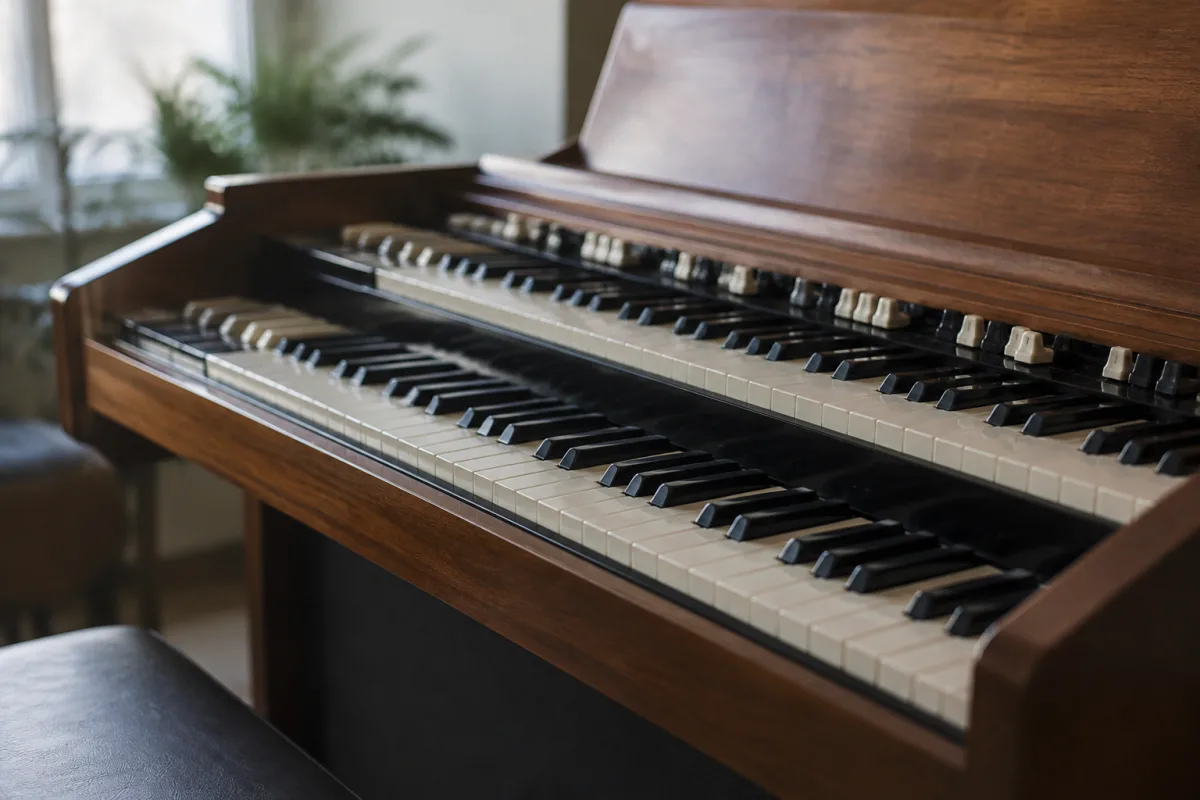
A typical combo organ includes multiple keyboard sections: a lower manual for bass lines, an upper manual for melody, and sometimes additional keyboards for percussion effects. The drawbars or tone selection controls allow players to shape the sound. A combo organ often features built-in effects—vibrato, chorus, and tremolo—controlled through dedicated knobs. The expression pedal provides dynamic control over volume and tone throughout performances.
Cabinet and Speaker Integration
Unlike modern keyboards, a vintage combo organ integrates speaker cabinets into the instrument housing. This built-in amplification proves essential to authentic tone reproduction—separating the instrument from speakers typically results in lost character. A combo organ with original speaker components delivers considerably superior results compared to versions retrofitted with external amplifiers.
Selecting a Quality Combo Organ
When purchasing a combo organ, condition and originality significantly impact both sound and value. Original components—drawbars, switches, tubes, and speakers—preserve authentic tone. A combo organ requiring restoration may cost considerably less upfront but demands investment in qualified technician work. Verify that electrical systems function safely; vintage instruments may require updates to meet modern electrical standards.
Common Models Worth Considering
The Hammond B3 represents the ultimate combo organ benchmark, prized for its distinctive drawbar controls and warm, complex tone. Smaller Hammond models offer similar character in compact formats. Vox organs provide brighter, more percussive character. Farfisa models deliver unique, characterful sounds. Each manufacturer's combo organ signature suits different musical contexts. Try examples from various brands before committing to a purchase.
Playing Technique and Mastery
A combo organ requires learning distinct playing techniques compared to modern keyboards. The drawbar controls demand real-time manipulation during performance—part of the instrument's appeal is dynamic tone-shaping through skilled playing. Expression pedal management adds another control layer. Musicians transitioning from modern keyboards often find the learning curve worthwhile, as the expressive potential rewards dedicated practice.
Maintenance and Care
Vintage combo organs require specialist maintenance. Electrical systems, tube amplifiers, and mechanical components need regular inspection by qualified technicians. Routine maintenance includes checking valve condition, cleaning drawbar contacts, and verifying amplifier function. The investment in proper maintenance preserves both value and tone quality. Neglected instruments deteriorate rapidly, and restoration becomes prohibitively expensive.
Modern Alternatives and Digital Recreations
Contemporary keyboard manufacturers offer digital recreations of classic combo organs, providing access to vintage tones without maintenance demands or space requirements. These electronic versions perform admirably in many contexts. However, experienced musicians often detect subtle differences in tone authenticity and playability compared to vintage hardware. For professional recording and touring contexts, many musicians still prefer original combo organs despite their greater complexity and maintenance requirements.
Investing in a Combo Organ
A quality vintage combo organ represents a musical and financial investment. Prices range from £1500 for smaller, less sought-after models to £5000+ for pristine examples of premium brands. Despite higher costs, a combo organ typically holds value better than modern keyboards due to vintage appeal and collector interest. If you're drawn to classic soul, funk, rock, or gospel sounds, acquiring and mastering a combo organ rewards the investment abundantly.





Comments