


Combo Organ Buying guide
Combo Organ: A Complete Buyer's Guide
Find the right combo organ for your needs. This buying guide covers keyboard feel, organ tones, drum engines, portability, and common pitfalls to avoid.
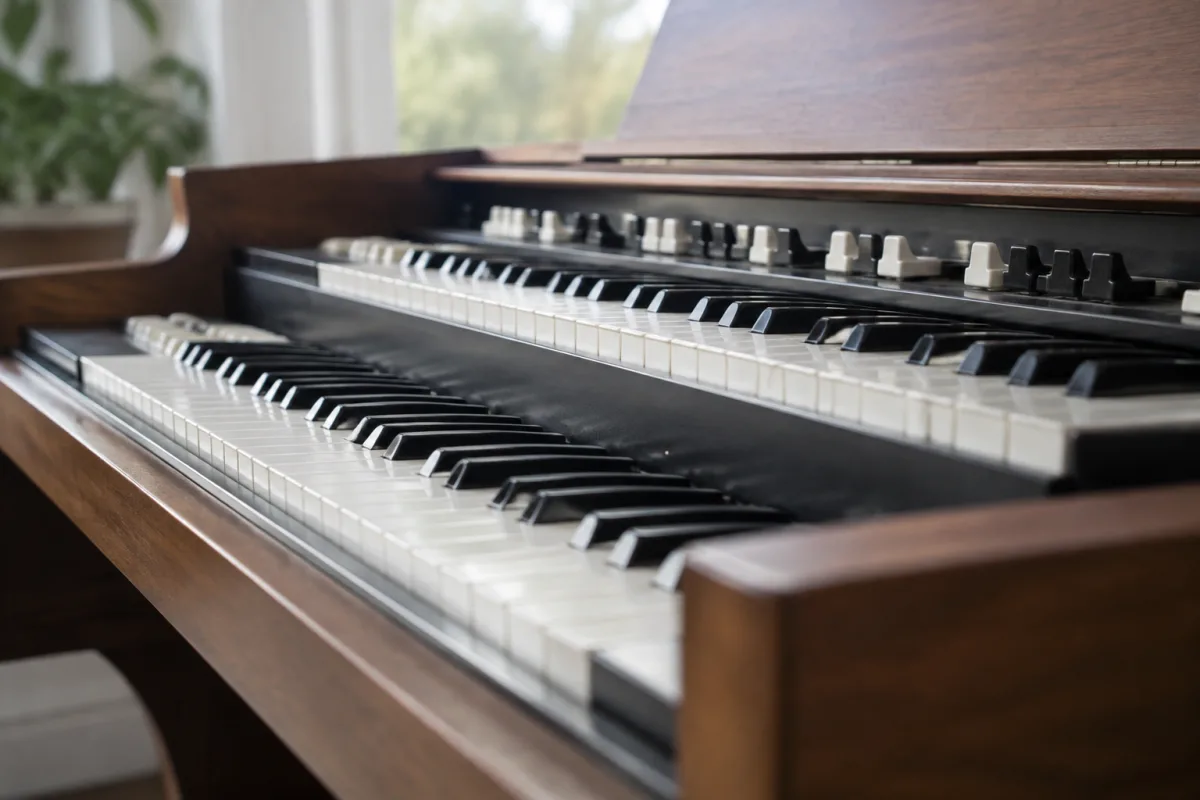
A combo organ is a versatile keyboard instrument that combines authentic organ sound with onboard rhythm patterns, drum kits, and preset sounds. Whether you're setting up a home studio or performing live, understanding what matters when buying a combo organ can help you find one that fits your budget, musical goals, and physical space.
What Defines This Instrument
A combo organ sits between a traditional pipe or theatre organ and a modern synthesizer. It features dedicated organ drawbars or voice selectors, built-in drum machines, and often rhythm accompaniment features. Unlike a traditional organ, a combo organ is compact and self-contained, requiring only an amplifier or external speakers. Unlike a general-purpose synthesizer, it's specifically voiced and equipped to deliver authentic, playable organ tones—especially the distinctive percussive attack that defines classic soul, funk, and gospel organ playing.
Keyboard Size and Touch
When shopping for a combo organ, keyboard size matters more than you might think. Most full-size combo organ models feature 61 or 88 keys. An 88-key combo organ gives you a full piano range, which is essential if you play classical arrangements or need the full breadth of the instrument. A 61-key model is more portable, lighter to move, and easier to fit into smaller rehearsal spaces or home studios. A 49-key option is compact and ideal for travel, but it limits your range and expressiveness.
Beyond key count, evaluate the touch and action. A weighted or semi-weighted keyboard responds more like a piano, giving you better dynamic control. An unweighted option feels lighter and suits faster playing but offers less dynamic nuance. Press down on the keys—an instrument with good aftertouch response (which lets you add vibrato or expression by pushing down after striking a key) will feel significantly more expressive.
Organ Voices and Sound Engine
The core reason to buy this type of instrument is its organ sounds. Look for one with dedicated drawbars (which let you adjust each harmonic manually, like a classic Hammond) or preset voices that cover a range from bright and punchy to warm and soulful. A good model will have at least 20–40 core organ tones, plus bass pedal voicings if you need to mimic a full setup.
Evaluate the additional sounds: it should include electric piano, Fender Rhodes-style tones, and synthesizer leads. If you're gravitating toward this type of keyboard for production work, look for a model with sound editing capabilities. Some versions let you layer sounds—combining organ tones with strings, for instance—which opens up creative possibilities.
Built-in Rhythms and Drums
One hallmark feature of this instrument is its built-in drum and rhythm section. A quality model should have rhythm patterns spanning soul, funk, gospel, pop, and rock. More importantly, test the drum engine: does the drum kit sound punchy and musical, or thin and synthetic? Kits should include kick, snare, hi-hats, and percussion layers with clean, responsive triggering. Some versions let you customise drum patterns or adjust tempo independently, which is powerful for recording.
Portability vs. Stability
If you're gigging regularly, the weight and size of your instrument matter significantly. A 49-key model typically weighs 8–15 kilos and fits in most car boots. A 61-key version runs 15–30 kilos and requires a sturdy stand. An 88-key model can weigh 40+ kilos and needs dedicated transport. Consider your typical venue setups and your physical capability to move the instrument. One that's too heavy discourages you from playing out.
Connection and Integration
Check the connectivity on your instrument before buying. Does it have MIDI in and out? Aftertouch on MIDI is crucial if you plan to sequence it or use it to trigger external sounds. USB connectivity is increasingly common and handy for recording directly into a DAW. Look for models with balanced XLR outputs (not just RCA unbalanced), which reduces noise when running to a mixer or audio interface.
What to Check In Person
Here's a practical evaluation checklist when testing your prospective instrument:
- Build quality: Inspect the cabinet, case, and keyboard mechanism. One with loose keys, rattling components, or signs of liquid damage should be avoided.
- Power supply: Test that it powers on smoothly, with no buzzing or hum (beyond the normal 50Hz hum inherent to some vintage designs). Hold a note and listen for electrical noise in the tone.
- Key responsiveness: Play scales across the keyboard. It should feel consistent across the range; some cheaper models have notchy or unresponsive keys in the upper register.
- Drawbar or voice tracking: If it has drawbars, ensure they move smoothly without crackling. If it has digital voices, confirm they switch cleanly without pops or clicks.
- Drum and rhythm response: Trigger the drum patterns and ensure the beats lock consistently to tempo. Models with laggy or slow rhythm response will frustrate you during performance.
- Pedal responsiveness: If yours includes footpedals for bass notes or expression, test them thoroughly. Pedals should respond reliably and hold calibration.
New vs. Used Considerations
Vintage models (1960s–1980s) are prized by collectors and working musicians for their tonal character and build quality. A well-maintained used instrument can be 30–50% cheaper than new whilst offering superior sound. However, older versions may need servicing: capacitors degrade, contacts accumulate grime, and tone wheels can wear. Budget £100–£400 for a thorough service on a vintage model.
New instruments come with warranty and the certainty that components are fresh. Modern versions often include MIDI and USB, making them easier to integrate into contemporary setups. The trade-off is that newer designs sometimes compromise on tone complexity to reduce manufacturing cost.
Price Tiers
| Price Range | What to Expect |
|---|---|
| Under £300 | Budget models with basic organ voices and drum patterns. Good for beginners or experimenting, but tone is often thin and features are limited. |
| £300–£800 | Mid-range instruments with solid organ tones, useful rhythms, and decent build. Good for home recording and small venue gigging. |
| £800–£2000 | Premium models with expanded sound palettes, better keyboards, and enhanced MIDI/connectivity. Suitable for touring musicians and serious enthusiasts. |
| Over £2000 | High-end new models or well-maintained vintage instruments. Exceptional tone, build quality, and extensive features. For professional players. |
Common Mistakes to Avoid
Don't fall into these traps when buying:
- Prioritising key count over sound: An 88-key model with mediocre tone is less useful than a 61-key instrument that sounds superb. Play before you buy.
- Underestimating amplification: The instrument through a weak amp won't shine. Plan to invest in decent amplification or speakers as part of your purchase.
- Ignoring portability: It's only useful if you'll actually transport it to gigs and rehearsals. An instrument that's too heavy often stays at home.
- Skipping the rhythm evaluation: If you buy primarily for its drums and rhythms, test them thoroughly before purchasing. Some models have rhythm engines that sound cheap or don't lock reliably to tempo.
- Overlooking connectivity: A modern instrument should integrate seamlessly into your setup. Ensure it has MIDI, USB, or audio connections that match your workflow.
Getting the Best Sound from Your Purchase
Once you've bought your instrument, invest time in learning its interface thoroughly. Many models have deep menu systems for customising sounds or patterns. Experiment with layering voices—combining organ tones with a bright lead or strings can expand your sonic palette significantly. If yours has aftertouch, practice using it for expression; it can make the difference between a stiff-sounding performance and one that feels alive.
For a comprehensive overview of combo organ characteristics, history, and sound design, explore our complete combo organ guide, which delves into evolution and construction.
Conclusion
Buying this instrument is a decision that hinges on your musical needs, available space, and how often you'll move it. Prioritise the core organ sound quality, keyboard feel, and build reliability over flashy features. Test it thoroughly before committing, and don't compromise on amplification. The right model can become a beloved part of your setup for decades, delivering soul, funk, and character that modern synthesizers often struggle to match.


Comments