


Behringer Pedal Buying guide
Behringer Pedal: A Complete Buyer's Guide
Considering Behringer pedals for your setup? This guide covers budget options, sound quality, durability, and how to choose affordable effects that actually work.
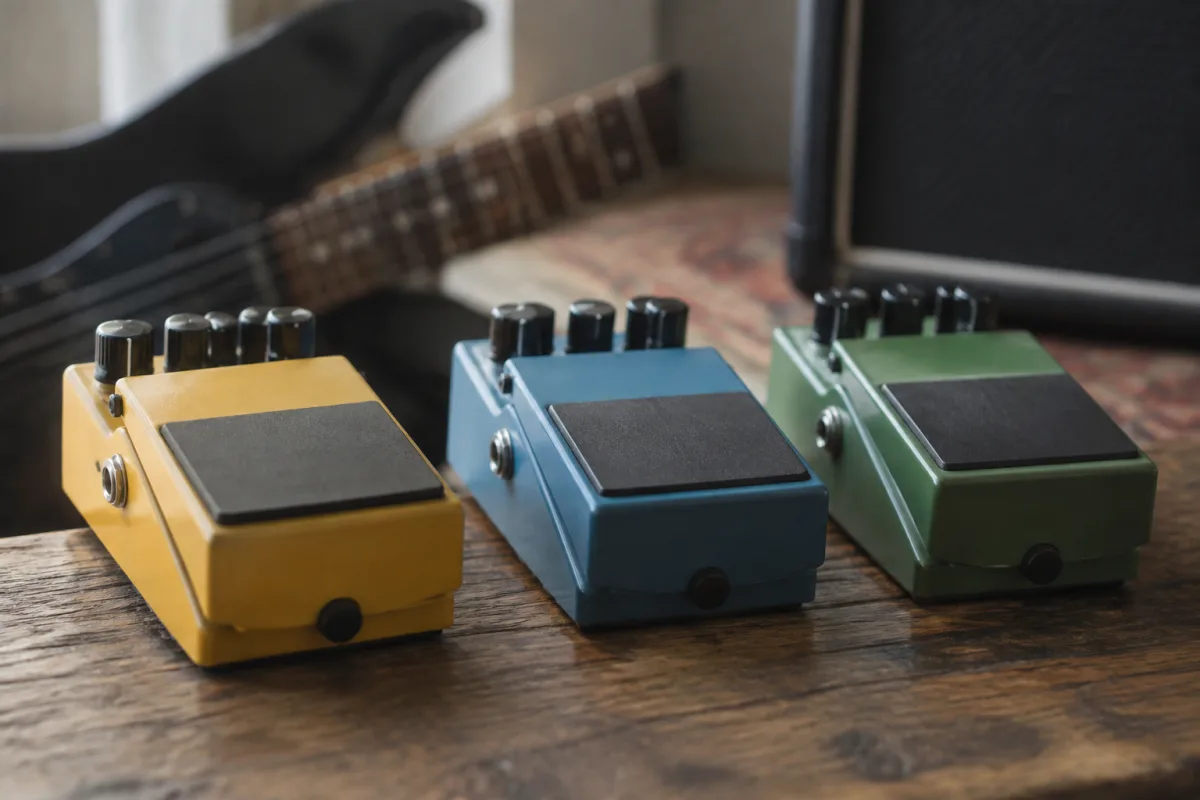
Behringer pedals have earned a reputation as the budget-conscious musician's secret weapon. These affordable effects pedals deliver surprisingly decent tone at prices that won't drain your bank account. If you're considering a Behringer pedal, this guide helps you understand what you're getting, whether value matches cost, and how to choose models that actually serve your playing. You don't need to spend hundreds on effects—Behringer pedals prove affordable alternatives genuinely work.
Understanding Behringer Pedal's Market Position and Philosophy
Behringer designs and manufactures Behringer pedals specifically for budget-conscious musicians. They replicate classic effects designs at fraction of premium brand pricing. A Behringer pedal might cost £30-60 where premium equivalents cost £80-150. This pricing strategy attracts beginners testing effects before investing in premium brands, casual players unconcerned with gear prestige, and musicians building large pedalboards affordably.
Behringer pedals won't satisfy audio engineers seeking pristine signal reproduction or professional touring musicians requiring bulletproof reliability. They're genuinely good enough for most players, particularly those prioritising affordability over boutique craftsmanship.
Common Behringer Pedal Types and Their Characteristics
Behringer produces pedals across all major effect categories. Overdrive and distortion Behringer pedals replicate classic tube-style crunch at accessible prices. Delay pedals offer tape-style ambience or digital precision. Modulation effects (chorus, flanger, phaser) create swirling tonal textures. Compressors even out dynamic range. Wah pedals provide filter effects. Tuner pedals ensure in-tune playing. Each Behringer pedal category delivers functional performance at budget pricing—not premium quality, but genuinely usable.
Behringer also manufactures multi-effects processors—single pedals containing dozens of effects. These suit musicians wanting variety without pedalboard space. However, interface complexity increases with effect count. Simpler Behringer pedals often deliver better user experience than multi-effect models.
Building Your Behringer Pedal Collection: Price Advantages
Behringer pedals enable budget musicians to build diverse pedalboard setups. Spend £200 on Behringer pedals and assemble distortion, delay, chorus, and compressor. Spend £200 on premium brands and you'll afford perhaps one quality pedal. This economic reality means Behringer pedals open sonic experimentation to musicians who couldn't otherwise afford multiple effects.
Budget-conscious touring musicians often use Behringer pedals as backups—they'll sacrifice one to harsh road conditions rather than risk expensive gear. Studio professionals use them for temporary experimentation before committing to premium versions. Beginners use them to discover whether specific effects suit their playing style. These practical applications make Behringer pedals genuinely valuable despite quality limitations.
Sound Quality: What You Trade for Budget Pricing
A Behringer pedal won't sound identical to a premium equivalent. The tonal difference varies by effect type and listening environment. Distortion pedals show the clearest difference—Behringer versions sound slightly grainy compared to premium circuits. Delay and reverb pedals reveal their budget origins through slightly digital-sounding trails. Modulation effects sound nearly indistinguishable from premium brands to most ears. Tuner pedals work identically regardless of brand.
Whether these tonal differences matter depends on your standards and playback environment. Bedroom practice through modest amplifiers—most users never hear these sonic differences. Professional venue performances through premium sound systems reveal quality gaps more obviously. Your ears and ears of your audience determine whether Behringer pedal compromises matter.
Durability and Build Quality Considerations
Behringer pedals use plastic enclosures and cheaper internal components compared to premium brands. They're functional and reasonably durable for occasional use, but their lifespan is shorter than premium alternatives. Footswitches eventually become sticky after thousands of presses. Potentiometers (knobs) sometimes develop scratchy behaviour over years. Input/output jacks eventually loosen.
This durability gap matters most for touring musicians and high-volume users. Casual bedroom players rarely stress Behringer pedals enough to encounter premature failure. Professional touring musicians quickly discover Behringer pedals' limitations. Budget for potential replacement every 2-3 years of heavy use. For occasional playing, Behringer pedals easily last 5-10 years.
New vs Used Behringer Pedals: Economic Considerations
Behringer pedals' low initial price means used versions offer minimal savings. A £40 new Behringer pedal might sell used for £25-30. The modest savings don't justify potential unknown history or lack of warranty. Conversely, premium brand used prices drop 30-40%, making used purchases economically sensible. For Behringer pedals, buying new protects your investment with warranty coverage.
Verify functionality before purchasing new Behringer pedals. Check that footswitches respond, knobs turn smoothly, and outputs produce signal. Dead-on-arrival units occasionally slip through manufacturing. Early testing prevents frustration.
Specific Behringer Pedal Models Worth Considering
Behringer's Distortion/Overdrive pedals offer genuine value—their replicated classic circuits deliver tone acceptable for rock and blues. Their delay pedals provide usable time-based effects for experimental players. Their tuner pedals work reliably for tuning verification. Multi-effects Behringer pedals provide tempting value but demand patience learning complex interfaces. Single-effect Behringer pedals deliver better ease-of-use.
Research specific models before purchasing. Behringer's product range is enormous—quality varies across models. Read owner reviews focused on your intended application. Watch YouTube demonstrations showing actual use rather than marketing hype. User feedback reveals which Behringer pedal models represent good value versus which should be avoided.
Common Pitfalls When Buying Behringer Pedals
Beginners frequently overspend on multi-effect Behringer pedals, thinking feature count equals usability. Single-effect pedals deliver better learning experience. Second, buying Behringer pedals without trying tone first. Audio personalities vary enormously—demoing matters. Third, expecting Behringer pedals to sound identical to premium brands. They won't, and that's fine.
Fourth, ignoring build quality concerns. Behringer pedals require gentle handling and will fail sooner than premium alternatives under heavy touring conditions. Fifth, buying Behringer pedals expecting them to improve bad playing technique. Effects amplify what's already there. Sixth, stockpiling Behringer pedals without knowing how you'll use them. One good Behringer pedal used thoroughly beats five unused pedals collecting dust.
Making Your Buying Decision
Identify specific effects you genuinely want. Don't buy comprehensive Behringer pedal setups blindly. Start with one or two Behringer pedals matching your immediate needs. Try them for several weeks. Learn them thoroughly. Only add additional pedals if you've genuinely exhausted your current setup's potential. This methodical approach prevents buying Behringer pedals you'll never use.
Watch YouTube videos of specific Behringer pedal models in action. Read owner reviews from musicians in your genre. Visit shops and try Behringer pedals before purchasing if possible. For comprehensive information about specific Behringer pedal models and detailed comparisons, in-depth resources exist to help you understand product features and sound characteristics.
Long-Term Behringer Pedal Ownership
Behringer pedals require basic maintenance. Keep footswitches clean—accumulated dust causes stickiness. Wipe enclosures regularly. Check connections quarterly. Replace 9V batteries before they completely die—weak batteries cause odd behaviour. Store Behringer pedals in moderate temperature and humidity. Extreme conditions accelerate component degradation.
Behringer offers limited customer support compared to premium brands. Troubleshooting relies on online communities and user forums. If your Behringer pedal fails, warranty service exists but takes time. Plan accordingly if you're relying on the pedal for performance purposes.
Conclusion: Behringer Pedals as Valuable Tools
Behringer pedals occupy a legitimate role in modern musicianship. They're genuinely affordable, function decently, and enable musicians with limited budgets to explore effects seriously. They won't satisfy purists or professional touring musicians, but for casual playing, experimentation, and budget-conscious building, Behringer pedals deliver real value. Buy them intentionally, understand their limitations honestly, maintain them carefully, and you'll find them genuinely useful tools for expanding your musical possibilities.


Comments