


Behringer Guitar Effects Pedals Buying guide
Behringer Guitar Effects Pedals: A Complete Buyer's Guide
Behringer guitar effects pedals deliver surprising value at budget prices, but intelligent purchasing means understanding compromises and recognising which effects work well at budget pricing.
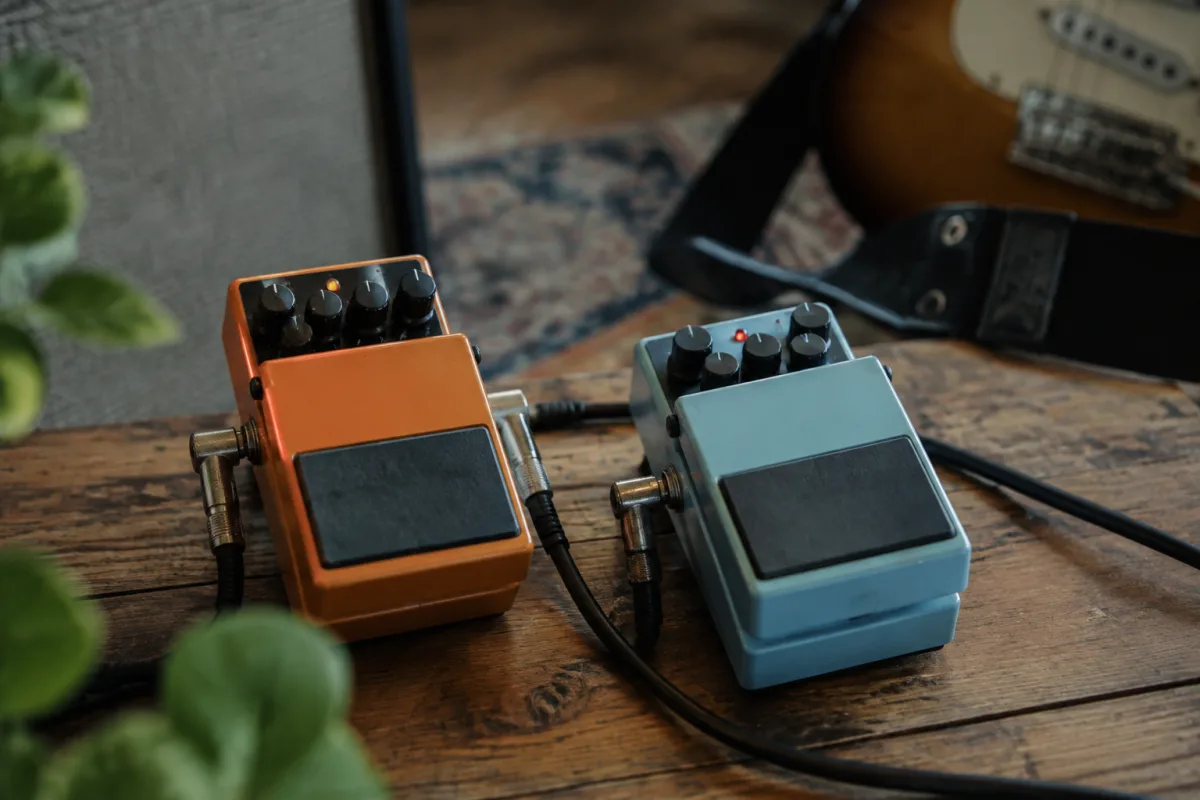
Behringer guitar effects pedals deliver surprising value at budget-friendly prices, making them attractive to beginners and experimenters who want to explore effects without major financial commitment. But buying Behringer pedals intelligently means understanding what you're compromising for lower cost, recognising which effects work reasonably well at budget pricing and which require premium alternatives, and avoiding the false economy of purchasing unreliable effects that fail during performance. This guide helps you evaluate Behringer pedals realistically, identifying genuine bargains and knowing when paying more for established brands is actually worthwhile.
Understanding Behringer's Budget Philosophy
Behringer's competitive pricing comes from streamlined manufacturing, simplified circuitry, and minimal frills—no expensive enclosures, no boutique components, minimal cosmetic refinement. This approach allows budget pricing without sacrificing functional capability; many Behringer pedals deliver satisfactory tone and reliable switching at a fraction of premium alternatives. However, build quality, durability, and tonal nuance are legitimately compromised. Behringer pedals typically feel less robust than professional-grade alternatives; switches are less responsive, enclosures are thinner, and electronics are more prone to failure over time. Understand that budget pricing reflects real cost-cutting, not just lower profit margins. Behringer pedals often serve as adequate learning tools or backup effects, but professional touring musicians rarely rely on them for critical tone-shaping or live performance. For bedroom practice, casual playing, and experimentation, Behringer represents genuine value; for touring or performance-critical applications, premium brands typically prove more reliable.
Behringer's Strongest and Weakest Categories
Behringer's distortion and overdrive pedals offer reasonable tone for the price, though lacking the warmth and character of premium alternatives. Their modulation effects (phaser, flanger, chorus) deliver functional processing without offensive artifacts, suitable for players wanting basic effect texture without tonal perfection. Delay and reverb pedals are surprisingly useable, offering tap tempo and decent parameter control. Where Behringer struggles is in wah pedals—budget construction often results in scratchy potentiometers and inconsistent sweeping. Tuner pedals work adequately despite budget construction. Compressor pedals lack the finesse of professional alternatives, often over-compressing dynamics or introducing unwanted noise. Noise gate pedals are unreliable and prone to false triggering. Understanding which categories Behringer handles competently and which demand premium alternatives helps guide purchasing. If budget is your constraint, prioritise effects where Behringer performs acceptably and invest in premium alternatives for critical tone-shaping requirements.
Build Quality and Durability Concerns
Inspect Behringer pedals physically before purchasing if possible. Press the footswitch repeatedly; quality alternatives feel responsive with consistent resistance, whilst Behringer switches often feel loose or develop dead spots quickly. Check the input and output jacks for tightness; loose jacks introduce intermittent signal loss. Examine the LED indicator—if dim or difficult to see, stage visibility problems are inevitable. Test knobs and potentiometers for smooth operation; scratchy, jumping resistance indicates failing components. The enclosure should feel solid without flex or rattle; excessive flex indicates structural weakness that worsens over time. These physical inspections reveal whether a specific Behringer pedal is acceptable or likely to fail. Some Behringer units are competent despite budget construction; others demonstrate obvious corner-cutting that predicts poor reliability. Secondhand Behringer pedals are particularly risky because previous owners' heavy use accelerates component wear; buying new ensures you're not inheriting cumulative wear and abuse.
Price Comparisons and Value Analysis
| Effect Type | Behringer Price | Mid-Range Alternative | Premium Alternative | Behringer Value Assessment |
|---|---|---|---|---|
| Distortion | £25–£40 | £70–£100 | £100–£150+ | Acceptable for learning; OK for performance |
| Overdrive | £30–£50 | £80–£120 | £120–£200+ | Decent tone; durability concerns for touring |
| Phaser | £35–£60 | £90–£140 | £150+ | Functional modulation; less tonal character |
| Delay | £40–£70 | £120–£200 | £250+ | Good value; tap tempo works well |
| Wah | £30–£50 | £100–£150 | £150+ | Poor value; scratchy sweep, unreliable |
| Tuner | £20–£35 | £50–£80 | £80+ | Adequate; less accurate than premium |
Common Behringer Purchasing Mistakes
The most frequent error is assuming Behringer's low price means excellent value across all effect types. This is false. Some Behringer pedals deliver functional processing suitable for learning; others are genuinely poor choices even at budget pricing. Don't build your entire pedalboard exclusively from Behringer—mixing budget pedals with quality alternatives for critical tone-shaping yields better results than budget-only approaches. Another common mistake is purchasing effects you don't need because the price is tempting. A £25 effect you'll never use isn't value; it's waste. Avoid purchasing Behringer pedals for applications demanding reliability—touring, professional recording, live performance where equipment failure is catastrophic. Don't overlook the secondhand market for quality pedals at competitive prices; sometimes premium alternatives can be purchased secondhand cheaper than Behringer new. Finally, avoid impulse purchases—research specific Behringer model reviews before buying, as even within Behringer's catalogue, some units receive significantly better feedback than others.
Behringer Pedalboards and Multi-Effects Alternatives
Behringer manufactures multi-effects units combining numerous effects in single pedalboards; these represent exceptional value for players wanting comprehensive effect access at minimal cost. However, multi-effect units demand significant learning curve and offer less flexibility than individual pedals for tone-shaping and live switching. If you're just beginning to explore effects, individual Behringer pedals allow you to focus on one effect type at a time, developing understanding without overwhelming complexity. Multi-effects units suit experienced players who know their needs and want convenience over flexibility. For most guitarists, starting with individual pedals then potentially upgrading to higher-quality alternatives is more cost-effective than multi-effects experimentation.
Warranty and Return Considerations
Behringer pedals typically include 1-2 year manufacturer warranty covering component defects, though coverage often requires proof of purchase and valid registration. However, warranty is less valuable when component failure is common and repair turnaround is slow. Many online retailers (especially non-specialist shops) offer 30-day returns on Behringer pedals, treating them as consumables rather than investments. Use return windows to test Behringer pedals thoroughly—if reliability concerns emerge, return rather than gamble on long-term performance. Additionally, some music shops offer price matching, allowing you to purchase premium pedals for competitive pricing rather than settling for Behringer uncertainty. Always inquire about price matching before assuming Behringer's budget pricing is your only low-cost option.
Realistic Long-Term Outlook
Behringer pedals average 2-3 years of functional life under moderate use before switch reliability declines or component failures emerge. Professional touring equipment lasting 10+ years is normal for quality brands; Behringer's lifespan is dramatically shorter. When calculating true cost of ownership, a £30 Behringer pedal that fails after 2 years costs £15 annually, whilst a £120 quality pedal lasting 10 years costs £12 annually—actually cheaper per year despite higher upfront cost. This perspective helps evaluate whether budget pricing is genuine value or false economy. For casual, recreational playing or experimentation, Behringer's shorter lifespan is acceptable; for commitment-level instrument investment, premium quality typically proves more economical over time.
For comprehensive information about different Behringer pedal models, specific reviews, and how they compare to alternatives across price tiers, explore the complete guide to Behringer guitar effects pedals. Buying Behringer pedals intelligently—understanding their strengths, limitations, and genuine value in specific contexts—means you'll use them productively rather than discovering they're inadequate for your actual needs after purchase.


Comments